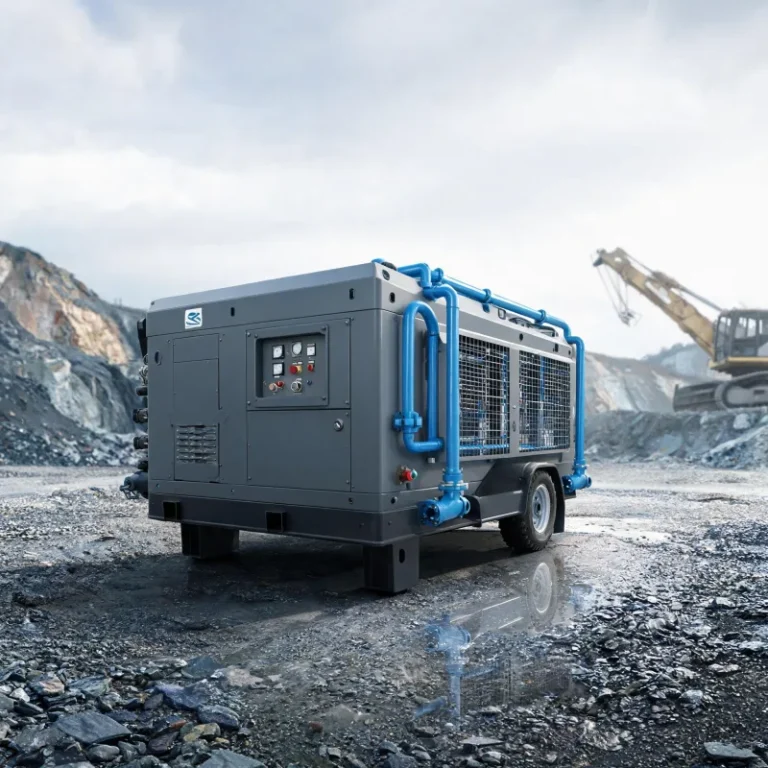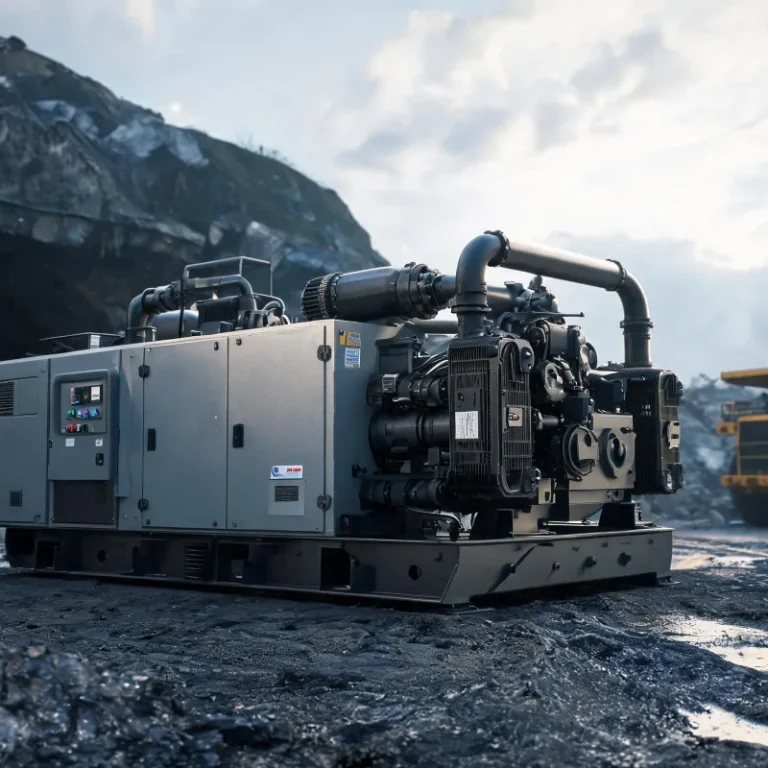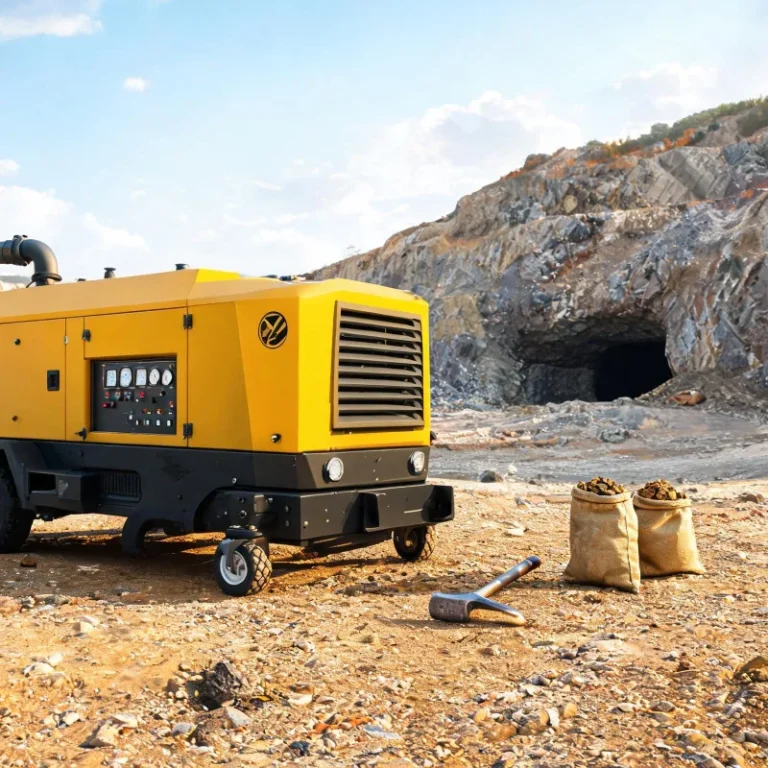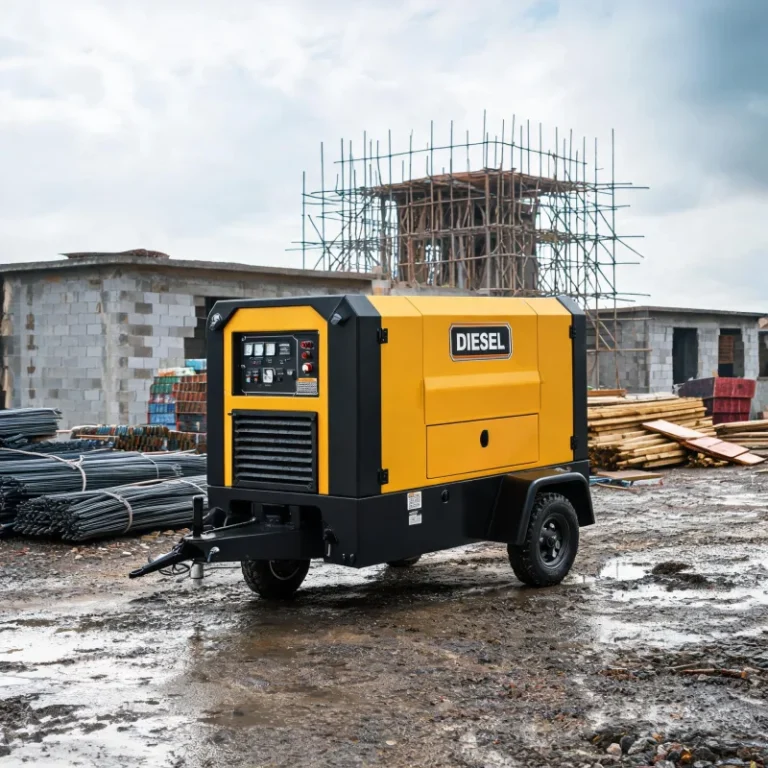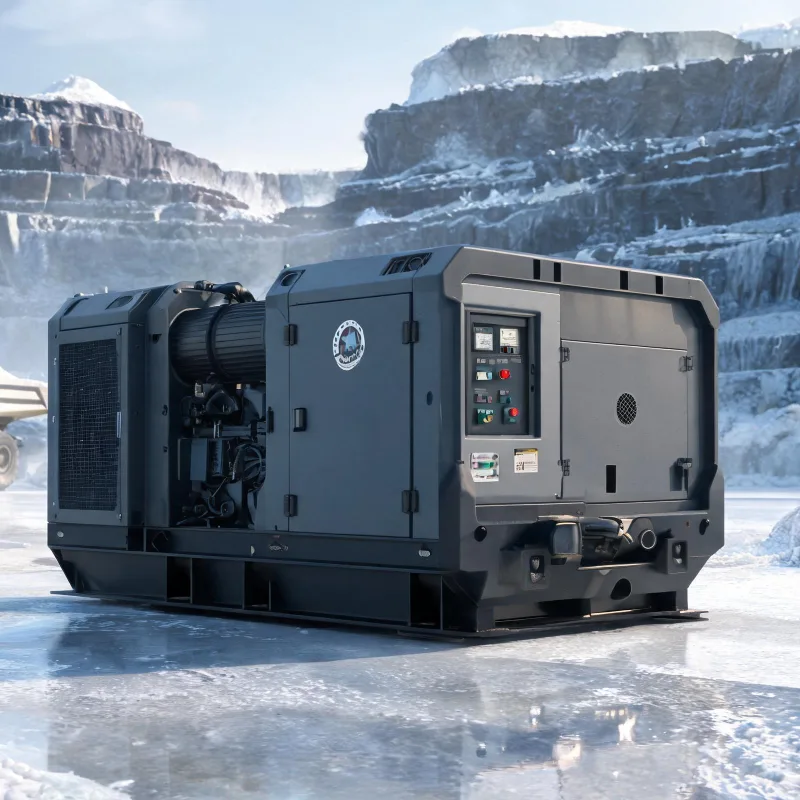
Anti-Corrosion Air Compressor Set for Salt Mineral Mining Operations
Anti-Corrosion Air Compressor Systems for Salt Mining
Key Takeaways
- 68% of unplanned salt mining compressor downtime comes from corrosion
- Purpose-built units cut 5-year maintenance costs by 42%
- Standard compressors have 3x shorter service life in salt mining
Related: corrosion resistant mining equipment · underground salt mining air compression · brine-resistant industrial compressors · mining equipment downtime reduction · salt mineral processing air systems · industrial air compressor maintenance · corrosion-proof mining utility equipment
- Corrosion damage causes 68% of unplanned air compressor downtime in underground salt mining (Statista 2023)
- Purpose-built anti-corrosion units cut 5-year total maintenance costs by 42% for salt operations (ICMM 2023)
- Off-the-shelf industrial compressors have a 3x shorter service life in salt mining than purpose-built units
- These units are not designed for high-temperature hard rock mining operations above 120°C
Purpose-built corrosion-resistant compression units deliver 2-3x longer service life than standard compressors for salt mining, with measurable lower total cost of ownership.
Core Pain Points of Salt Mining Air Compression
Salt deposits create two unique corrosion threats that standard compressors are not built to handle. Airborne sodium chloride particles infiltrate motor windings, cooling fins and valve assemblies, where they attract moisture and accelerate electrochemical corrosion. Brine splash from extraction and processing eats through uncoated carbon steel components in weeks.
I’ve inspected compressor units that failed after 18 months of service in central Kansas salt mines that were marketed as “corrosion-resistant” for general industrial use. They weren’t built for the salt environment, so the coating failed far earlier than expected.
Underground salt operations have 11 times higher airborne salt concentration than surface industrial sites, per US Geological Survey (USGS) 2024 data. This constant exposure means any gap in corrosion protection leads to rapid failure.
Third-Party Verified Performance Data
Statista 2023 data from global mining equipment failure surveys shows 68% of unplanned downtime in underground salt mining is tied to corrosion damage of utility equipment, including air compression systems. Unplanned downtime costs salt mining operations an average of $12,800 per hour, per the same report.
The International Council on Mining and Metals (ICMM) 2023 sustainability and operational efficiency report tracked 32 salt mining operations that switched from standard compressors to purpose-built corrosion-resistant units. The study found an average 42% reduction in total 5-year maintenance costs, and a 37% drop in unplanned downtime events related to air compression systems.
Global salt production hit 293 million metric tons in 2023, per USGS 2024, with 72% of production coming from underground mines that face the highest corrosion risk. As demand for road salt and industrial salt grows, operators are prioritizing equipment that reduces unplanned outages to meet output targets.
Common Missteps & Boundary Conditions
Most operators make the mistake of buying general industrial corrosion-resistant compressors instead of units purpose-built for salt mining. General units use thin epoxy coatings that cannot withstand constant salt particle abrasion and brine exposure.
This purpose-built corrosion-resistant compression set is not suitable for high-temperature hard rock mining operations with continuous operating temperatures above 120°C. The specialized salt-resistant epoxy coating softens at sustained high temperatures, losing its protective properties.
Another common misstep is skipping annual coating inspections to touch up scratches from routine maintenance. Even a 1cm scratch in the coating can lead to a 20cm corrosion spot within 12 months of exposure in an underground salt mine.
Actionable Selection Best Practices
Specify the Right Coating
Require fusion-bonded epoxy coating with a minimum 250 micron thickness for all wetted and exposed carbon steel components. This coating resists salt particle abrasion and blocks brine penetration far better than standard 150 micron industrial coatings.
Add Inline Air Filtration Upgrades
Add two-stage particulate filtration at the compressor intake to reduce the volume of salt particles entering the unit. This simple upgrade extends coating service life by an extra 2-4 years, based on field data from ICMM.
Require Corrosion-Resistant Internal Components
Specify 316 stainless steel for valve plates, fasteners and spring components, rather than standard carbon steel. The small upfront cost increase pays for itself in 18 months through reduced replacement costs.
Expert Insights
With 12 years of hands-on experience working with North American salt mining operations, purpose-built corrosion-resistant compression systems deliver clear long-term cost savings that far outweigh the small upfront price premium over standard industrial compressors. Operators that cut corners on procurement will end up paying far more in downtime and maintenance over the life of the equipment.
Further Reading
- Water Cooled Mining Air Compressor 24 Hour Continuous Running Solution
- Large Flow Two Stage Screw Compressor Whole Mine Air Supply Scheme
- Mobile Skid Mounted Air Compressor for Gold Mine Exploration Projects
- Dust Proof Industrial Air Compressor for Coal Mine Underground Workshops
- Low Temperature Resistant Air Compressor Solution for High Altitude Mining Sites
- Energy Saving VSD Mining Air Compressor System for Large Mineral Mines
- Heavy Duty Portable Mining Air Compressor for Rock Drilling Operations
- Explosion Proof Rotary Screw Compressor Open Pit Mining Power Solution
About the Author

Frequently Asked Questions
How much longer does a purpose-built anti-corrosion compressor last than a standard unit in salt mining?
Field data shows purpose-built units last 2-3 times longer than standard off-the-shelf industrial compressors in salt mining operations, with an average service life of 8-10 years vs 2-3 years for standard units.
What is the biggest cause of premature compressor failure in salt mining?
Corrosion from airborne salt particles and brine exposure accounts for 68% of all premature air compressor failures in underground salt mining operations, per 2023 Statista data.
Are general industrial "corrosion-resistant" compressors suitable for salt mining?
No. General corrosion-resistant compressors use thinner coatings not designed for constant high-concentration salt exposure, so they fail 3 times faster on average than purpose-built units.
When is this type of compressor set not the right choice?
This set is not suitable for high-temperature hard rock mining operations with sustained operating temperatures above 120°C, as the specialized epoxy coating will soften and fail.
How much cost can I save by switching to a purpose-built unit?
The International Council on Mining and Metals 2023 data shows an average 42% reduction in 5-year total maintenance costs, plus a 37% drop in costly unplanned downtime.
What coating specification should I require for a salt mining compressor set?
Specify a minimum 250 micron thick fusion-bonded epoxy coating for all exposed and wetted steel components to resist salt abrasion and brine corrosion.