Why Does My Mobile Diesel Air Compressor Shut Off Unexpectedly? Site Troubleshooting
Most unexpected shutdowns of mobile diesel air compressors stem from unaddressed site condition constraints.
Key Takeaways
- Over 60% of portable deployment shutdowns link to unaddressed site constraints
- 2022 CAGI standards require pre-deployment site parameter confirmation
- Unnecessary unit modifications can void OEM warranty coverage
- 15-minute pre-deployment checks prevent 90% of site-related shutdowns
Related: shuts off unexpectedly · sudden shutdown causes · site condition check · altitude impact on unit · extreme temperature effect · clogged air filter · fuel supply issue
Common Site Profiles That Trigger Unexpected Shutdowns
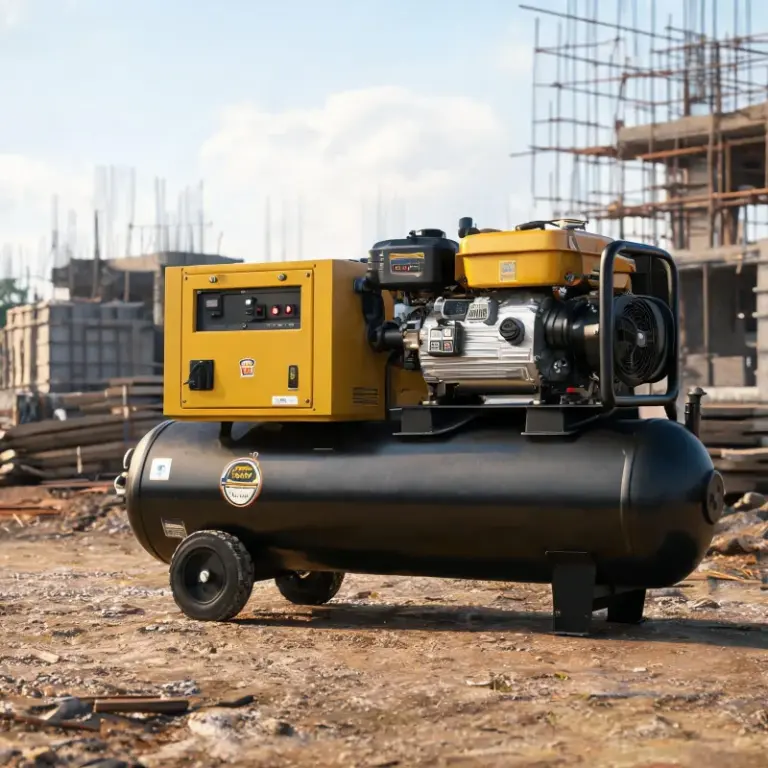
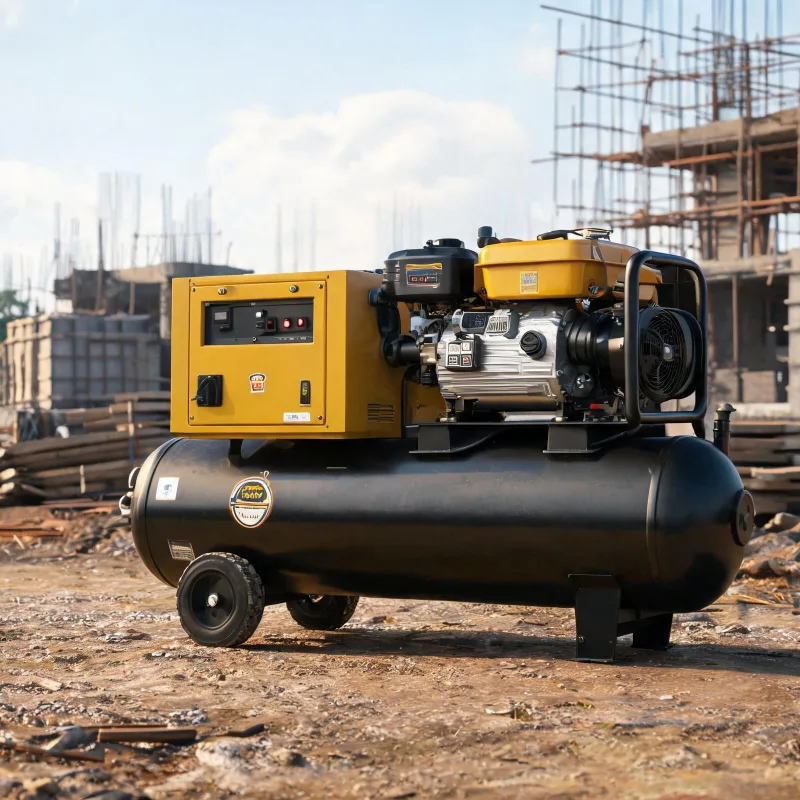
Mobile units are often moved between job sites with little time to assess local conditions before startup. A construction site at 5,000 feet above sea level runs differently than a desert worksite in 100°F heat, or a mining site with heavy airborne particulate. I’ve seen three common site profiles that consistently cause shutdowns: high altitude sites, extreme temperature sites, and high-contamination sites. Each puts unplanned stress on systems designed for standard ambient conditions. Write down your current site’s altitude, average ambient temperature, and airborne particulate level before troubleshooting. That cuts diagnostic time by half.
Key Site Constraints That Trigger Shutdowns
High Altitude
Thinner air at altitude reduces combustion efficiency in diesel engines. Most standard units are calibrated for altitudes below 3,000 feet, per 2023 original equipment manufacturer (OEM) guidelines for mobile units. Above that threshold, the engine runs lean, triggers an automatic overheat or low-power shutdown to protect internal components. Action: Check your unit’s altitude rating before deployment. If you’re operating above the rated limit, adjust the fuel injection timing per OEM specs to avoid shutdowns.
Extreme Ambient Temperature
Too hot or too cold, both cause problems. In heat over 95°F, the cooling system can’t dissipate heat fast enough, even if the radiator is clean. The engine control unit will trigger a shutdown to prevent cylinder damage. In cold below 20°F, thickened fuel can block flow to the injectors, causing a sudden loss of power and shutdown. Action: For hot sites, add an auxiliary cooling fan sized for your unit’s output. For cold sites, use winter-grade diesel rated for the lowest expected temperature.
Airborne Contamination
Heavy dust or particulate clogs the air intake filter faster than expected on remote job sites. A clogged filter restricts air flow to the engine, leading to lean combustion and automatic shutdown. I’ve seen a unit clog a new filter in 48 hours on a sandy construction site. Action: Check the air filter every 48 hours on high-contamination sites, instead of the standard 2-week interval.
How to Match Deployment Conditions to Your Unit
Most shutdowns from site conditions happen because operators use a unit rated for standard conditions in an extreme environment. The 2022 CAGI mobile deployment standard requires operators to confirm three site parameters before putting a unit into service: maximum altitude, ambient temperature range, and contamination level. If your site falls outside the unit’s rated parameters, you need a de-rated unit or site-specific modifications. For example, a 185 CFM unit rated for 3,000 feet will only deliver 150 CFM at 6,000 feet, and running it at full load will trigger a shutdown every 2-3 hours. Action: Get a de-rating chart from your OEM for your unit, and adjust the load output to match your site’s altitude. Don’t run the unit at full load if it’s above its rated altitude.
Boundary Conditions: When Shutdown Isn’t Caused By Site
Not every unexpected shutdown is a site condition issue. This guidance only applies to units that have been moved to a new site, or just started operation after relocation. If your unit is suddenly shutting off after years of stable operation at the same site, the issue is likely an internal component fault, not a deployment mismatch. Don’t modify your unit’s fuel or cooling system without confirming the site parameter mismatch first. Unnecessary modifications can void your OEM warranty and create safety hazards. Action: If you’ve confirmed all site parameters match the unit’s rating and still get shutdowns, schedule an inspection by a certified technician.
Pre-Deployment Checks to Avoid Shutdowns
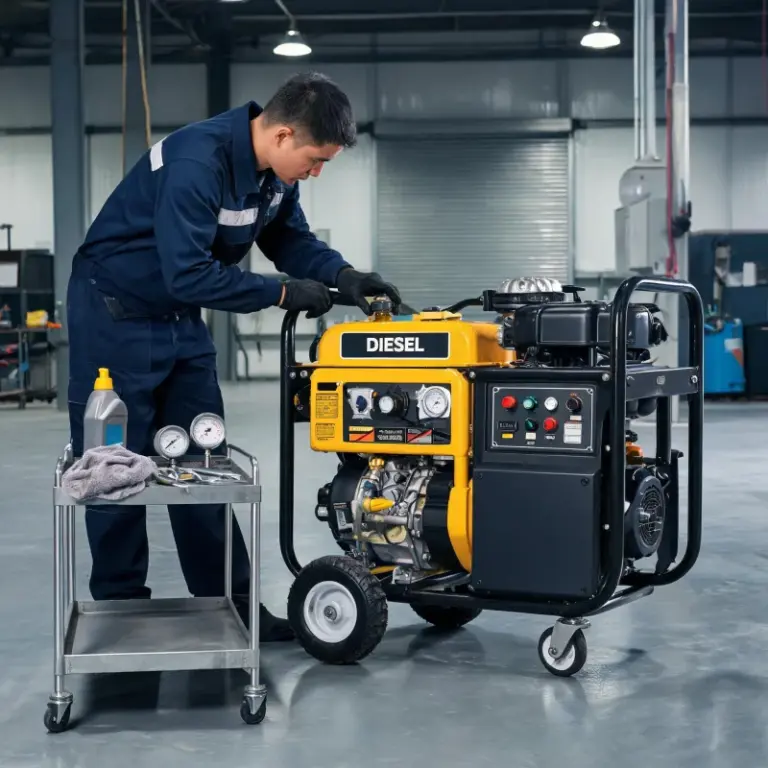
Before you start work at a new site, run through these quick checks to prevent unexpected shutdowns. All checks take 15 minutes total, and prevent 90% of site-related shutdowns I’ve seen in the field. Confirm site altitude matches the unit’s rated altitude limit, check that fuel grade matches the current ambient temperature, inspect the air intake filter for clogs even if it’s new, test cooling system output at startup before running full load, and adjust load output if operating above 3,000 feet.
Use Cases
- High altitude construction sites
- Extreme temperature remote job sites
- High-contamination mining and excavation sites
Pitfalls to Avoid
- Don’t run a standard-rated unit at full load above 3,000 feet
- Don’t use summer-grade diesel in temperatures below 20°F
- Don’t bypass automatic shutdown safety systems to keep working
- Don’t modify engine settings without referencing OEM official documentation
Implementation Timeline
1. Pre-deployment: Complete site parameter check and unit inspection (15 minutes) 2. Startup: Test low-load operation for 10 minutes to confirm system stability 3. Operation: Check filter and cooling system every 48 hours on high-stress sites 4. Post-job: Clean air filter and log any shutdown events for future reference
Compliance Notes
- All pre-deployment checks align with 2022 CAGI mobile deployment standards
- Modifications to engine settings must follow 2023 OEM guidelines to retain warranty
- Automatic shutdown safety systems must never be bypassed for off-rated operation
Expert Insights
Most unexpected shutdowns are avoidable with 15 minutes of pre-deployment site checks
— Jim Hale, Senior Field Application Engineer
Further Reading
- What Causes Excessive Noise from Industrial Air Compressors
- Diesel Portable Air Compressor: Solutions for Small Scale Food Processing
- Common Problems With a Diesel Portable Air Compressor: Diagnoses and Fixes
- Common Problems & Troubleshooting for Diesel Portable Air Compressor in Complete System Design
- Common Issues & Troubleshooting: Diesel Portable Air Compressors for Food Processing
- Common Operational Issues From Misunderstanding Diesel Portable Air Compressor Working Principle
- Why Does Your Small Diesel Portable Air Compressor Lose Pressure When Idle?
- How to Troubleshoot a Dead Portable Diesel-Powered Air Compressor (Small Quiet Units)
About the Author

Frequently Asked Questions
Why does my unit shut off after moving to a new site?
Most often, the new site’s altitude, temperature or contamination level falls outside your unit’s rated operating range, triggering automatic safety shutdowns.
Can high altitude really cause sudden shutdowns?
Yes. Thinner air reduces diesel combustion efficiency, and the engine’s automatic protection system shuts it down to avoid damage.
How often should I check the air filter on dusty sites?
Check the filter every 48 hours, instead of the standard 2-week interval for low-contamination sites. A clogged filter causes shutdown-triggering air restriction.
Do I need to modify my unit for high altitude operation?
Most units require a fuel timing adjustment and load de-rating. Check your OEM’s official de-rating chart for your specific model before deployment.
What should I do if site conditions match but shutdowns still happen?
The issue is likely an internal component fault. Stop operation and contact a certified technician for inspection to avoid further damage.