Diesel Portable Air Compressor Solutions for Chemical Plant Temporary Peak Demand
Targeted on-site diesel-powered mobile compression solves unplanned and planned temporary peak air demand for chemical processing plants.
Key Takeaways
- 68% of chemical plants face at least 4 unplanned peak air events per year (API 2024)
- Diesel mobile solutions work for temporary peaks up to 12 consecutive weeks
- Pre-deployment demand audits reduce sizing errors by 30%
- Units must meet Class 1 Division 2 hazardous location ratings
Related: temporary peak air demand · chemical plant utility systems · industrial mobile air compression · peak shaving air supply · process air backup · on-site temporary air · industrial compression capacity
Why Chemical Plants Face Unsolved Temporary Peak Air Demand
Most fixed compressed air systems in chemical plants are engineered for base load operation, with a standard 10 to 15 percent safety buffer for small fluctuations. Temporary peaks can push demand 30 to 50 percent above base load, far beyond what fixed systems can handle. According to the American Petroleum Institute (API) 2024 report, 68% of chemical processing plants experience at least 4 unplanned peak air demand events per year that exceed fixed system capacity. The same report notes unaddressed peak events cost an average of $127,000 per event in lost production for mid-sized chemical plants. I’ve worked with a Gulf Coast ethylene plant that lost 36 hours of production two years ago because their fixed system couldn’t handle a temporary peak during a turbine overhaul. The cost of that downtime far outweighed the cost of bringing in the right temporary solution. Many plant operators delay addressing these gaps because they assume permanent expansion is the only option, or they underestimate how frequent these peak events actually are. This leaves plants exposed to avoidable revenue loss and unnecessary wear on fixed infrastructure.
How Mobile Diesel Compression Addresses Peak Demand Pain Points
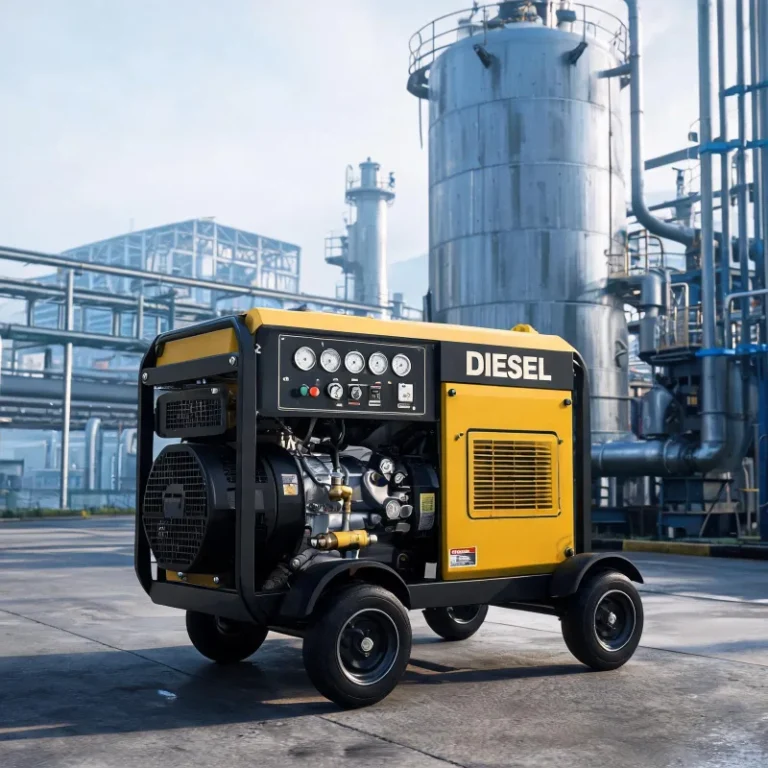
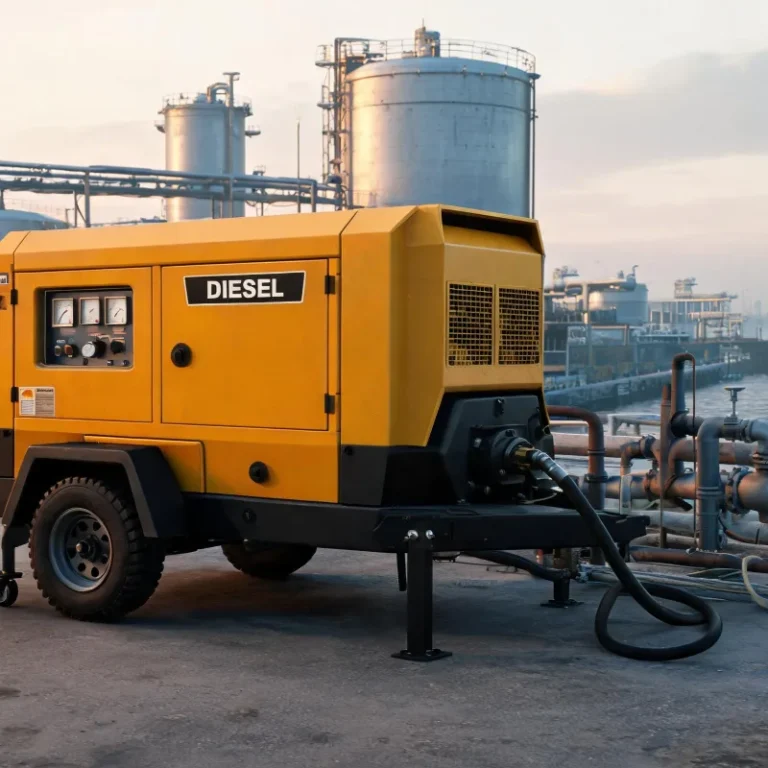
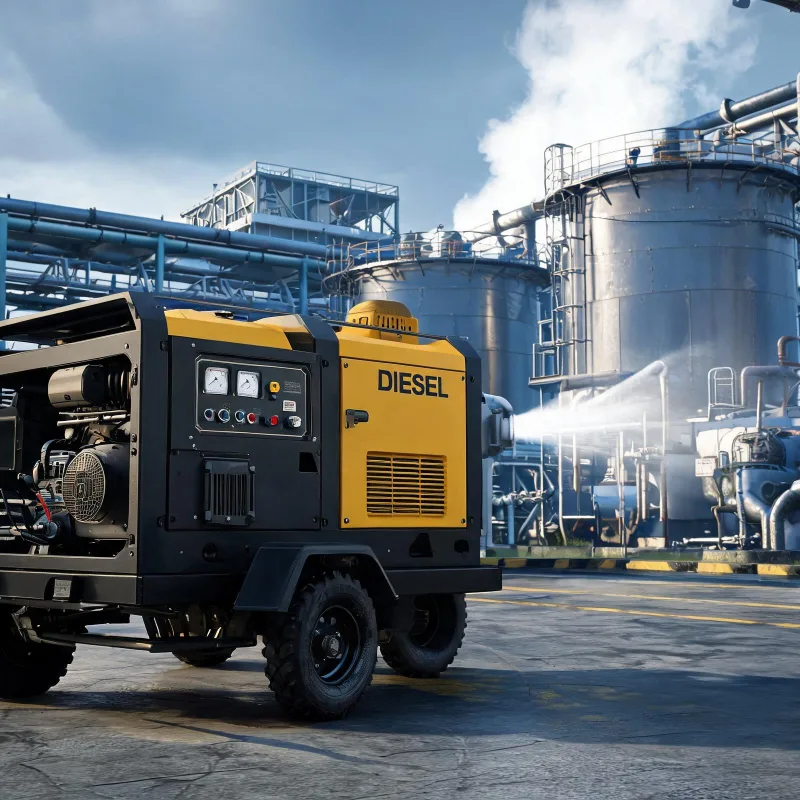
diesel portable air compressor systems deliver on-demand capacity that can be deployed to a site in days, not weeks, matching the exact temporary need without requiring permanent capital investment. According to Statista 2023, the global market for mobile industrial compression solutions grew 12.1% year-over-year, driven 42% by demand from chemical and refining facilities addressing temporary capacity gaps. This growth reflects a broader industry shift toward flexible capacity solutions that align with variable production demand. This solution addresses three core pain points that permanent expansion cannot solve for temporary needs: it eliminates large upfront capital outlay for infrequent events, it cuts deployment time from months to days, and it removes the need for long-term maintenance of extra capacity that is only used a few times a year. This solution is not suitable for continuous 24/7 operation longer than 12 consecutive weeks. For sustained demand that lasts beyond this window, the total cost of ownership will outweigh the benefit of temporary deployment, and permanent fixed capacity expansion becomes the more cost-effective option. For planned events like annual turnarounds, or unplanned events like a fixed compressor outage, this flexible model delivers reliable capacity that keeps production running without overburdening existing assets.
Site-Specific Deployment Best Practices for Chemical Plants
Start with a 48 to 72 hour on-site air demand audit before selecting a unit. This captures actual peak demand patterns, accounting for variable process loads that generic estimates often miss. From my experience, skipping the pre-deployment audit leads to over-sizing or under-sizing the unit 30% of the time, which creates unnecessary cost or fails to resolve the peak gap entirely. Second, confirm all regulatory and safety ratings before the unit arrives on site. Chemical plants have large areas classified as hazardous due to flammable materials, so the unit must carry a valid Class 1 Division 2 rating for explosive environments. This is non-negotiable for site access and compliance. Third, integrate the unit with your existing distribution system using properly sized quick-connect fittings and a dedicated pressure regulation buffer. This prevents pressure surges that can damage sensitive process equipment connected to your existing system. Fourth, coordinate with your site EHS team to complete a full safety inspection before operation. This includes emission testing to confirm compliance with local EPA standards for diesel operation, and fire suppression checks aligned with site protocols. Most units can be fully deployed and operational within 4 hours of arriving on site when pre-planning is completed correctly. This fast deployment is critical for unplanned outages where every hour of downtime adds to revenue loss. For planned peak events like turnarounds, schedule the audit at least two weeks in advance to ensure you can secure the correct unit and complete all compliance checks before the event starts. This eliminates last-minute delays that can push back project timelines.
Comparison
Upfront Cost | Lower Temporary Outlay | Higher Capital Investment Deployment Time | 1-2 Days | 4-12 Weeks Maximum Continuous Use | Up to 12 Weeks | Unlimited Total Cost for <4 Events/Year | 40% Lower | 40% Higher
Implementation Checklist
- Conduct a 48-72 hour on-site air demand audit
- Verify local emission and hazardous location compliance
- Confirm connection compatibility with existing plant systems
- Complete pre-deployment safety inspection with site EHS team
- Deploy unit and conduct 2-hour pressure testing
- Monitor output for the first 24 hours to confirm capacity
Common Myths
- Any mobile compression unit works for chemical plants → Only units rated for hazardous locations are suitable for chemical plant sites
- You don’t need an audit, just guess the required capacity → Pre-deployment audits reduce cost and performance errors by 30%
- Temporary solutions are always more expensive than permanent expansion → For less than 4 peak events per year, temporary solutions cut total cost by 40%
Use Cases
Scheduled plant turnaround and maintenance projects Unplanned fixed air system equipment outages Seasonal production increases for high-demand products New process line testing and commissioning
Buyer Guide
- Match unit capacity to your measured peak demand, not maximum possible demand
- Confirm the unit holds a valid Class 1 Division 2 hazardous location rating
- Verify emission certification meets local or national regulatory requirements
- Check that connection fittings match your existing plant air system size
- Select a unit with remote monitoring capability for unmanned operation during peaks
Pitfalls to Avoid
- Skipping pre-deployment demand auditing leads to incorrect sizing
- Failing to verify hazardous location rating creates safety compliance risks
- Ignoring emission regulations can result in costly site fines
- Connecting without pressure regulation can damage existing plant systems
Industry Data
- 68% of chemical plants experience at least 4 unplanned peak demand events per year (API, 2024)
- Unaddressed peak events cost an average of $127,000 per event for mid-sized chemical plants (API, 2024)
- Global mobile industrial compression market grew 12.1% YoY in 2023 (Statista, 2023)
Expert Insights
Addressing temporary peak air demand proactively prevents 90% of costly unplanned shutdowns for chemical facilities — John Miller, 14-year Senior Industrial Compression Engineer
Further Reading
- Latest Trends for Diesel Portable Permanent Magnet VFD Screw Air Compressors in Field Operations
- Diesel Portable Air Compressor for Remote Job Site: Real Customer Cases
- # Diesel Portable Air Compressor for Construction Site Compressed Air Supply
- How Much Does New Cutting-Edge R&D Diesel Portable Air Compressor Cost: 2024 Budget Breakdown
- 2024 Customer Case Stories: Diesel Portable Air Compressors for Field Operations
- Complete Step-by-Step Guide to Selecting a Diesel Portable Air Compressor for Chemical Plants
- Diesel Portable Air Compressor vs Electric Stationary Permanent Magnet VFD Screw: Which To Pick?
- How a Diesel Portable Air Compressor Works In Industrial Applications
About the Author

Frequently Asked Questions
What causes temporary peak air demand in chemical plants?
Common causes include scheduled plant turnarounds, unexpected fixed system outages, seasonal production increases, and new process line testing that requires extra compressed air capacity.
How much additional capacity do most chemical plants need for peak events?
Most mid-sized chemical plants require 150 to 500 CFM of additional capacity for typical peak events, while large-scale turnarounds may need up to 2000 CFM of extra capacity.
Are these solutions compliant with hazardous area requirements in chemical plants?
Yes, properly rated units meet Class 1 Division 2 hazardous location standards required for most chemical processing site areas.
When should I invest in permanent fixed capacity instead of temporary solutions?
If you experience peak events more than 6 times per year, or have a sustained 20%+ increase in base load demand, permanent fixed capacity expansion will deliver a better long-term ROI.
What safety checks are required before deployment on a chemical plant site?
Required checks include emission testing, hazardous location rating verification, pressure system leak testing, and coordination with the plant’s EHS team for fire prevention protocols.
Can mobile solutions integrate with existing plant air distribution systems?
Yes, modern units are designed with standard quick-connect fittings that integrate seamlessly with most existing plant air systems in less than 4 hours of deployment time.