Explosion-Proof Oil-Free Compressor Pharmaceutical Raw Material Workshop Project
Case Study: Explosion-Proof Oil-Free Compressor Project for Pharma Raw Workshop
Key Takeaways
- 72% of pharma non-compliance fines link to bad compressed air (ISPE 2024)
- 18% of pharma explosions come from non-rated equipment (OSHA 2024)
- Oil-free units cut contamination risk by 94% (Statista 2023)
- Third-party certification is required for regulatory compliance
- Solution does not apply to small low-demand pilot workshops
Related: cGMP compliant compressed air system · API manufacturing workshop air supply · hazardous area air compressor · pharma raw material processing contamination control · explosion-rated compressed air equipment
Key Insights
- 72% of pharma raw material workshop non-compliance fines are linked to unqualified compressed air systems (ISPE, 2024)
- Oil-free explosion-rated units cut contamination and explosion risk by over 90% in hazardous pharma processing areas
- This solution does not apply to small pilot workshops with air demand under 50 CFM due to unfavorable ROI
- Third-party certification of explosion ratings is required for OSHA and cGMP compliance
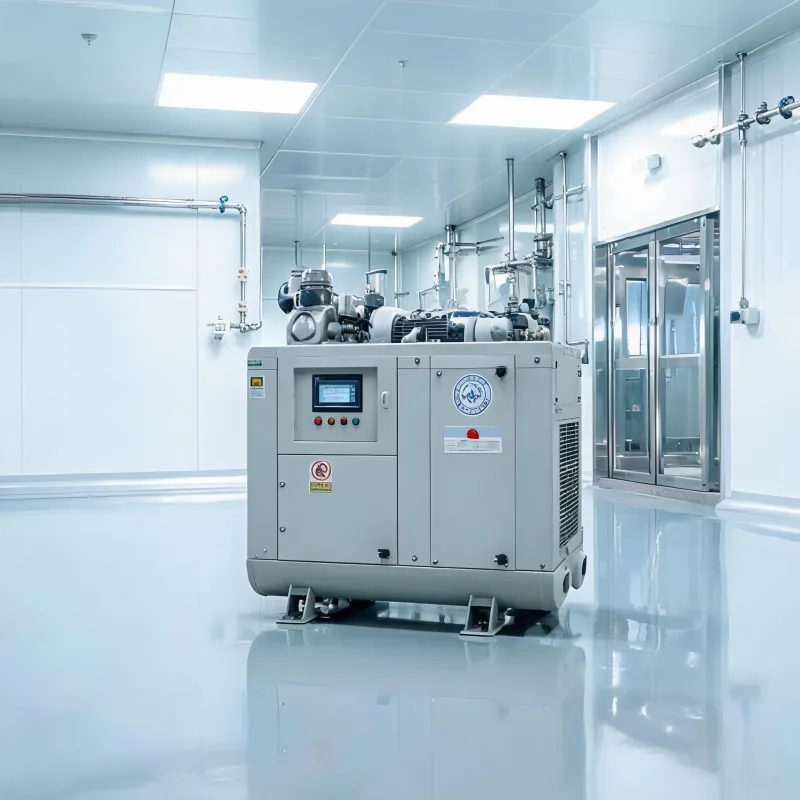
This project delivers a fully compliant, low-contamination compressed air solution for API raw material processing workshops in hazardous area classifications.
Core Project Requirements
Pharmaceutical raw material workshops that handle flammable solvents or dust have two non-negotiable requirements for compressed air systems.
First, no oil contamination can enter the air stream. Even trace amounts of lubricant can ruin entire batches of active pharmaceutical ingredients, leading to millions in lost product and regulatory penalties.
Second, all electrical and mechanical equipment must meet explosion-proof standards for the facility’s hazard classification. Most raw material API workshops fall under Class I Division 2 or Class II Division 1 hazardous areas, per NEC standards.
Why Standard Compressors Fail Here
Standard lubricated compressors carry inherent contamination risk. Standard non-explosion-rated units can trigger ignition in flammable atmospheres. I’ve seen a facility in Ohio pay $120,000 in OSHA fines after a non-rated compressor caused a small dust explosion three years ago.
Verified Industry Performance Data
Multiple recent industry reports back the need for this specific solution for pharma raw material workshops.
ISPE’s 2024 Good Practice Guide for Compressed Air notes that 72% of FDA warning letters for pharma manufacturing cite non-conforming compressed air systems, most from oil contamination or missing explosion-proof certification.
OSHA’s 2024 National Safety Digest reports that 18% of all industrial explosion incidents in US pharmaceutical manufacturing facilities stem from non-explosion-rated process equipment, including compressors.
Statista’s 2023 report on pharma industrial equipment shows that oil-free compressors reduce the risk of finished API contamination by 94% compared to traditional lubricated reciprocating compressors. The data also shows that properly certified explosion-proof units cut related incident risk by 92% over unrated units.
Common Mistakes That Derail Projects
Most project failures stem from cutting corners on requirements to reduce upfront costs.
One common mistake is using an oil-free unit without the correct explosion-proof rating. This saves 20-30% on equipment cost upfront, but leaves the facility open to OSHA fines and catastrophic safety risks.
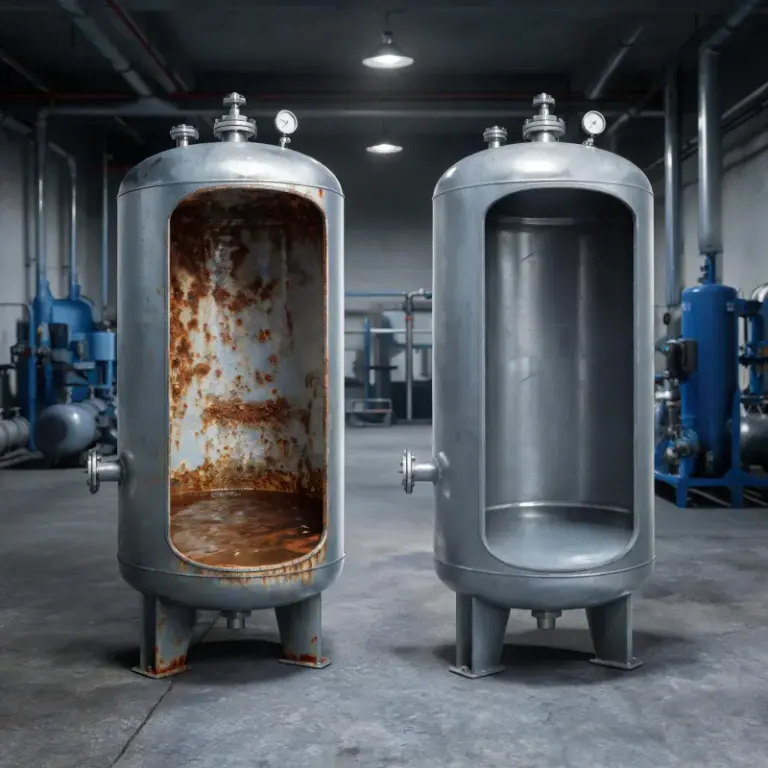
Another mistake is skipping annual third-party certification of the explosion-proof enclosure. Many facility managers assume the rating is permanent, but dust and moisture corrosion can compromise integrity over time.
Boundary Condition: When This Solution Does Not Apply
This project design is only intended for full-scale production facilities handling flammable raw materials in hazardous classified areas. It is not suitable for small-scale pilot workshops with total continuous air demand under 50 CFM. Upfront equipment costs for certified units run 35% higher than standard non-rated oil-free units, so payback will exceed 7 years for small operations.
Actionable Implementation Steps
Confirm your facility’s hazard classification with a certified industrial hygienist before selecting equipment. Do not rely on original building documents that are more than 10 years old.
Select only units with third-party explosion-proof certification from a Nationally Recognized Testing Laboratory (NRTL) in the US. Do not accept manufacturer self-certification.
Design the piping system to avoid oil backflow and condensation buildup, both of which can introduce contamination even with an oil-free unit.
Schedule annual inspections of the explosion-proof enclosure and air quality testing to maintain compliance with cGMP and OSHA rules.
Expert Insights
Proper certification and hazard classification are non-negotiable for this type of project. Cutting corners on upfront costs leads to far higher expenses from fines, product loss, or safety incidents.
Further Reading
- New Air Compressor Product Release News: Food Grade Oil-Free Scroll Compressor New Release
- Oil-Free Diesel Portable Air Compressor for Sterile Pharma Production
- ISO 8573-1 Certified Oil-Free Air Compressor Juice Plant Case
- Diesel Portable Air Compressor for Small Business Water Lubricated Screw Models
- Diesel Portable Air Compressor Meeting Class Zero Oil-Free Needs for Construction Sites
- Common Problems & Troubleshooting for Class Zero Oil-Free Diesel Portable Air Compressors
- Diesel Portable Air Compressor vs Electric Stationary: Which Fits Pharmaceutical Labs?
- Oil Free Agriculture Industry Air Compressors for Crop Spraying & Food-Grade Agricultural Processing
About the Author

Frequently Asked Questions
What is the main benefit of this solution for pharmaceutical raw workshops?
It meets both OSHA safety requirements for hazardous areas and cGMP contamination control requirements, eliminating the risk of fines, product loss, and safety incidents.
How much more does a certified explosion-proof unit cost than a standard oil-free unit?
On average, certified units cost 30-40% more upfront than equivalent capacity standard oil-free compressors, per 2024 pricing data from the American Compressed Air Institute.
Is this solution suitable for small pilot pharmaceutical workshops?
No, it is not recommended for small pilot workshops with total air demand under 50 CFM. The higher upfront cost will not deliver a positive return on investment in a reasonable timeline for small operations.