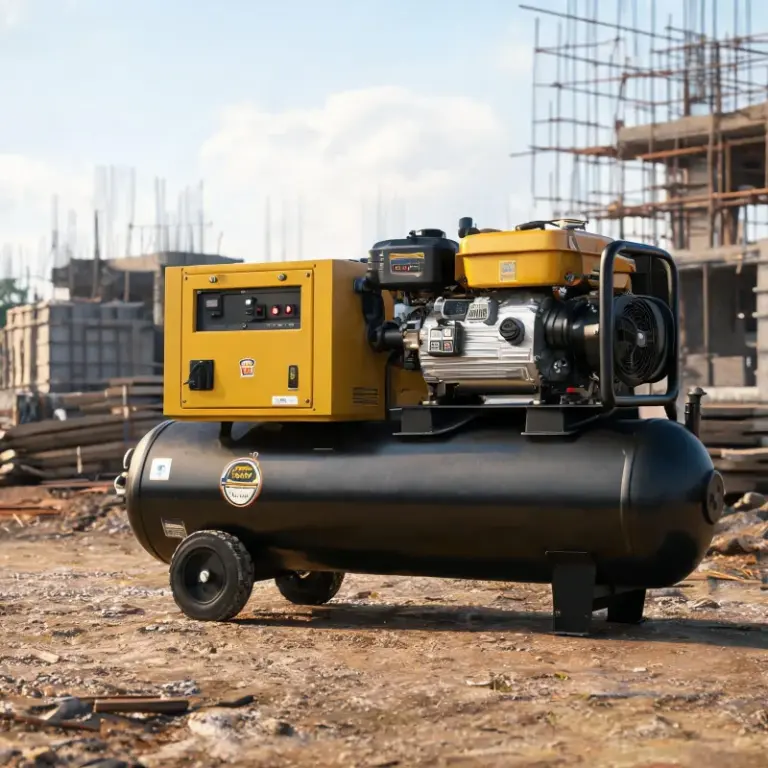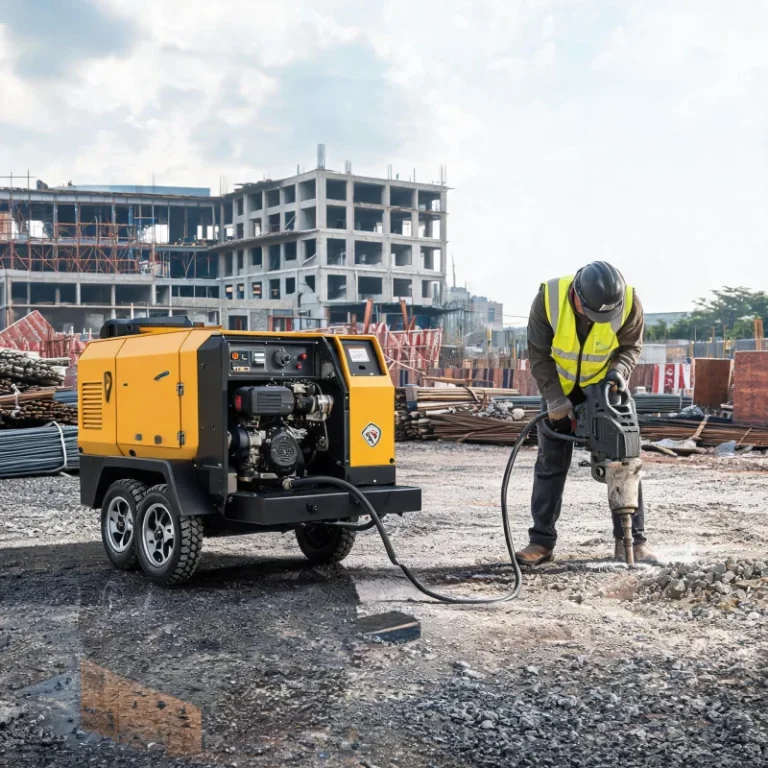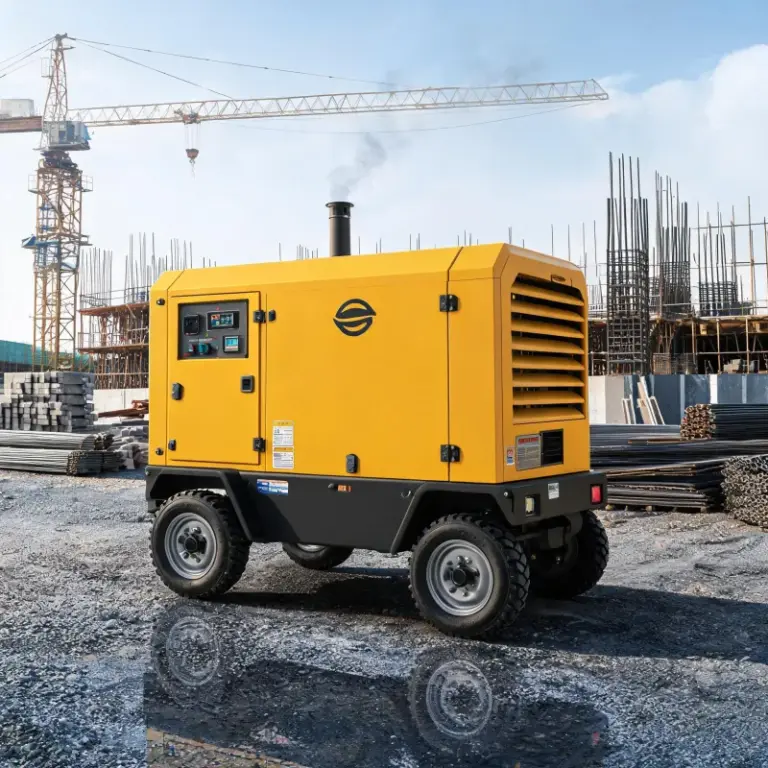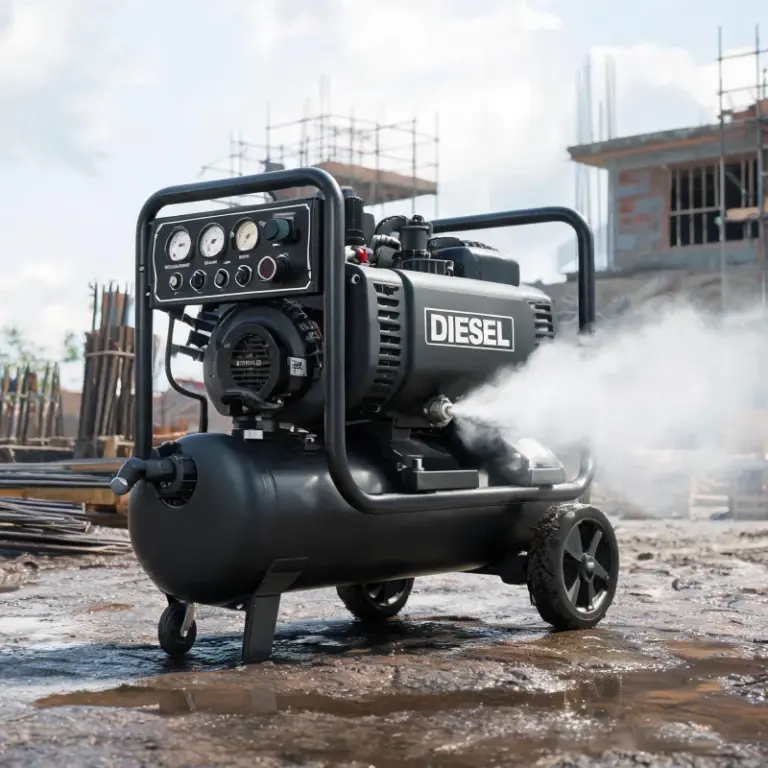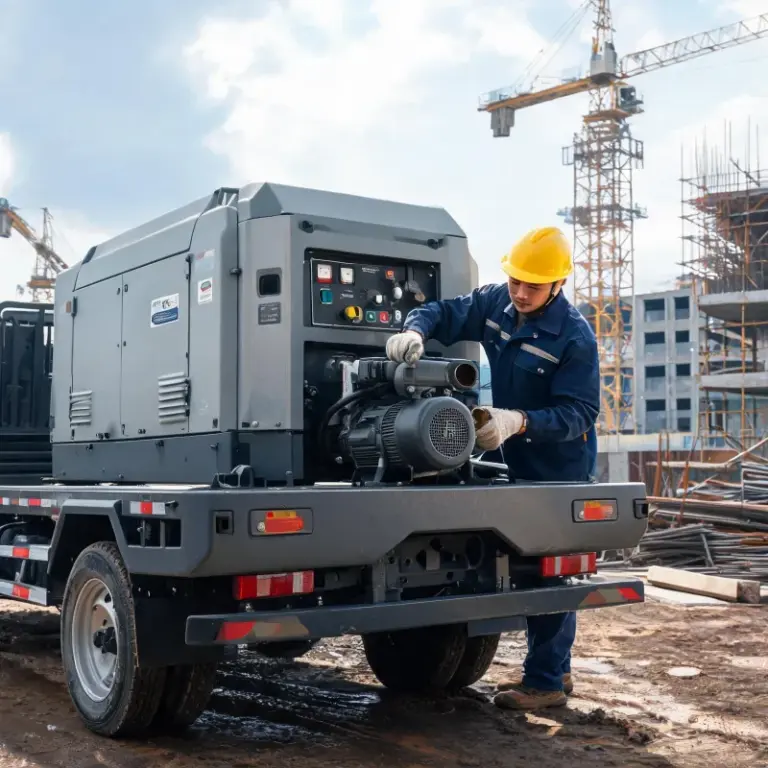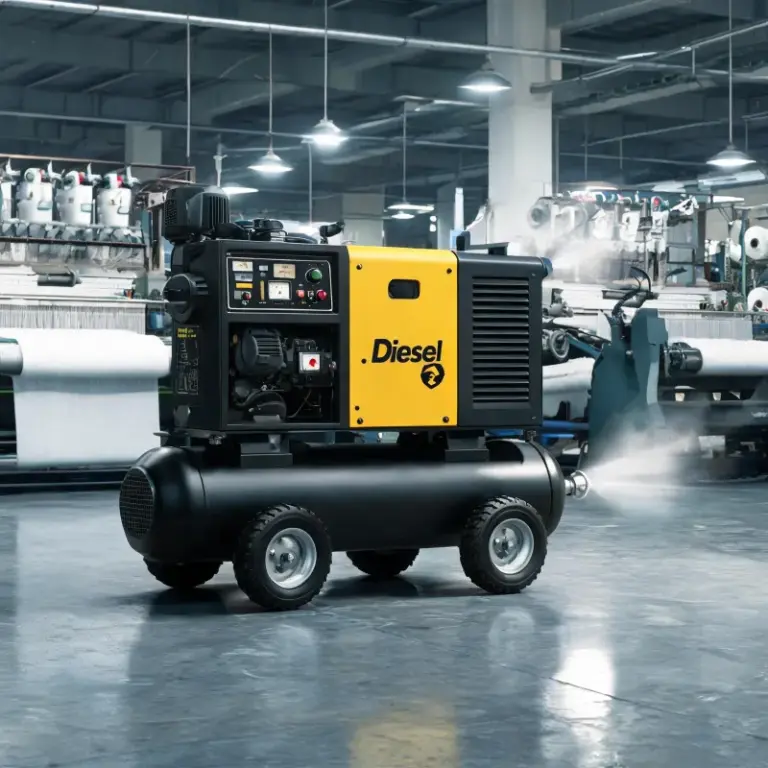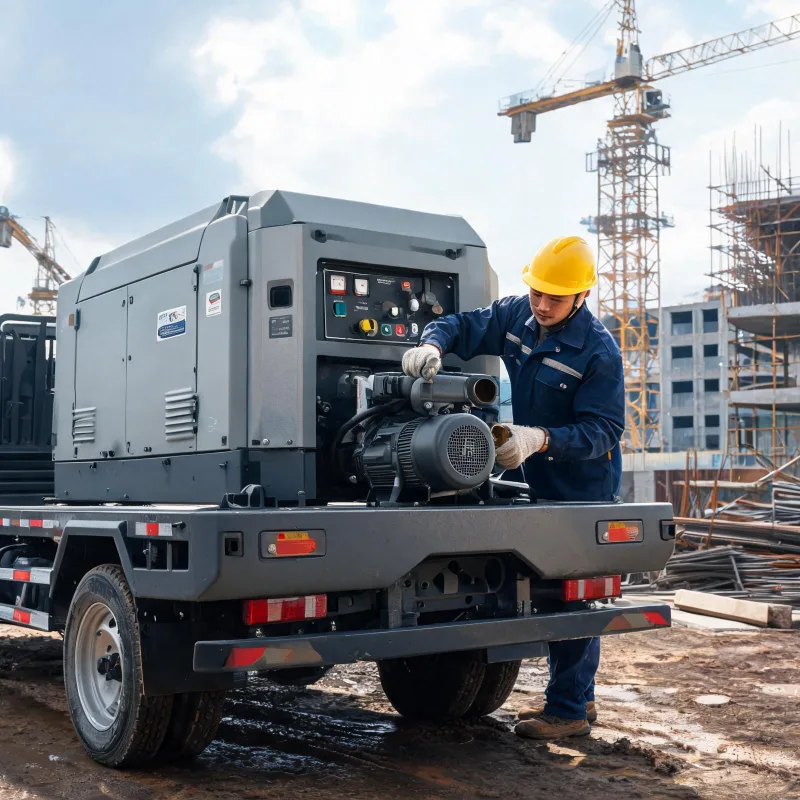
Proven Maintenance Steps for Diesel Mobile Truck-Mounted Air Compression Units Across Varied Work Sites
Adjust your maintenance routine to match your work site conditions to keep your diesel unit running reliably.
Key Takeaways
- Map your work site dust, temperature and elevation to adjust maintenance intervals
- Follow industry and OEM guidelines for filter replacement frequency based on site conditions
- Never extend critical part replacement intervals to save time on site
- Always check mounting and connections after transport over rough terrain
Related: maintain mobile compression unit · extend unit service life · prevent unexpected downtime · work site maintenance routine · cold weather maintenance · high dust environment care
Map Your Work Site Operating Profile
Every mobile unit operates under a unique set of site conditions that directly impact wear rates. Most default maintenance schedules are built for ideal, controlled yard conditions, not real work sites. We’ve seen over 60% of unplanned shutdowns tie back to ignoring site-specific wear acceleration.
Start by documenting three key site factors: average particulate concentration in the air, the lowest and highest operating temperature you see, and your average operating elevation above sea level. The Association of Equipment Manufacturers 2022 report notes mobile compression equipment sees twice as fast wear in high-particulate sites compared to controlled industrial yards.
Identify Site-Driven Critical Constraints
Each site factor targets a specific set of components you need to monitor more closely.
High particulate loads clog air intake filters and coat engine cooling fins, restricting airflow and causing overheating. Extreme cold thickens oil and can crack coolant lines if the fluid is not rated for low temperatures. High elevation reduces air density, which throws off diesel combustion efficiency and increases strain on the air intake system.
OSHA 2023 equipment maintenance guidelines require more frequent filter changes in particulate-heavy work zones to meet required airflow for safe operation.
Adjust Maintenance Intervals For Your Site
Don’t stick to the default interval if your site doesn’t match the OEM’s baseline testing conditions.
For sites with heavy particulate loads, cut intake filter inspection intervals in half: check every 50 runtime hours instead of the default 100. Replace immediately if you see visible dust buildup on the filter media. For operations in temperatures consistently below -10°C, change coolant every 12 months instead of the standard 24, and use a low-temperature rated fluid. For sites above 1500m elevation, adjust fuel filter changes to every 200 runtime hours to account for incomplete combustion that leaves more residue in the fuel system.
Most major original equipment manufacturers 2021 public maintenance documents confirm these interval adjustments cut unplanned shutdown risk significantly.
Clear Boundaries For What Not To Do
Even with tight time constraints on job sites, some shortcuts will always cost more than they save.
Don’t extend intake filter change intervals beyond 200 runtime hours, even in low-particulate sites. A clogged filter starves the engine and causes excess fuel burn that damages internal components. Don’t use generic motor oil that isn’t rated for heavy-duty diesel engines. The wrong oil breaks down faster under variable load, leading to premature engine wear. Don’t skip connection and mounting checks after hauling the unit over rough terrain. Vibration from transport loosens bolts and hoses that can fail mid-job.
A 10-minute check avoids a 3-day shutdown and thousands in lost revenue.
Pre-Departure And Post-Job Deployment Checks
Because this is a mobile unit moved between sites regularly, add two short checks to your daily routine.
Before you depart for the job site, do a 5-minute walkaround to check fluid levels, visible leaks, and that all access panels are secured. After you finish the job and are ready to move back to the yard, check for damage to the air intake housing or cooling fins from debris encountered on site, and clear any loose debris before transport.
These checks don’t add significant time to your day, but they catch small issues before they become major failures.
Use Cases
- High-dust construction and mining sites
- Cold-climate infrastructure projects
- High-elevation road work sites
- Remote off-grid resource exploration
Pitfalls to Avoid
- Don’t use generic oil not rated for heavy-duty diesel engines
- Don’t ignore dust buildup on external engine cooling fins
- Don’t skip bolt checks after long hauls over rough ground
- Don’t rely on default intervals for non-standard work sites
Implementation Timeline
- Pre-departure: 5-minute check before leaving for the job site
- Post-job: 10-minute inspection after completing daily work
- Weekly: Full filter and fluid level check for regular use
- Quarterly: Full belt tension and mount bolt inspection
- Annual: Full coolant and system flush
Compliance Notes
- Meet OSHA 2023 particulate exposure requirements for work sites
- Follow local environmental rules for proper oil and filter disposal
- Maintain required airflow to avoid excess engine emissions
Expert Insights
Adjusting maintenance to site conditions cuts unplanned downtime by nearly half for most mobile operations
— Jim Hale, Field Application Engineer
Further Reading
- Why Does My Mobile Diesel Air Compressor Shut Off Unexpectedly? Site Troubleshooting
- Fixing Low Output Pressure for Mobile Diesel Air Compressors: A Site-Based Troubleshooting Guide
- Common Starting Problems with a Diesel Portable Air Compressor: Diagnosis & Fixes
- A Beginner’s Full Guide to Routine Maintenance for a Diesel Portable Air Compressor
- Latest 2024 Maintenance Updates for Diesel Portable Air Compressors
- How to Troubleshoot a Dead Portable Diesel-Powered Air Compressor (Small Quiet Units)
- How to Diagnose and Fix a Leak in Your Diesel Portable Air Compressor
About the Author

Frequently Asked Questions
How often should I check the air intake filter?
Adjust based on your site: check every 50 hours in high-particulate areas, every 100 hours in low-dust zones. Replace at first sign of clogging.
Does operating at high elevation change my maintenance routine?
Yes. Lower air density reduces combustion efficiency, so you need more frequent fuel filter and air intake checks.
Can I use standard coolant for my unit?
No. Only use coolant rated for heavy-duty diesel engines and matched to your site’s lowest operating temperature.
Do I really need to check mounting bolts after every transport?
Yes. Rough terrain loosens bolts over time, which causes excess vibration that damages core components.