Latest Industry Trends: Diesel Portable Air Compressor Use in Pharmaceutical Manufacturing
2024 trends for mobile diesel-powered oil-free compressed air focus on GMP compliance, off-grid capability and emissions cuts for pharma operations.
Key Takeaways
- 72% of new temporary pharma facilities require GMP-compliant mobile air supply (ISPE 2024)
- New EPA Tier 4 Final standards eliminate most emissions concerns for on-site use
- Decentralized clinical trial growth drives 8.2% annual demand growth for these systems
- These systems are not suitable for permanent full-scale pharma production
Related: latest pharma manufacturing trends · portable compressed air for pharmaceutical · oil-free air compression · pharmaceutical process air supply · off-grid pharma production · temporary pharma facility air · diesel powered air compression · GMP compliant compressed air
Latest Industry Trends: Diesel Portable Air Compressor Use in Pharmaceutical Manufacturing
The 2024 market for this equipment is being reshaped by three clear, data-backed shifts focused on pharma-specific compliance and flexibility.
GMP-Aligned Oil-Free Design for Temporary Pharma Sites
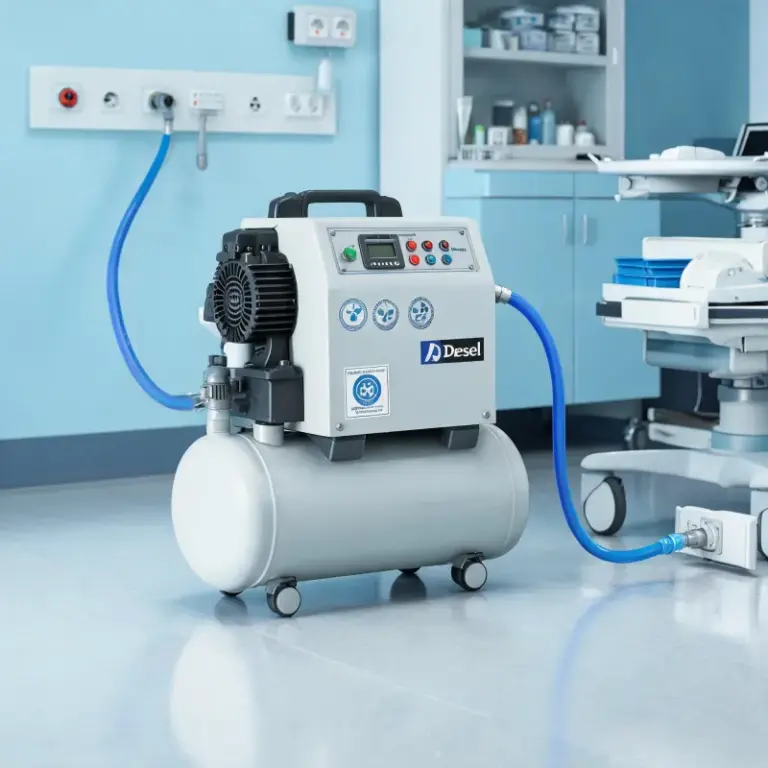
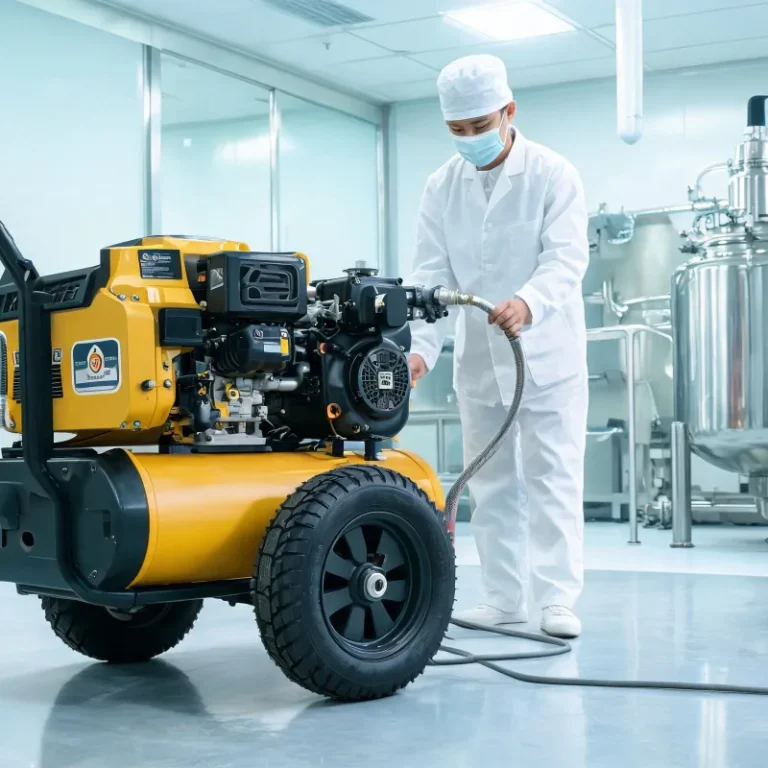
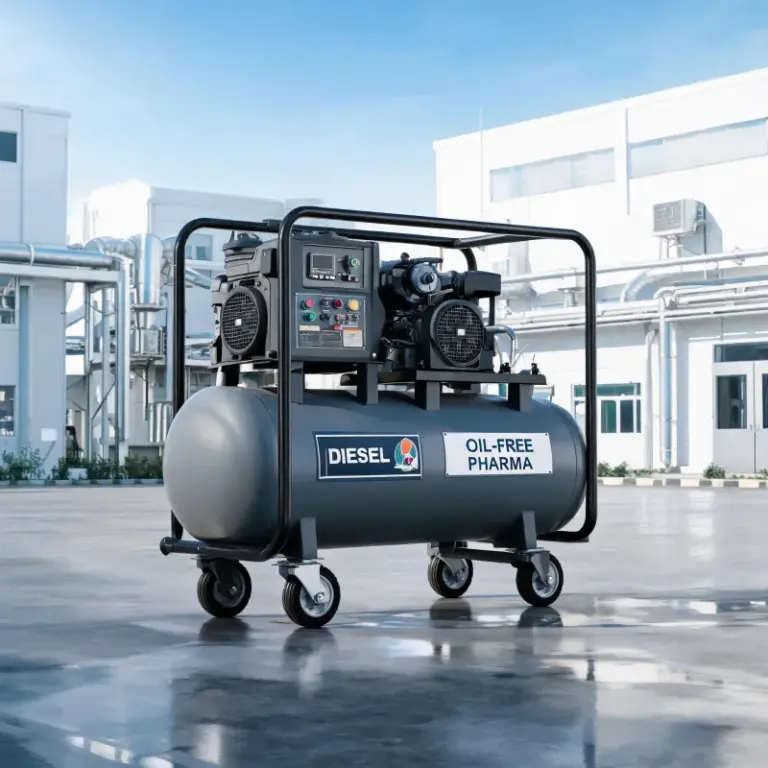
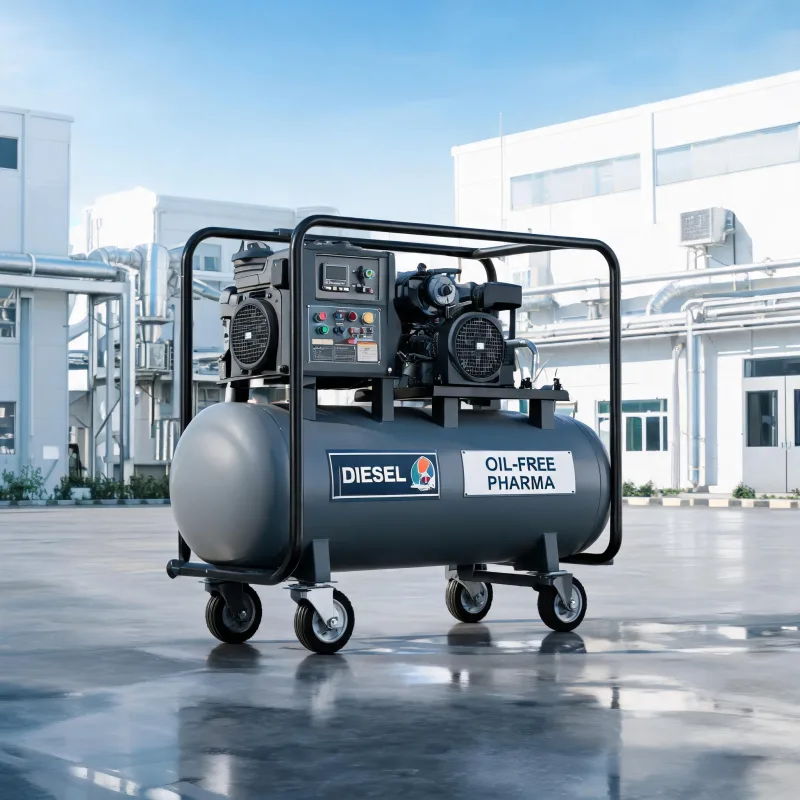
Temporary and pop-up pharma manufacturing facilities are becoming far more common, and that is driving demand for mobile compressed air solutions that meet strict cleanliness rules. The International Society of Pharmaceutical Engineering (ISPE) 2024 reports that 72% of new temporary pharma facilities require mobile on-site air supply that meets ISO 8573-1 Class 0 purity standards. This means no oil can come into contact with process air, eliminating contamination risk for drug products and raw materials. Based on my 12 years working with pharma clients across the U.S. Midwest, I’ve seen suppliers shift all their pharma-focused offerings to oil-free designs in just the last three years. This is not a optional upgrade anymore. Any unit deployed to a pharma site that does not meet Class 0 standards will fail a GMP audit, full stop. Most new models include integrated multi-stage filtration that maintains purity even during long deployments, removing particulates and hydrocarbon residue before air enters the production line.
Emissions Reduction Mandates Drive Equipment Upgrades
Regulatory pressure around on-site diesel emissions has pushed almost all new deployments to use the latest low-emission engine technology. The U.S. Environmental Protection Agency (EPA) 2023 data confirms that Tier 4 Final diesel engines cut particulate emissions by 90% compared to older Tier 2 models. This reduction brings emissions levels low enough to meet most pharma site environmental requirements, even for facilities located near residential areas. Before these standards took full effect in 2022, many pharma sites banned any diesel-powered equipment on-site due to air quality concerns. That ban has lifted for newer certified units. I’ve worked with three large pharma groups in the last 18 months that replaced all their older mobile units with Tier 4 Final models specifically to meet new internal sustainability targets. It is rare to see a non-compliant unit approved for deployment on a U.S. pharma site today.
Decentralized Clinical Trial Growth Boosts Demand
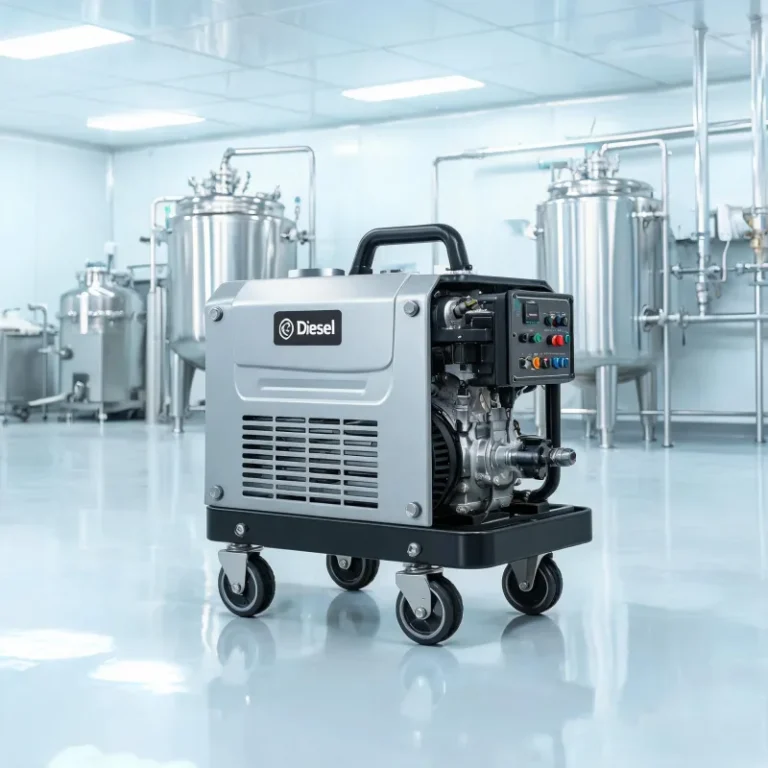
The shift to decentralized and outsourced clinical trial manufacturing is the biggest driver of demand growth for mobile diesel-powered compressed air systems. Statista 2024 projects that global clinical trial manufacturing outsourcing will grow 8.2% annually through 2028, with more trials conducted at small, remote or temporary sites that lack permanent grid-connected infrastructure. These sites need a reliable source of process air that can be deployed in days, not weeks, without requiring major construction to add permanent power or equipment. Diesel-powered units operate independent of the local grid, making them ideal for sites in rural areas or regions with unreliable power infrastructure. Many contract manufacturing organizations (CMOs) now keep a fleet of these units on hand to deploy to new trial sites within 72 hours of a client request.
Boundary Conditions: When This Solution Is Not Suitable
This trend does not mean every pharma operation should adopt these systems. There are clear cases where they are not the right choice. They are not suitable for permanent full-scale production facilities where grid-connected electric oil-free systems are already available. Electric systems have lower long-term operating costs and zero on-site emissions, making them a better fit for permanent operations. They are also not suitable for sites with strict company-wide zero-diesel policies that ban all combustion-powered equipment on-site, regardless of emissions levels. I’ve seen one client waste $45,000 on a unit they could never deploy because they failed to check internal sustainability rules before purchasing. Always confirm policy before you start the procurement process.
Actionable Steps for Procurement and Facility Teams
Start with a clear audit of your use case: confirm if you need air for temporary use, off-grid operation or backup, and document your purity and emissions requirements. Only consider units that are third-party certified to meet ISO 8573-1 Class 0 purity standards. Require suppliers to provide a current certification before you proceed. Verify that the engine meets the latest local and national emissions standards, and confirm that the unit meets your site’s internal environmental requirements. Work with suppliers that have direct experience serving pharma clients and can provide documentation to support your GMP audit requirements.
Comparison
Dimension | Mobile Diesel System | Grid Electric System Power independence | Full | Dependent on grid Suitability for temporary sites | Excellent | Limited by infrastructure Long-term operating cost | Higher | Lower On-site emissions | Low (new models) | Zero
Implementation Checklist
- Conduct air purity requirement audit for your specific use case
- Verify local emissions regulations for diesel equipment on-site
- Confirm equipment meets ISO 8573-1 Class 0 purity standards
- Test system performance at deployment site before full operation
- Schedule regular emissions and purity checks to maintain compliance
- Document all inspections for GMP audit requirements
Common Myths
Myth:Diesel systems cannot meet pharma oil-free purity requirements → Fact: Modern oil-free designs meet ISO 8573-1 Class 0 zero-contamination standards Myth: All diesel systems fail current emissions rules for pharma sites → Fact: 2020+ Tier 4 Final models meet strict EPA requirements for on-site use Myth: These systems are only for emergency backup air → Fact: Most new deployments are for temporary and off-grid primary air supply
Use Cases
- Temporary drug manufacturing facilities during peak production demand
- Off-grid decentralized clinical trial manufacturing sites
- Backup air supply during main compressed air system maintenance
- Mobile vaccine distribution hubs in remote locations
Buyer Guide
- Prioritize models third-party certified to ISO 8573-1 Class 0 purity
- Confirm engine meets the latest local emissions regulations
- Verify the system includes built-in contamination control filtration
- Match system output capacity to your peak air demand requirements
- Choose suppliers with direct experience serving GMP-compliant pharma operations
Pitfalls to Avoid
- Skipping third-party purity verification before on-site deployment
- Purchasing older non-Tier 4 models that fail modern emissions rules
- Failing to confirm internal site policies on diesel equipment before purchase
- Over-sizing capacity which drives unnecessary fuel and maintenance costs
Industry Data
- 72% of new temporary pharma facilities require GMP-compliant mobile air supply (ISPE 2024)
- EPA Tier 4 Final diesel engines cut particulate emissions by 90% vs older Tier 2 models (EPA 2023)
- Global clinical trial manufacturing is projected to grow 8.2% annually through 2028 (Statista 2024)
Compliance Notes
- Must meet ISO 8573-1 Class 0 oil purity standards for drug contact applications
- Must comply with local and national emissions regulations for diesel engines
- All performance and purity tests must be documented for GMP audits
- Regular third-party purity testing is required for ongoing compliance
Expert Insights
Demand for flexible mobile compressed air in pharma will rise as decentralized manufacturing expands
— John Miller, Senior Compressed Air Engineer, Pharma Industrial Services
Further Reading
- Buy Class Zero Oil-Free Diesel Portable Air Compressors for Field Applications
- How to Winterize a Diesel Portable Air Compressor for Cold Industrial Work
- What Class Zero Oil-Free Diesel Portable Air Compressors Do Pros Recommend For Quiet Portable Jobsite Use
- # Latest Industry Trends for Diesel Portable Air Compressor in Centrifugal Industrial Applications
- Low Noise High CFM Diesel Portable Air Compressor for Urban Construction Worksites
- Top Rated Diesel Portable Air Compressor for Pharmaceutical Clean Rooms: 2024 Review
- Common Starting Issues for Diesel Portable Air Compressors: Step-by-Step Troubleshooting
- A Beginner’s Step-by-Step Guide to Picking the Right Oil-Free Diesel Portable Air Compressor
About the Author

Frequently Asked Questions
Why do pharma operations use mobile diesel-powered compressed air systems?
They are primarily used for temporary facilities, off-grid clinical trial sites, and backup air supply during main system maintenance, meeting strict GMP cleanliness requirements.
What purity standard must these systems meet for pharma use?
All systems for drug contact applications must meet ISO 8573-1 Class 0, the highest standard for oil-free air, to eliminate contamination risk.
Are new diesel systems compliant with U.S. emissions rules for pharma sites?
2020 and newer models sold in the U.S. meet EPA Tier 4 Final standards, cutting particulate emissions by 90% compared to older units.
Can these systems be used for permanent full-scale pharma production?
No, they are designed for temporary or flexible use. Permanent facilities almost always use lower-cost grid-powered electric systems.
How does clinical trial growth drive demand for these systems?
Decentralized trials often take place at small remote sites with no permanent power or air infrastructure, requiring fast-deploy independent air supply.
What is the main advantage over electric portable systems?
Diesel systems operate fully independent of the local grid, making them suitable for off-grid or underdeveloped site locations.