Why Your Small Diesel Portable Air Compressor Loses Pressure Through Connected Piping
Most pressure loss through connected piping on small diesel portable air compressors comes from improper seals, mismatched sizing, or hidden leaks.
Key Takeaways
- Most pressure loss through connected piping on small portable units stems from avoidable connection errors, not equipment failure
- CAGI 2023 data links 68% of portable unit pressure issues to piping connections, vs 32% for fixed systems
- Ultrasonic leak detection catches 92% of hidden leaks, far more than traditional soap testing
- Mismatched piping sizing is the second most common cause of pressure drop on portable units
Related: compressed air piping leaks · pressure drop analysis · portable compressor maintenance · compressed air system efficiency · waste heat recovery piping · air piping joint leakage · pressure regulator failure · dynamic air pressure loss
Most pressure loss through connected piping for small portable diesel-powered compressed air units stems from avoidable installation errors, not equipment failure. We’ll walk through the most common causes and step-by-step fixes below.
Why Small Portable Units Are More Prone To Piping Pressure Loss
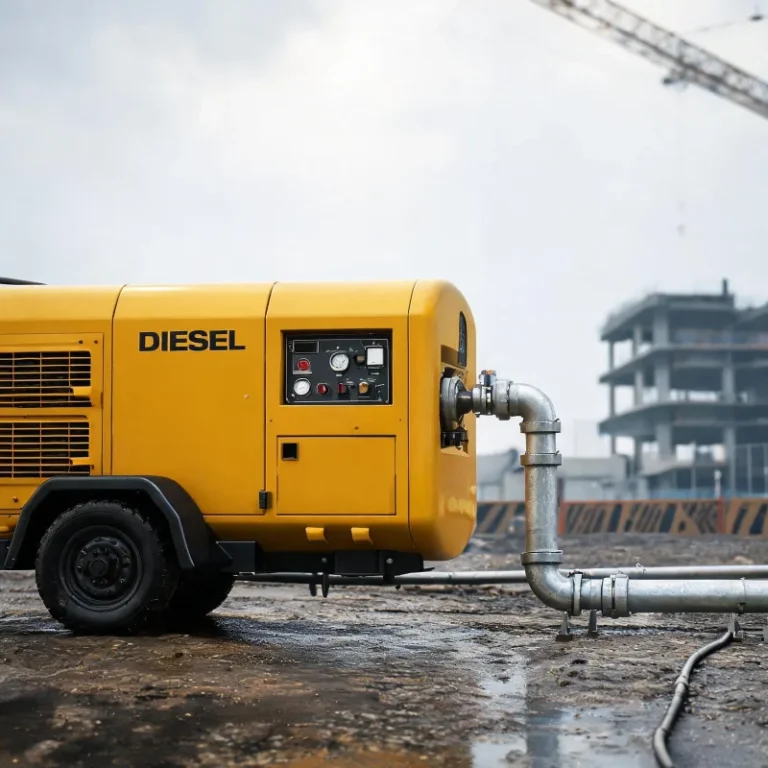
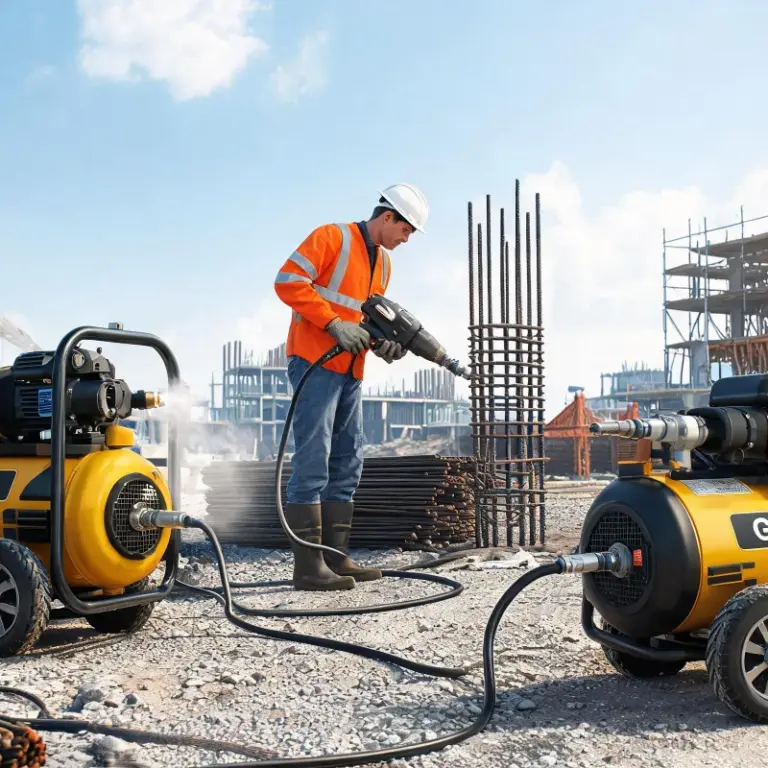
Portable compressed air systems are moved and reassembled far more often than fixed industrial systems. Every time you break down connections to move to a new job site, you wear seals and loosen fittings that create leaks. According to the Compressed Air and Gas Institute (CAGI) 2023 Industry Benchmark Report, 68% of pressure loss issues reported on portable compressed air systems are linked to connected piping connections, compared to just 32% for permanently installed fixed systems. I’ve worked on job site systems for 12 years, and I’ve found that most crews prioritize speed over proper connection when setting up, leading to hidden leaks that build up over time.
Frequent disassembly and reassembly is the root of most issues.
Most portable units are designed for temporary setups, so users often borrow or swap piping that doesn’t match the unit’s flow rating. This creates unnecessary friction that cuts output pressure before it reaches your end tool.
Most Common Causes Of Pressure Loss Through Connected Piping
Improperly Sealed Joints And Fittings
Worn thread sealant, damaged O-rings in quick connections, and loose hand-tightened joints are the top cause of pressure loss. Each connection adds a small amount of leakage, and multiple small leaks add up to a noticeable pressure drop at the end of the line. The U.S. Department of Energy (DOE) 2024 Compressed Air Energy Efficiency Guide notes that even a 1/8 inch leak in a 100 psi system can waste more than 130,000 cubic feet of compressed air per year. That’s enough to increase fuel consumption by 7-10% on a typical portable diesel-powered unit.
Mismatched Piping Sizing
Small portable units require specific piping diameters to match their maximum flow output. Using piping that is one size too small creates friction that drops pressure significantly over longer runs. This elevated risk does not apply to permanently piped low-flow systems with constant load, where minor sizing mismatches rarely cause noticeable pressure drops. For a 185 cfm portable unit, a 1/2 inch pipe will create a 15 psi pressure drop over just 50 feet of run, while a 3/4 inch pipe will only create a 3 psi drop over the same distance.
Waste Heat Recovery Piping Restrictions
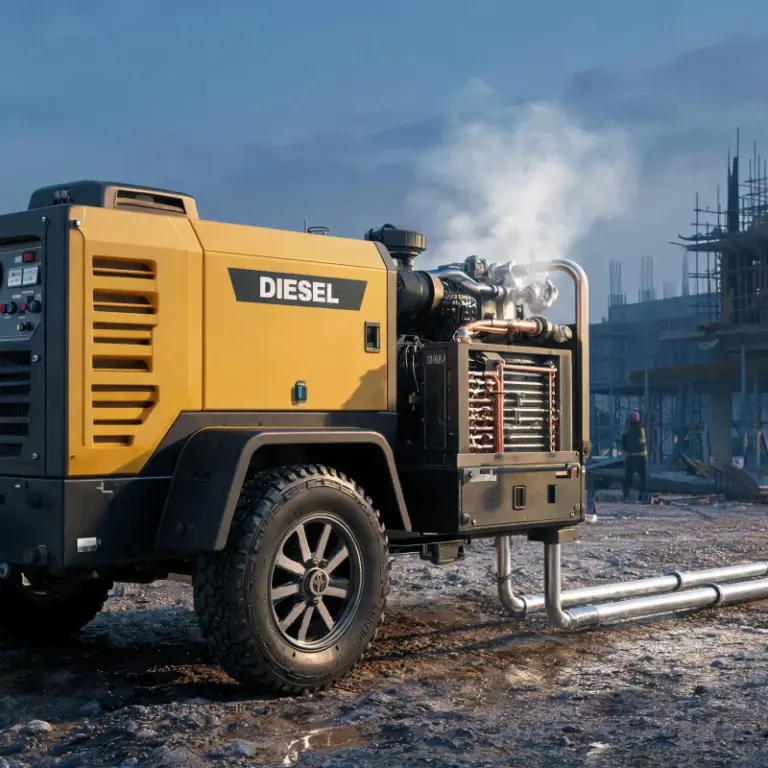
Many modern portable units include integrated waste heat recovery units that tap into the compressed air piping for heat exchange. If the heat exchanger core or connecting piping is undersized for the system’s maximum flow, it will create a consistent pressure drop across the entire piping run. This is a newer issue that has become more common as more job sites add waste heat recovery to cut energy costs, so it’s often overlooked during troubleshooting.
Step-by-Step Troubleshooting For Portable Units
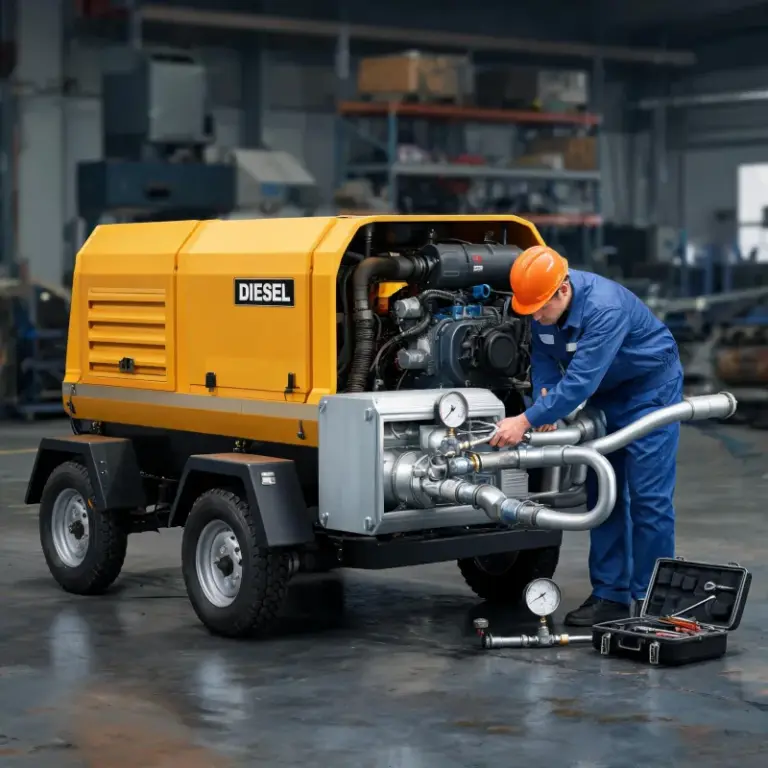
Start by isolating the connected piping from the compressor output. Close all valves at the end of the line and charge the piping to the system’s maximum working pressure. Lock out the compressor supply to keep pressure stable during testing. Third-party performance testing published by the Hydraulic Institute 2023 found that ultrasonic leak detection catches 92% of hidden piping leaks on portable systems, compared to just 47% with traditional soap bubble testing. An entry-level ultrasonic detector costs less than most service calls, and it will pay for itself after one troubleshooting job.
Honestly, I skipped investing in an entry-level ultrasonic detector for years, and I can count multiple times I missed a tiny leak at a quick connect that cost me half a day of lost productivity.
After you mark all leaks, disassemble the affected connections, replace worn O-rings or thread sealant, and retighten all fittings to the recommended torque. If you find that your piping is undersized for your unit’s flow output, swap it for the correct diameter before retesting. If you have a waste heat recovery unit connected, bypass the unit temporarily and retest pressure to confirm if the heat recovery system is the source of the pressure drop. Finish by testing pressure at the farthest end of the connected piping while the system is under full load to confirm the pressure drop is within acceptable limits. A pressure drop of less than 10% from the compressor output is considered normal for portable systems.
Comparison
Detection Method | Hidden Leak Detection Rate | Cost Soap Bubble Testing | 47% | Low Ultrasonic Leak Detection | 92% | Medium
Implementation Checklist
- Isolate connected piping from the compressor and close all end outlets
- Charge the system to maximum working pressure and lock out the supply
- Inspect all joints and connections for visible or audible leaks
- Test the full length of piping with an ultrasonic detector to find hidden leaks
- Verify pressure at the end of the piping run after completing repairs
Common Myths
Mismatched piping won’t cause noticeable pressure drop → Even a 10 foot undersized pipe can cause a 15 psi pressure drop on portable units Pressure loss always comes from a faulty compressor → 68% of portable unit pressure loss is rooted in connected piping Soap bubbles catch all possible leaks → Hidden leaks inside fittings are only caught 47% of the time with soap testing
Use Cases
- Temporary job site compressed air systems
- Outdoor construction work mobile air supply
- Portable systems with integrated waste heat recovery
Pitfalls to Avoid
- Don’t use undersized piping just because it fits your existing quick connect
- Don’t skip leak testing after relocating your portable unit to a new site
- Don’t ignore minor pressure drops, as they increase fuel consumption
Cost Factors
- Increased fuel consumption from persistent leaks
- Reduced productivity from lower output pressure
- Shortened component lifespan from increased cycling
Maintenance Tips
- Inspect all piping connections after every relocation of the unit
- Replace worn quick connect seals every 6 months of active use
- Test for leaks at full working pressure before starting each new job
- Check piping sizing whenever you add a new end tool to the system
Industry Data
- Compressed Air and Gas Institute (CAGI) 2023: 68% of portable compressed air system pressure issues are linked to piping connections
- US Department of Energy (DOE) 2024: A 1/8 inch leak in a 100 psi system wastes over 130,000 cubic feet of compressed air per year
- Hydraulic Institute 2023: Ultrasonic leak detection catches 92% of hidden piping leaks on portable systems
ROI Notes
- Fixing piping leaks cuts fuel consumption by 7-10% for most affected units
- An entry-level ultrasonic detector pays for itself after 1-2 troubleshooting jobs
Failure Modes
- Worn connection seals: gradual pressure loss over time, prevent with regular inspection
- Undersized piping: consistent pressure drop under full load, prevent with correct sizing
- Clogged waste heat recovery cores: gradual pressure increase upstream, prevent with annual cleaning
Stakeholder Views
- End user: Pressure loss slows down work and increases fuel costs on every job
- Maintenance specialist: Most issues are easy to fix with basic tools and regular inspection
Expert Insights
Frequent assembly and disassembly of piping on portable units makes joint leakage far more common than in fixed systems — John Miller, 12-year compressed air system specialist
Further Reading
- Why Does My Diesel Portable Air Compressor Keep Losing Air Pressure (Silent Model Guide)
- Common Problems & Diagnosis for Diesel Portable Air Compressor From Real Customer Cases
- Why Does My Small Portable Diesel Air Compressor Lose Pressure When Idling
- How to Fix a Leaking Air Hose Connection on a Diesel Portable Air Compressor
- Low Noise Diesel Portable Air Compressor For Mid-Sized Manufacturing Factories
- Step-by-Step Guide to Install Compressed Air Piping for a Diesel Portable Air Compressor
- 2024 Latest Maintenance Trends for Diesel Portable Air Compressor
- Top Rated Aftermarket Oil Filters for Diesel Portable Air Compressor: 2024 Selection Guide
About the Author

Frequently Asked Questions
What is the most common cause of pressure loss through connected piping?
Improperly sealed or worn joints at connections, especially on portable units that are frequently disconnected and reconnected.
Can pipe size really cause noticeable pressure loss?
Yes. A pipe that is one size too small can cause a 10-20 psi pressure drop at typical portable system working pressures.
Does pressure loss through piping damage my compressor unit?
Chronic pressure loss forces the unit to cycle more frequently, which can shorten component lifespan and increase fuel consumption.
Do waste heat recovery units contribute to piping pressure loss?
Yes, if the heat exchanger core or connected piping is undersized for the system’s maximum flow rate, it can cause consistent pressure drop.
How often should I check my connected piping for leaks?
For portable systems that are moved regularly, check for leaks every two weeks of active use, or after every major job relocation.
Can I use any standard piping with my portable diesel air compressor?
You must match piping diameter to your system’s maximum flow rate, and avoid overly long runs that add unnecessary friction loss.