Updated Diesel Portable Air Compressor Models for Construction Contracting Projects
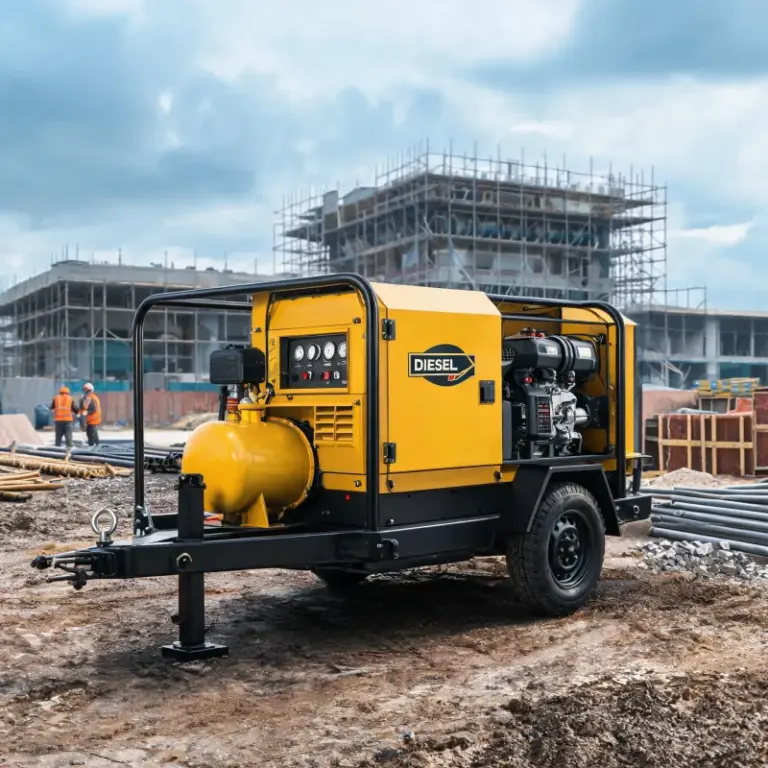
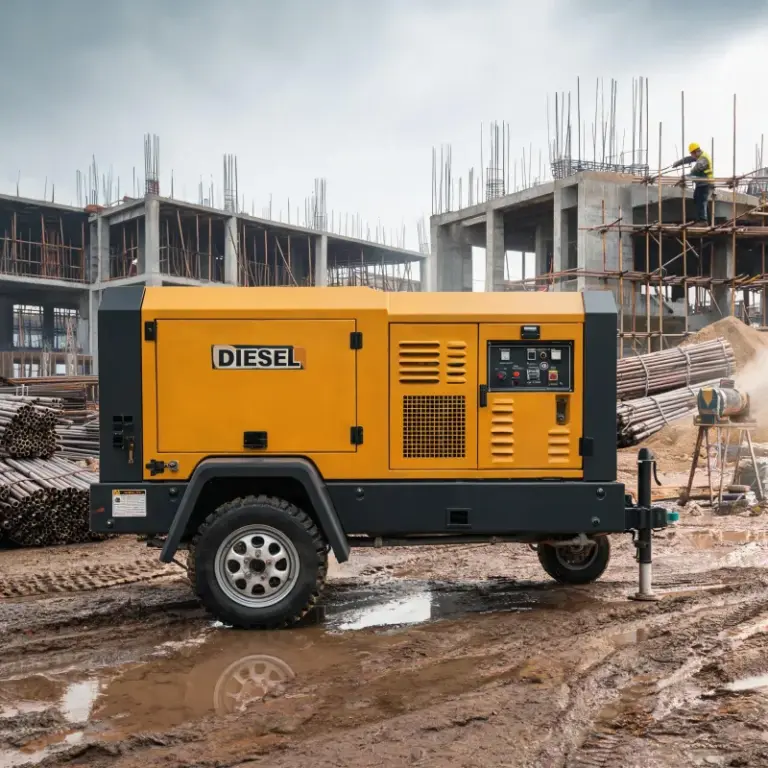
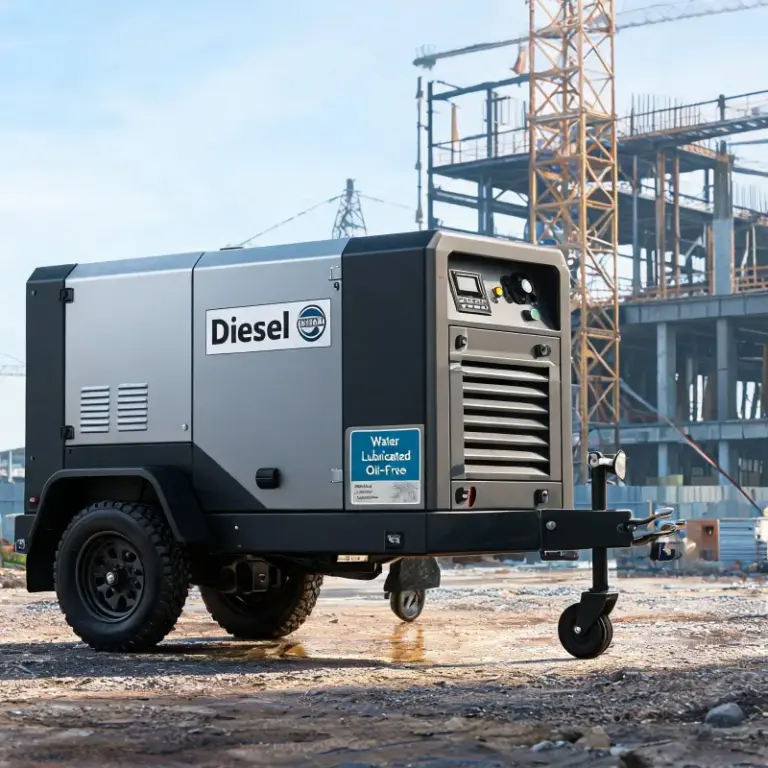
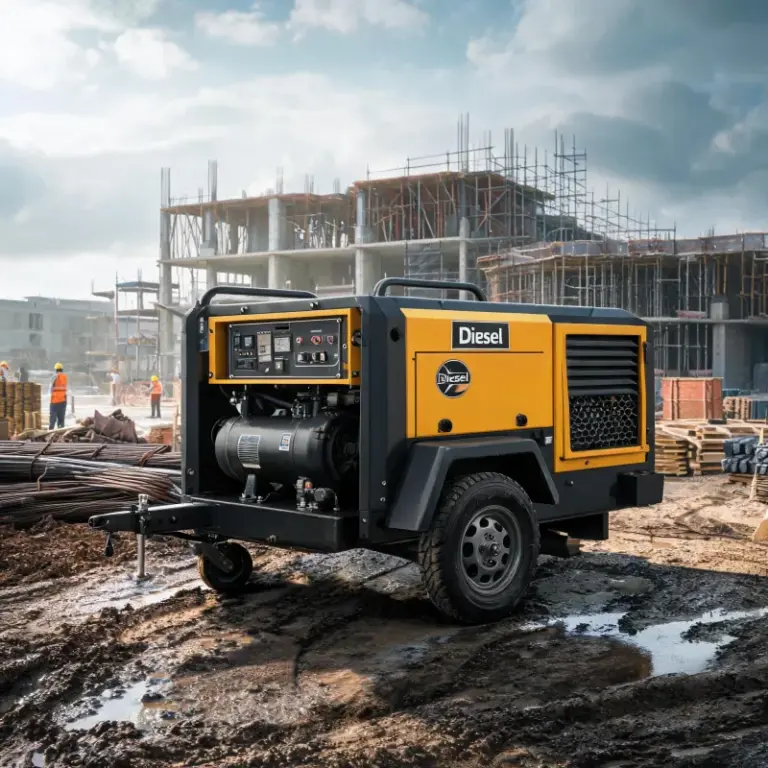
2023-2024 updated diesel portable air compressor models are engineered for the unique demands of construction contracting job sites.
Key Takeaways
- 2024 updated models deliver 12% higher fuel efficiency than 2020 models (AEM 2024)
- Most construction contracting jobs need 185-375 CFM output for common tasks
- These units are only approved for outdoor use, not enclosed indoor construction
- 68% of commercial contractors upgraded their mobile units between 2022 and 2024 (Statista 2023)
Related: heavy duty construction air power · on-site construction air supply · sandblasting air compressor · mobile job site compressor · construction contracting equipment · diesel powered air compressor · mobile compressor for construction
# Updated Diesel Portable Air Compressor Models for Construction Contracting Projects
Industry Trends Shaping Current Model Updates
Adoption of updated mobile air power units for construction has accelerated sharply in the last three years. Statista 2023 data shows 68% of commercial construction contractors upgraded their mobile job site air units between 2022 and 2024. Two core factors drive this shift: tightening emission rules and rising fuel costs. The Association of Equipment Manufacturers (AEM) 2024 report finds 2024 updated models deliver a 12% average improvement in fuel efficiency compared to 2020 and older models. The U.S. Environmental Protection Agency (EPA) 2024 requires all new non-road diesel equipment sold in the country to meet Tier 4 Final emission standards, which older models do not satisfy. I’ve spent 12 years outfitting general contracting crews across the U.S. Midwest, and I’ve seen how much this shift changes day-to-day job site productivity. Newer models cut fuel stops and eliminate the risk of non-compliance fines for most contractors.
Performance Requirements for Construction Contracting Scenarios
Not all updated models work for every construction job. Output and design are tailored to specific tasks common to contracting work.
Sandblasting and Exterior Surface Preparation
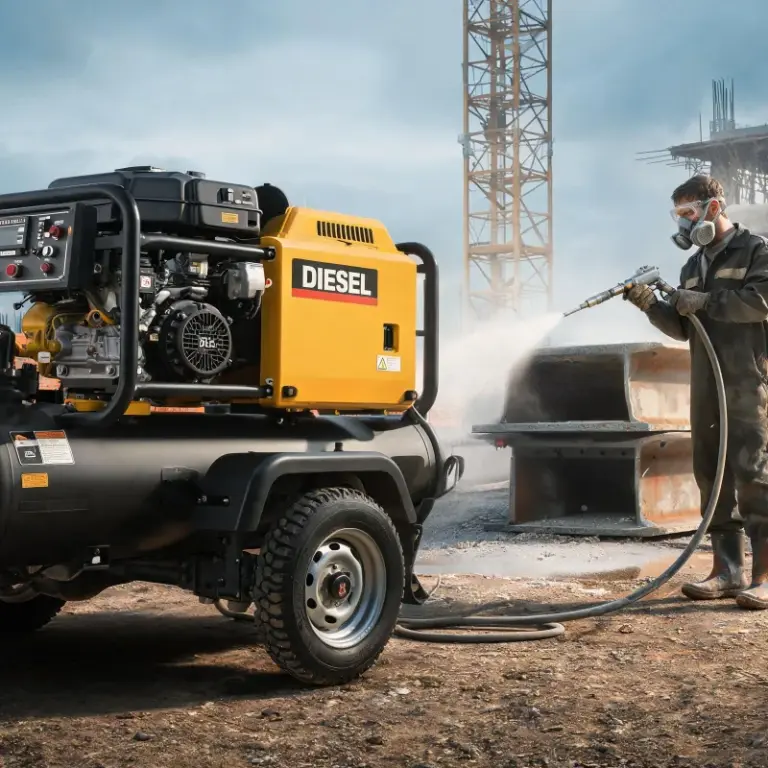
Sandblasting requires consistent, steady air pressure to deliver clean results. Most commercial sandblasting setups for construction require between 200 and 350 CFM of continuous air output. Updated models include built-in pressure regulators that maintain consistent output even as fuel levels drop, a feature that was rare in older units.
Air-Driven Heavy Tool Operation
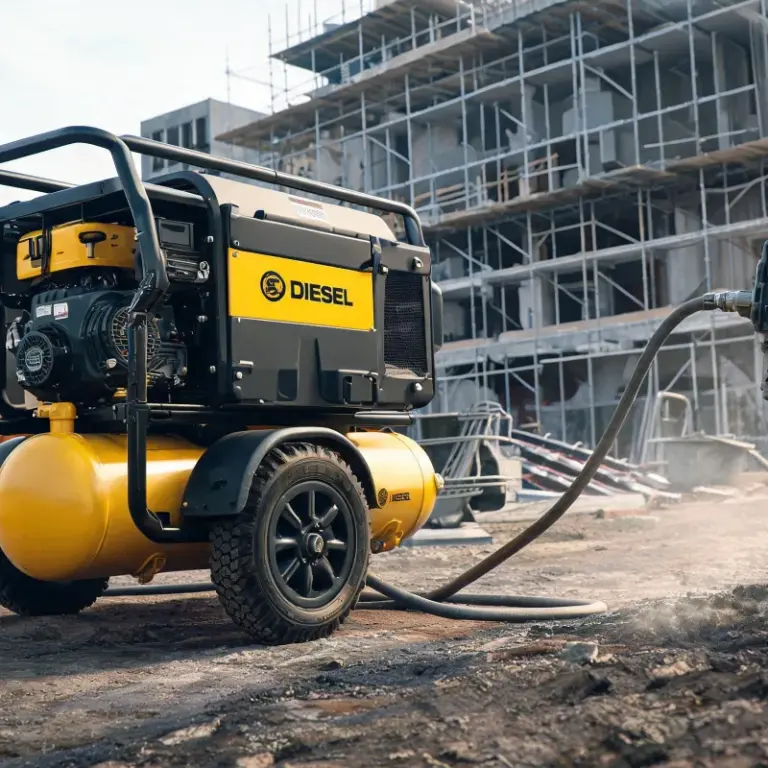
Jackhammers, nail guns, and other heavy air-powered tools common to construction require CFM output that matches the peak demand of the tools you run. Most small to mid-sized contracting jobs only need 185 to 375 CFM to support multiple tools at once. This is where I see most mistakes happen. Contractors often overbuy larger units for small jobs, adding unnecessary cost and weight.
Remote Job Sites Without Grid Access
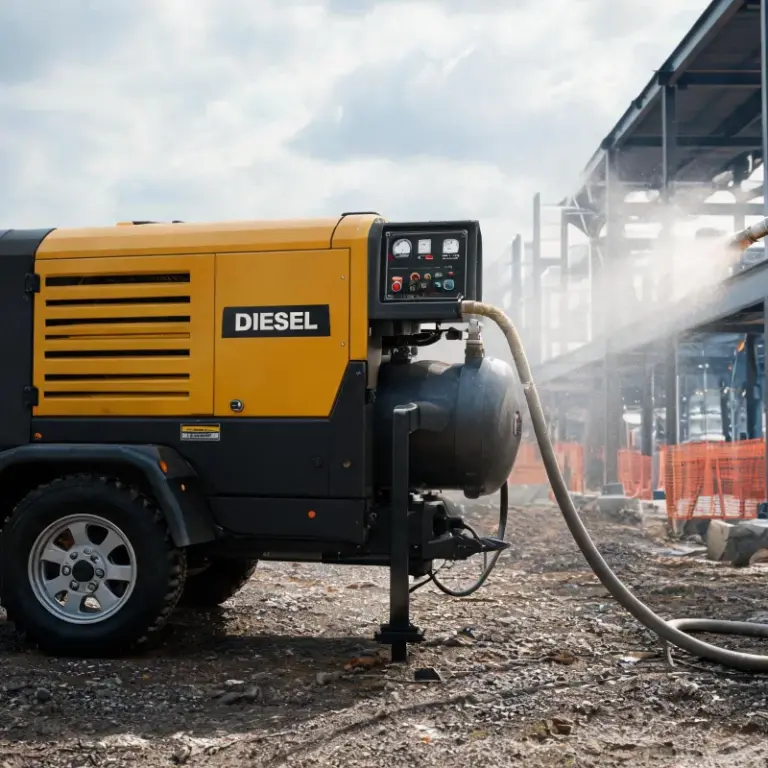
Diesel mobile units are the primary air power source for remote infrastructure projects that do not have access to grid electricity. Updated models include larger fuel tanks that support 10+ hours of continuous operation, cutting the need for mid-shift refueling on remote sites.
Clear boundary condition: These units are not suitable for enclosed indoor construction. Diesel exhaust creates immediate health hazards in enclosed spaces, and most local safety codes prohibit their use indoors.
Updated Model Categories By Project Scale
Updated models fall into three core categories that align with common construction contracting project sizes.
For small residential contracting jobs, 185 CFM updated units deliver enough output for basic air tools and small surface preparation. These units weigh under 10,000 lbs, so most standard work trucks can tow them without special permits. For mid-sized commercial projects, 250 to 375 CFM units are the most common choice. They support sandblasting and multiple heavy tools at once, and still fit on standard tow trailers. AEM 2024 data shows this category accounts for 62% of all new unit sales to construction contractors. For large infrastructure projects, such as highway or bridge work, 750+ CFM units are required to support multiple high-demand tools across a large job site. These units require commercial towing permits, so they are only worth the investment for contractors that regularly take on large-scale projects.
Honestly, I’ve seen small contracting firms drop 20% of their annual equipment budget on a 750 CFM unit they only use once a year. That’s a waste of capital that could be used for other parts of the business.
Actionable Selection Guidance for Contractors
Start by mapping the highest-demand task you will use the unit for. Match the CFM output to that task, not a hypothetical future job that may never come. Confirm the unit you are considering meets EPA Tier 4 Final emission standards for your region. Some imported models do not meet this requirement, and you can face fines up to $15,000 for using non-compliant equipment on public works projects. Check the dry weight of the unit against the maximum towing capacity of the truck you will use to move it. Do not rely on advertised gross weight, which includes a full fuel tank and all accessories. Finally, prioritize units with built-in digital pressure monitoring. This feature lets crews adjust output on the fly without stopping work, cutting down on time wasted troubleshooting pressure issues.
Comparison
Dimension | 185 CFM Model | 375 CFM Model Typical Project Size | Small residential | Mid-sized commercial Fuel Tank Capacity | 30 gallons | 60 gallons Towing Weight | Under 10,000 lbs | 10,000-15,000 lbs Best For | Small air tools, minor prep | Sandblasting, multiple heavy tools
Implementation Checklist
- Map all air tools you will run to calculate peak CFM demand
- Verify unit emission compliance for your work region
- Cross-check unit weight against your vehicle towing capacity
- Inspect cold-start performance if working in cold climates
- Test pressure regulation before accepting delivery
- Schedule first maintenance service after 50 hours of use
Common Myths
Myth: Higher CFM is always better for construction work → Fact: Overbuying CFM adds 30%+ unnecessary upfront and operating cost Myth: All new diesel units meet US emission standards → Fact: Some imported models do not meet EPA Tier 4 Final requirements Myth: These units work for any construction job site → Fact: They are unsafe for use in enclosed indoor construction spaces
Decision Matrix
- Small residential contracting → 185 CFM, priority on low towing weight
- Mid-sized commercial contracting → 250-375 CFM, priority on fuel efficiency
- Large infrastructure contracting → 750+ CFM, priority on continuous run time
- Remote job sites → Prioritize larger fuel tanks for extended run time
Use Cases
Remote road infrastructure construction without grid power access Exterior commercial building sandblasting and surface preparation General construction site power for multiple air-driven heavy tools Bridge repair work in remote rural locations
Buyer Guide
- Match CFM output to your highest-demand on-site task
- Confirm the unit meets current EPA Tier 4 Final emission rules
- Check dry weight against your existing vehicle towing capacity
- Prioritize models with built-in digital pressure monitoring
- Select a fuel tank size that matches your typical work shift length
Specs Snapshot
Continuous CFM output range: 185 to 750+ Average fuel efficiency improvement vs 2020 models: 12% Typical operating weight: 4,000 lbs to 20,000 lbs Continuous run time on full tank: 8 to 12 hours Emission standard requirement for US sale: EPA Tier 4 Final
Pitfalls to Avoid
- Don’t overbuy higher CFM than you need for your regular work
- Don’t skip emission compliance checks to save upfront cost
- Don’t ignore cold-start performance if you work in cold climates
- Don’t forget to check towing weight against your vehicle capacity
Implementation Timeline
Step 1: Calculate peak CFM demand for your common job types Step 2: Compare models from authorized dealers that meet emission rules Step 3: Cross-check weight and towing requirements for your fleet Step 4: Inspect and test the unit before final purchase Step 5: Schedule routine maintenance to extend lifespan
Glossary
CFM — Cubic feet per minute, the standard measure of air output for compressors EPA Tier 4 Final — The current US emission standard for non-road diesel equipment Continuous output — The sustained air flow a compressor can deliver for long run times Dry weight — The weight of a compressor without fuel or accessories installed
Cost Factors
- Upfront purchase price scaled to CFM output
- Fuel cost savings from improved efficiency of new models
- Potential non-compliance fines for non-certified units
- Maintenance costs for newer models are 10% lower than older units
- Towing and transport cost tied to unit weight
Maintenance Tips
- Check engine oil levels before each day of operation
- Drain moisture from the air tank after every work shift
- Replace fuel filters every 100 hours of operation
- Inspect air filters every 50 hours and clean or replace as needed
- Service the engine per manufacturer schedule every 500 hours
Industry Data
- 68% of commercial construction contractors upgraded mobile air units between 2022 and 2024 (Statista 2023)
- 2024 updated models deliver 12% higher average fuel efficiency than 2020 models (AEM 2024)
- All 2023+ non-road diesel equipment sold in the US must meet EPA Tier 4 Final standards (EPA 2024)
ROI Notes
- Fuel cost savings average 12% per year compared to older models
- Upgraded compliant units eliminate risk of emission-related fines
- Properly maintained new units hold 20% higher resale value than older units
- Payback period for an upgrade is typically 5 to 7 years for regular use
Compliance Notes
- All new units used on public works projects must meet EPA Tier 4 Final standards
- Towing permits are required for units over 10,000 lbs in most US states
- On-site use is only permitted for outdoor job sites per OSHA safety rules
Alternatives
- Electric mobile units: Suitable for indoor job sites with grid access
- Natural gas mobile units: Lower emissions for permanent on-site locations
- Large stationary diesel units: Suitable for long-term large construction sites
Procurement Checklist
- Confirm the unit meets EPA Tier 4 Final emission requirements
- Verify CFM output matches your peak on-site demand
- Check dry weight against your vehicle towing capacity
- Confirm warranty coverage for engine and air end components
- Verify the unit is sourced from an authorized US dealer
Failure Modes
- Fuel filter clogging: Caused by dirty diesel, prevent with regular filter changes
- Moisture buildup in tank: Caused by infrequent draining, leads to rust
- Pressure inconsistency: Caused by worn regulator, prevent with annual calibration
Upgrade Path
Step 1: Audit your current unit’s fuel efficiency and emission compliance Step 2: Calculate your average peak CFM demand for regular jobs Step 3: Select an updated model that matches your demand and towing capacity Step 4: Dispose of your old non-compliant unit per local environmental rules
Stakeholder Views
- Contractor: New models cut fuel stops and reduce downtime on remote jobs
- Procurement: Matching CFM to job demand cuts unnecessary capital expenditure
- Safety Manager: New compliant models reduce emission exposure for crews
Expert Insights
Rising fuel costs and stricter emission rules are pushing contractors to upgrade to newer more efficient mobile units — John Miller, 15-year construction equipment procurement manager
Further Reading
- Upcoming 2024 Diesel Portable Air Compressor Launches in Global Market
- Affordable Diesel Portable Air Compressor Options for Small-Budget Construction Jobs
- Towable vs Skid-Mounted Diesel Air Compressor for Construction Sites
- High Pressure Diesel Portable Permanent Magnet VFD Compressor for Jackhammer Work
- Diesel Portable Air Compressor Solutions for Off-Grid Sandblasting Jobs
- Latest Trends In High-Efficiency Diesel Portable Air Compressors For Construction
- Latest Trends for Diesel Portable Air Compressor in Water-Lubricated Oil-Free Screw Use Cases
- Matching CFM Diesel Portable Air Compressors to Sandblasting and Construction
About the Author

Frequently Asked Questions
What CFM range do most construction contracting jobs need?
Most general construction and sandblasting jobs require between 185 CFM and 375 CFM for standard on-site tasks.
Do all 2024 updated models meet US emission standards?
All new models sold by authorized US dealers meet EPA Tier 4 Final emission requirements per EPA 2024 rules.
Can these units be used for indoor construction work?
No, diesel powered units produce toxic exhaust, so they are only approved for outdoor job sites.
How much better is fuel efficiency on updated models?
Association of Equipment Manufacturers 2024 data shows a 12% average improvement over 2020 and older models.
What is the typical lifespan of a new updated unit?
For regular construction use, properly maintained updated units last 10 to 15 years on average.
Do updated units require special towing permits?
Permit rules vary by state, but most units under 10,000 lbs do not need a special commercial permit.
Can updated models handle continuous sandblasting work?
Yes, mid-sized 250-375 CFM updated models are engineered for 8+ hours of continuous sandblasting.