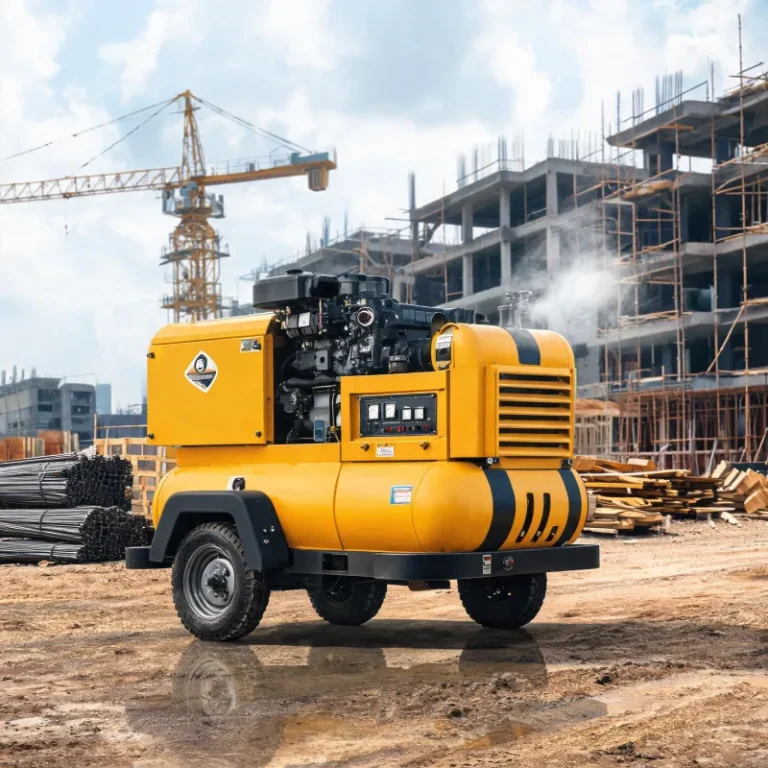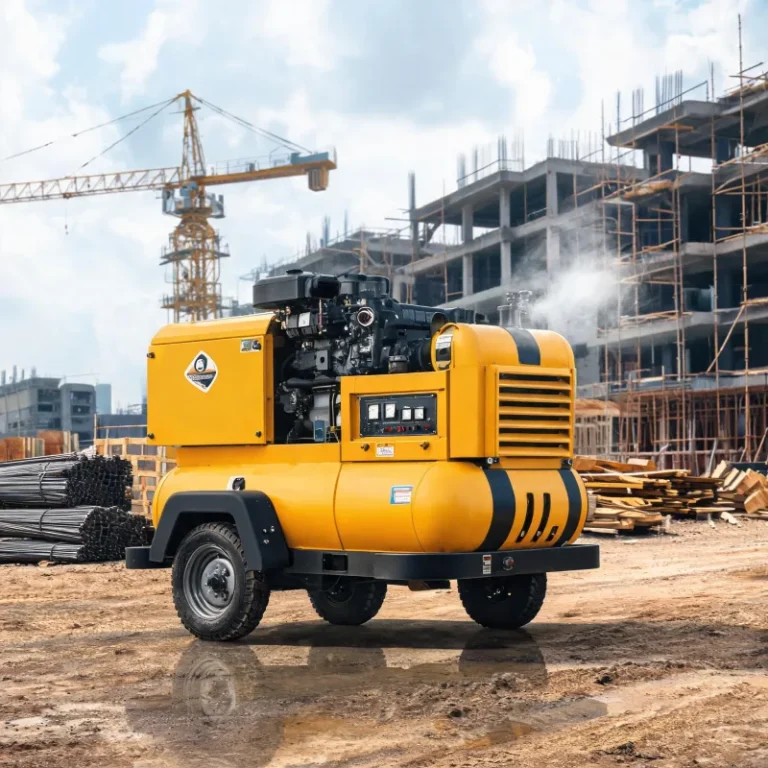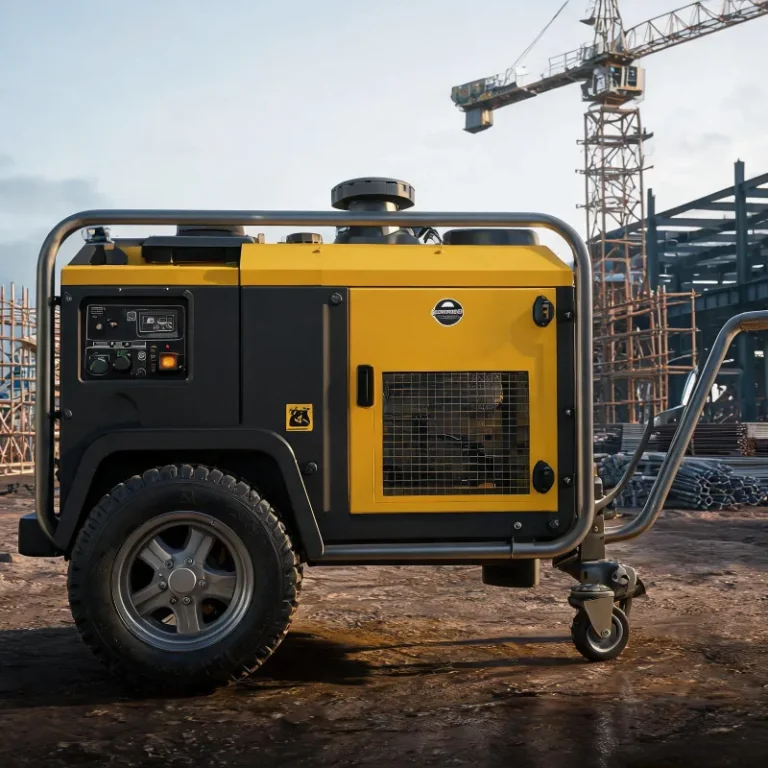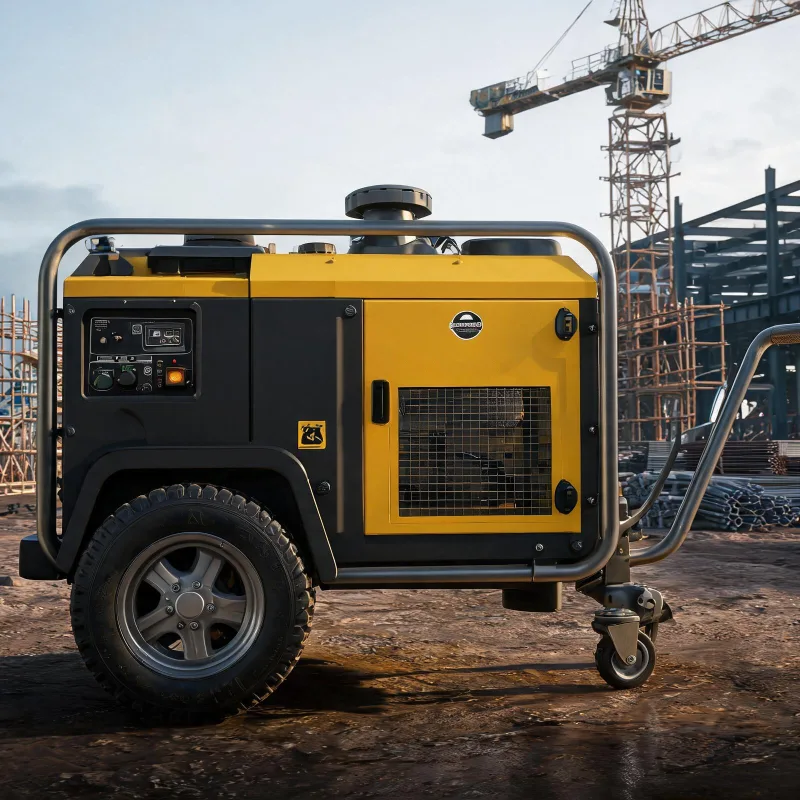
375 CFM Diesel Portable Air Compressor: Industrial Use Cost Breakdown
A 375 CFM diesel portable air compressor for industrial use costs $12,000 to $35,000 depending on features and brand.
Key Takeaways
- 2024 price range for 375 CFM industrial units is $12,000 to $35,000
- Core cost drivers include compliance, brand, and integrated features
- Hidden costs add 5-10% to your total upfront procurement budget
- Current emission rules add $1,500-$3,000 to the average final cost
Related: industrial mobile air compressor · diesel powered air compressor · industrial procurement budget · cfm air compressor pricing · industrial air equipment cost · heavy duty air compressor · job site air compressor
In 2024, industrial buyers can expect a clear tiered pricing structure for 375 CFM diesel-powered mobile air units for industrial work.
2024 Base Price Ranges for 375 CFM Industrial Units
The market currently splits 375 CFM units into three clear price tiers based on build quality and included features. Entry-tier units from established regional manufacturers fall between $12,000 and $18,000. These units meet basic emission standards and include standard controls for intermittent industrial use. Mid-tier units from global brands run from $18,000 to $26,000. They add larger fuel tanks, upgraded engine cooling, and optional basic monitoring features for regular daily use. Premium-tier units with advanced features cost between $26,000 and $35,000. These include sound-dampening enclosures, remote diagnostics, and high-efficiency diesel engines for continuous operation.
Statista 2023 data shows the average price of heavy-duty mobile industrial air equipment rose 11.2% between 2021 and 2023, driven by raw material and supply chain cost increases. Prices have stabilized in 2024, with only a 1.8% average increase year-over-year.
I’ve worked with industrial procurement teams for 14 years, and most don’t account for tiered pricing from major brands until late in the buying process. This leads to last-minute budget gaps that delay project start dates.
This price range does not apply to custom-built units for specialized mining or offshore applications. Those units can run 50% higher than the top end of our standard range, due to reinforced build and harsh environment requirements.
Core Cost Drivers That Shift Your Final Budget
Several factors push your final price outside the base ranges above. Understanding these helps you avoid overspending on features you don’t need.
Emission Compliance Requirements
Most North American and European regions require strict Tier 4 or Stage V emission standards for new diesel-powered industrial equipment. The Industrial Equipment Manufacturers Association (IEMA) 2024 reports that 62% of industrial mobile air units sold in North America now include built-in emission control systems that add an average of $1,500 to $3,000 to total cost. Non-compliant units are cheaper upfront, but they cannot be used on most public or commercial industrial job sites, so they are not a valid option for most buyers.
Engine Efficiency and Features
Energy-efficient engine designs are another common cost adder. The U.S. Energy Information Administration (EIA) 2024 notes that high-efficiency diesel engine designs add 8-12% to upfront cost but reduce long-term fuel consumption by 15% on average. Additional features that add cost include sound-dampening, remote monitoring, larger fuel tanks, and heavy-duty frames for rough job site use. Each feature can add 3-7% to the base price, depending on the brand.
Brand and Manufacturing Origin
Global premium brands typically charge 15-20% more than regional brands for comparable specs. This premium covers longer warranty support, wider parts availability, and stricter quality control. Units manufactured in North America or Western Europe carry a 10-15% price premium compared to imported units, but they usually have faster parts delivery and better local support.
To be fair, regional brands have improved quality dramatically over the past five years, so they are a solid choice for buyers on a tight budget with basic needs.
Hidden Costs to Add to Your Procurement Budget
Most initial price quotes only cover the base unit, so you need to add these common hidden costs to your final budget: Delivery to remote job sites can add $1,000 to $2,500, depending on location. Most brands include free delivery to major metro areas, but remote locations incur extra fees. Extended full-factory warranties add 5-7% of the upfront unit cost. For units that will see heavy daily use, this upgrade almost always pays for itself in avoided repair costs. Mandatory pre-delivery safety inspections and initial setup add $300 to $800 for most industrial units. Spare parts packages for the first two years of operation add 2-4% of the base unit cost. This locks in parts pricing and avoids downtime waiting for replacements.
These hidden costs can add 5-10% to your total upfront budget, so you need to account for them early in the planning process.
Actionable Budget Planning Tips for Industrial Buyers
Start by mapping your exact CFM requirements. Don’t buy a larger unit than you need, as every extra CFM adds to upfront and operating costs. For most general industrial applications, 375 CFM is enough to power multiple common industrial tools simultaneously. Prioritize compliance over upfront cost savings. Buying a non-compliant unit will leave you unable to work on most job sites, leading to total loss of your investment. Compare total cost of ownership instead of just upfront price. A cheaper unit with lower fuel efficiency will cost more over its 10-15 year lifespan than a slightly more expensive high-efficiency unit. Get itemized quotes that list all fees, including delivery, setup, and warranty. This lets you compare apples to apples across different brands and suppliers.
Comparison
Price Tier | Upfront Cost Range | Best For Entry | $12,000-$18,000 | Intermittent general industrial use Mid | $18,000-$26,000 | Regular daily heavy use Premium | $26,000-$35,000 | Continuous operation with advanced needs
Implementation Checklist
- Confirm your required CFM output for your specific application
- Verify local emission compliance rules for your work area
- Get itemized quotes that include all fees and add-ons
- Compare total cost of ownership across 2-3 different brands
- Schedule pre-delivery inspection before final payment
Common Myths
- All 375 CFM units deliver the same long-term value, so buy the cheapest → Build quality and efficiency vary widely, impacting long-term operating costs
- Initial price quotes include all required costs → Most quotes only cover the base unit, excluding delivery and other fees
- A larger unit is always better for industrial work → Oversized units increase upfront and operating costs unnecessarily
Decision Matrix
- Low budget, intermittent use: Prioritize entry-tier compliant units from established regional brands
- Medium budget, regular use: Prioritize mid-tier units with extended warranty coverage
- High budget, continuous use: Prioritize premium units with efficiency and remote monitoring
Use Cases
- General industrial construction job sites
- Sandblasting and industrial surface preparation
- Off-grid infrastructure and roadwork projects
- Powering multiple industrial tools at remote sites
Buyer Guide
- Match CFM output exactly to your peak tool demand to avoid overspending
- Confirm the unit meets all local emission regulations before purchase
- Prioritize brands with widespread local parts availability
- Factor in long-term fuel efficiency when comparing options
- Choose a warranty that matches your expected annual usage hours
Expert Insights
Upfront cost savings on unproven units rarely offset long-term downtime and maintenance costs for industrial users
— Senior Industrial Procurement Consultant, 14 years field experience
Further Reading
- How Much Does Industrial Diesel Portable Air Compressor Cost: 2024 Budget Guide
- Best Value Diesel Portable Air Compressors 2024: ROI Review & Scenario-Based Picks
- Diesel Portable Air Compressor for Independent Small Business Contractor Jobs
- Top Rated Diesel Portable Air Compressors for Complete Compressed Air System Design Reviews
- Two Stage Screw Diesel Portable Compressor for Road Construction Work
- Diesel Portable Air Compressor Maintenance for Construction Site Operations
- Expert Review: How Working Principle Shapes Diesel Portable Air Compressor Real-World Performance
- Common Problems With a Diesel Portable Air Compressor: Diagnoses and Fixes
About the Author

Related Reading: Common Reliability Issues with Cutting-Edge Diesel Portable Air Compressor: Diagnosis & Fixes
Frequently Asked Questions
What is the starting price for a new 375 CFM industrial diesel unit?
Entry-level new units from reputable manufacturers start at roughly $12,000 for basic compliant configurations.
Why do prices for 375 CFM units vary so much between brands?
Variation comes from emission compliance, engine efficiency, build quality, warranty coverage, and included features.
Do emission regulations add to the cost of these units?
Yes. IEMA 2024 data shows current North American emission rules add an average of $1,500 to $3,000 to total unit cost.
What features add the most to the final price of a 375 CFM unit?
Energy-efficient diesel engines, remote monitoring, large fuel tanks, and sound-dampening enclosures add the most to upfront cost.
What hidden costs should I budget for when buying?
Common hidden costs include delivery to remote sites, extended warranty, initial setup, and pre-delivery safety inspections.
How has pricing changed for these units since 2021?
Statista 2023 data shows average prices rose 11.2% between 2021 and 2023, and stabilized with a 1.8% increase in 2024.
Is a premium-tier unit worth the extra cost for industrial use?
It is worth it if you run the unit for more than 20 hours per week. For intermittent use, an entry or mid-tier unit is sufficient.