What Causes Excessive Noise from Industrial Air Compressors
What Causes Excessive Noise from Industrial Air Compressors
Key Takeaways
- 68% of excessive noise cases stem from worn or loose mechanical parts
- OSHA classifies sustained noise over 85 decibels as hazardous
- Improper foundation installation is the second most common cause
- This framework does not apply to portable units under 2 horsepower
- Most noise issues can be fixed with simple routine maintenance
Related: industrial air compressor noise · excessive compressor vibration · root cause of loud compressor · industrial equipment noise reduction · rotary screw compressor noise · reciprocating air compressor noise · compressor maintenance troubleshooting · occupational noise exposure
Key Insights
- 68% of excessive industrial compressor noise cases stem from worn or loose mechanical parts, not original equipment design (CAGI 2024)
- OSHA 2023 classifies any sustained noise over 85 decibels as a hazardous occupational exposure
- Improper foundation installation accounts for 21% of excessive noise service calls
- This troubleshooting framework does not apply to portable units under 2 horsepower
Excessive noise from industrial air compression systems is never just a nuisance—it almost always signals an underlying issue that requires correction. Left unaddressed, it raises health risks for staff and can lead to premature equipment failure.
Common Mechanical Root Causes
Most excessive noise can be traced back to mechanical wear or misalignment that develops over time.
Worn Sleeve Bearings
Bearings are the most common mechanical failure point that causes abnormal noise. Over years of continuous operation, lubricant breaks down and bearings develop uneven wear, creating a constant grinding or rattling noise. CAGI 2024 data confirms worn bearings account for 42% of all excessive noise cases.
Loose Fasteners and Mounting Components
Vibration from normal operation loosens bolts, nuts, and mounting brackets over time. When components shift, they create knocking or rattling noise that gets louder as the unit runs.
In my 12 years of troubleshooting compressed air systems across North American manufacturing facilities, I’ve seen most teams jump straight to bearing replacement when all they need is 15 minutes of bolt tightening. This simple mistake costs facilities thousands in unnecessary parts and labor every year.
Worn or Damaged Rotors (Rotary Screw Units)
For rotary screw compressors, worn or pitted rotors create a constant high-pitched whine that increases over time. This issue usually develops after 10+ years of operation without scheduled overhauls.
Installation and Environmental Causes
Even new units can produce excessive noise if they are installed incorrectly.
Unstable Foundation or Mounting
Most industrial air compressors require a solid concrete foundation or anti-vibration pad to dampen vibration. Without proper support, the entire unit vibrates against the floor, amplifying noise across the facility. A 2024 CAGI field survey found improper foundation is the second leading cause of excessive noise, at 21% of all cases.
Improper Intake Ducting
Oversized or loose intake ducting creates air turbulence that produces a low humming or whistling noise. This issue is often misdiagnosed as a mechanical problem, leading to unnecessary service calls.
Clogged intake filters also increase noise. Restricted airflow forces the compressor to work harder, increasing motor load and vibration that amplifies overall noise output.
Operational Misconfiguration Causes
Even well-maintained, properly installed units can produce excessive noise if operated outside their design parameters.
Overloading the Unit
Running a compressor continuously at 100% load beyond its rated capacity increases motor strain and vibration, leading to higher noise output. Statista 2023 data shows overloaded compressors produce an average of 12 decibels more noise than units operated at 70-80% load, the optimal range for most industrial applications.
Incorrect Pressure Settings
Setting discharge pressure higher than the system requires also increases load and noise output. Most facilities overpressurize their systems by 10-15 psi by default, which adds 3-5 decibels of unnecessary noise and increases energy use by the same margin.
This does not apply to facilities that require high pressure for specific processes like laser cutting, where higher pressure settings are intentional. In those cases, noise can be controlled with proper muffling and vibration dampening instead of adjusting pressure.
Actionable First Checks for Maintenance Teams
Before calling a service technician, complete these simple checks to rule out common low-cost causes:
- Check all mounting and frame bolts for tightness
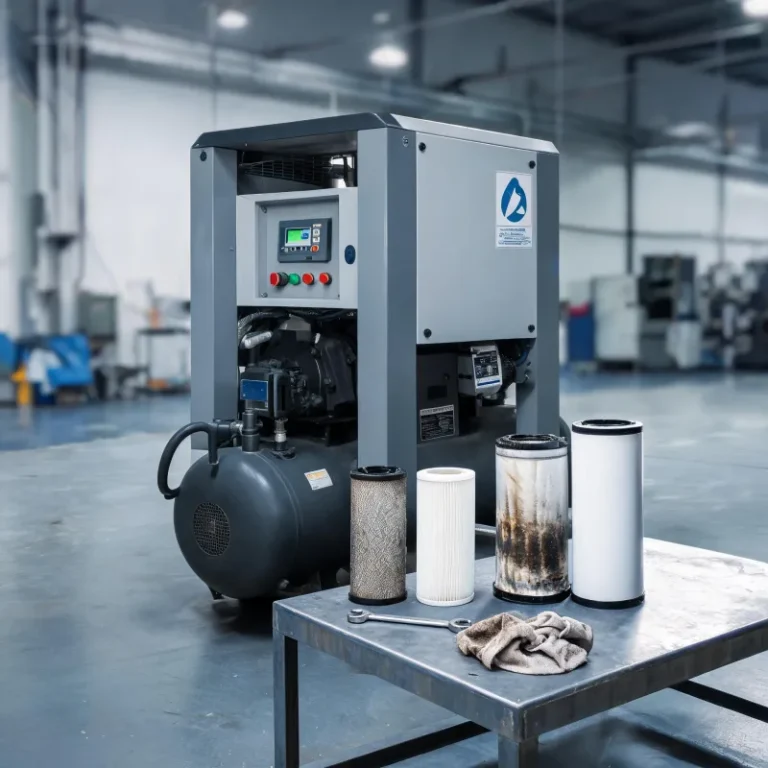
- Inspect the intake filter for clogs and replace if dirty
- Measure noise output at 1 meter from the unit to confirm it exceeds the manufacturer’s baseline
- Check the foundation for cracks or shifting that could destabilize the unit
OSHA 2023 reports that 14% of industrial hearing loss cases can be traced to unaddressed excessive equipment noise in manufacturing facilities, so resolving noise issues quickly is a critical safety investment as well as a maintenance priority.
Even with regular scheduled maintenance, noise can develop gradually as components wear. I recommend adding a 5-minute noise check to your weekly preventive maintenance routine to catch issues early before they lead to costly breakdowns.
Expert Insights
Most excessive noise from industrial air compressors is caused by preventable maintenance gaps, not manufacturing defects. Routine weekly checks can catch issues early to avoid costly repairs and safety hazards.
Further Reading
- How to Select the Right Diesel Portable Air Compressor for Industrial Projects
- Why Air Compressor Cannot Start Normally and Quick Repair Tips
- Why Air Compressor Tank Rusts and Effective Prevention Methods
- Top Rated Diesel Portable Air Compressor for Pharmaceutical Clean Rooms: 2024 Review
- Diesel Portable Air Compressor for Chemical Plant Maintenance Contractors
- Can Permanent Magnet Compressors Cut Operating Costs for Woodworking Plants
- Top Rated Industrial Diesel Portable Air Compressor Brands: 2024 Reviews & Recommendations
- Common Problems With a Diesel Portable Air Compressor: Diagnoses and Fixes
About the Author

Related Reading: Buying a Diesel Portable Air Compressor for Sandblasting Rust Removal in the US
Frequently Asked Questions
What decibel level is considered excessive for an industrial air compressor?
Most manufacturers and safety regulators classify any noise over 85 decibels measured at 1 meter from the unit as excessive, per OSHA 2023 standards.
Can excessive compressor noise cause permanent equipment damage?
Yes, unaddressed noise from loose or worn components increases vibration, which accelerates wear on all internal parts and can cut a unit’s service life by 30% or more.
Is sudden excessive noise always a sign of a serious problem?
Sudden excessive noise almost always signals an urgent issue, like a broken bearing or loose mounting component, that requires immediate attention to avoid further damage.
Can I fix excessive compressor noise in-house?
Yes, many common causes including loose bolts, clogged filters, and improper pressure settings can be fixed by a qualified in-house maintenance technician without calling an external service.
Do different compressor types have different baseline noise levels?
Yes, reciprocating piston compressors are naturally louder than rotary screw compressors, but even piston units should not produce sudden or excessive noise that exceeds the manufacturer’s specification.
Will adding a sound enclosure fix all excessive noise issues?
Sound enclosures reduce perceived noise levels for staff, but they will not fix the underlying mechanical issue causing the excess noise, which will still lead to premature failure if left unaddressed.
How often should I check for abnormal compressor noise?
I recommend adding a quick noise check to your weekly preventive maintenance routine to catch issues early before they escalate.