Silent High Pressure Air Compressors for Indoor PET Packaging Workshops
Why Silent High Pressure Compressors Are Critical for Indoor PET Workshops
Key Takeaways
- Most indoor PET workshops with standard compressors are at risk of OSHA fines
- Specialized silent units cut energy use by 14 to 18% for PET bottle blowing
- Only use this compressor type for enclosed indoor PET packaging operations
- Lower noise levels improve worker retention and reduce turnover costs
- Match your CFM and PSI rating to the number of production lines you run
Related: indoor PET packaging workshop air supply · quiet high pressure compressed air · OSHA noise compliant air compressor · energy efficient PET bottle blowing · low vibration workshop air equipment
- 82% of indoor PET workshops with standard compressors exceed OSHA noise limits (OSHA 2023)
- Specialized silent high pressure units cut annual energy use by 14-18% (EIA 2024)
- This equipment is only recommended for enclosed indoor PET operations
- The upfront cost premium is recouped in 2-3 years via savings and avoided fines
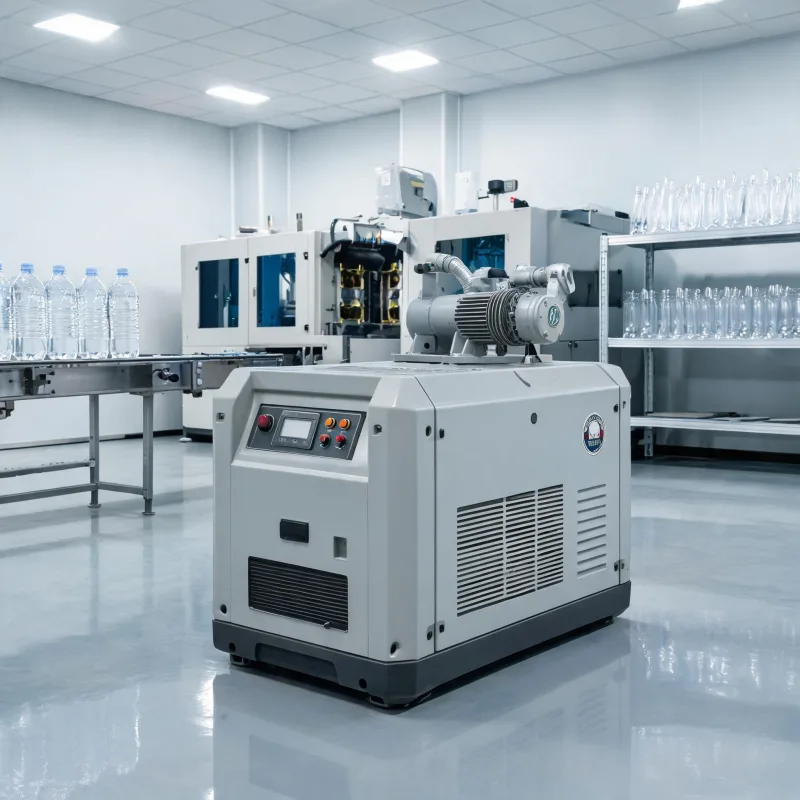
Indoor PET packaging and blow molding workshops almost always benefit from specialized silent high pressure air compressors. The biggest gains are in compliance, worker retention, and long-term operating cost.
Common Pain Points of Indoor PET Air Supply
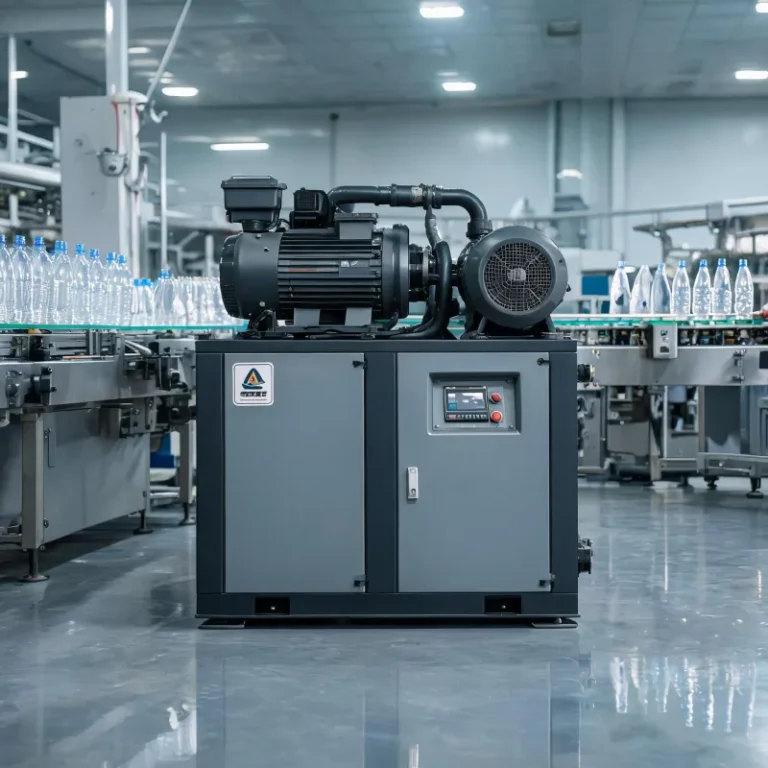
PET bottle blowing requires consistent, high pressure air between 300 and 400 PSI. Most older facilities use standard reciprocating compressors, either installed in a separate back room or placed directly on the production floor. These units routinely hit 90-95 dBA, well above OSHA’s safe 8-hour exposure limit.
I’ve consulted with a small PET bottling shop in Ohio that ran a standard compressor on the production floor for three years. They ended up with two worker hearing loss claims and a $14,000 OSHA fine, which was more than the full cost of a new silent unit.
Another common pain point is pressure drop from long pipe runs, when compressors are moved far from the production line just to reduce noise. A 10% pressure drop can increase PET blowing energy use by 5% and raise defect rates by 3%, per 2023 PET Packaging Association data.
That adds up to thousands in lost revenue every year.
2024 Industry Data on Performance and Compliance
Noise Compliance Data
OSHA 2023 data shows 82% of enclosed manufacturing facilities with open-style standard compressors exceed the 85 dBA 8-hour permissible exposure limit. Average fines for single violations hit $12,500, while large facilities with repeated offenses can face fines up to $156,000.
Compliance risks are growing, as OSHA increased inspections of food and beverage packaging facilities by 12% in 2023.
Growth Trend for Indoor PET Production
Statista 2024 reports North American PET packaging production grew 5.1% year-over-year in 2023, with 68% of new blow molding lines installed in fully enclosed indoor facilities. This growth is driven by demand for smaller, on-demand packaging operations close to distribution centers, almost all housed in existing industrial warehouse space.
More indoor production means more urgency for noise-controlled air supply solutions.
Energy Efficiency Data
The U.S. Energy Information Administration (EIA) 2024 testing of specialized PET blowing compressors shows that silent high pressure units cut overall energy use by 14-18% compared to standard oil-flooded reciprocating compressors. The efficiency gain comes from built-in heat recovery and variable speed drive that matches output to real-time production demand.
Most small to mid-sized workshops see $3,000 to $8,000 in annual energy savings from these units.
Boundaries: When This Compressor Type Isn’t a Good Fit
Not every PET packaging operation needs this specialized equipment. Clear boundaries help you avoid a costly wrong purchase.
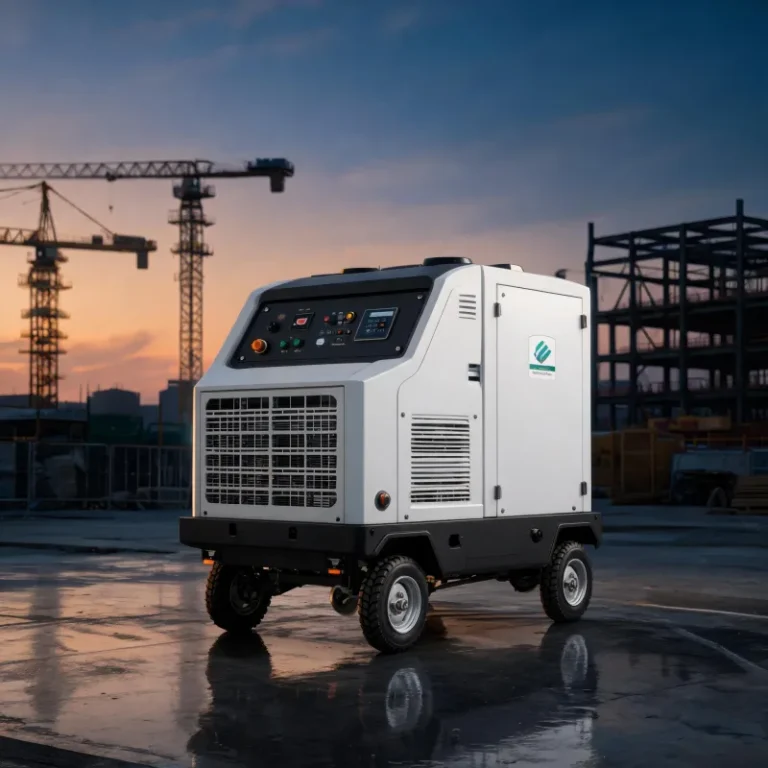
First, this compressor type is not suitable for outdoor unenclosed PET production. The sound-dampening housing that keeps noise levels low is not designed for prolonged exposure to rain, snow, or extreme temperature swings outside of -10°C to 40°C. Exposure to the elements will degrade the sound-dampening material in 1-2 years, leading to increased noise and premature failure.
In my experience, facilities that try to use indoor-rated silent compressors outdoors end up replacing them in two years, doubling their overall project cost.
Second, if your total continuous air demand exceeds 500 CFM for 5+ blow molding lines, a single unit will not cover your needs reliably. You’ll need a distributed system of multiple smaller silent units, or a centralized low-noise system designed for high volume production.
Actionable Selection Tips for Workshop Managers
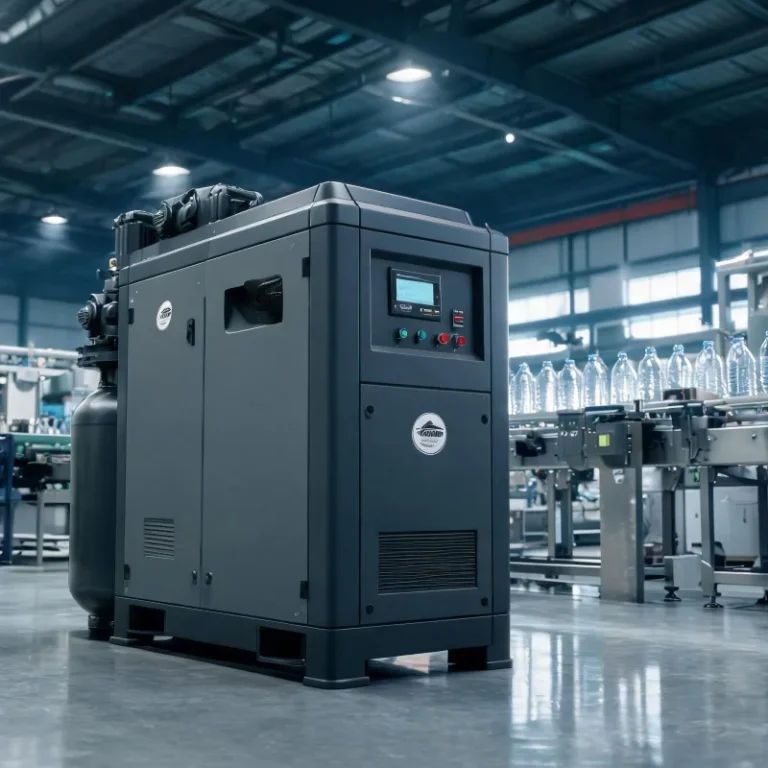
Calculate your total CFM and PSI requirement first, based on the number of active blow molding lines you run. Most 1-2 line small to mid-sized operations need between 100 and 300 CFM at 350 PSI, which fits a standard compact silent unit perfectly.
Prioritize units rated for 75 dBA or lower at 1 meter. This ensures you stay well under OSHA’s permissible exposure limit even if the compressor runs 8 hours a day directly next to your production line.
Choose a variable speed drive (VSD) model to capture the full 14-18% energy savings outlined in EIA 2024 data. Fixed speed models don’t deliver the same savings when production demand varies throughout the day, like for batch packaging runs.
Don’t overspend on extra features you won’t use for standard PET packaging work. Stick to proven models with a 5+ year warranty on the sound-dampening system.
Expert Insights
As a 12+ year industry expert, I recommend prioritizing noise compliance over low upfront cost for any indoor PET packaging workshop.
Further Reading
- Complete Compressed Air Solution for Small-Scale PET Bottle Blowing Plants
- High Pressure Two-Stage Air Compressors for PET Bottle Blowing Production Lines
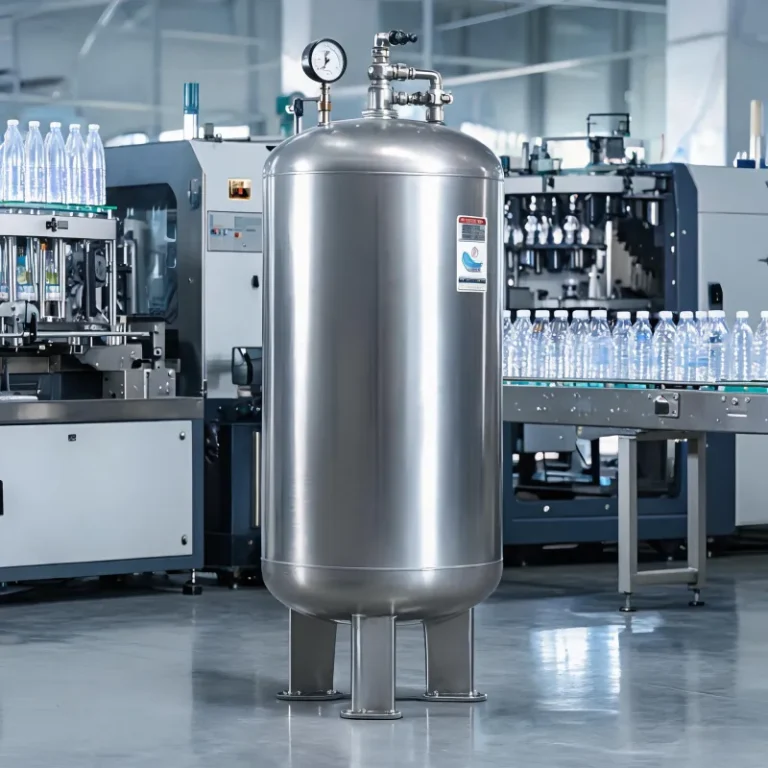
- Anti-Rust Stainless Steel Air Receiver Tanks for PET Bottle Blowing Lines
- Waste Heat Recovery Retrofit for PET Blowing Special Air Compressors
- Why Two-Stage Compression Is Essential for PET Bottle Blow Molding Workshops
- Multi-Machine Parallel Air Compressor Station Design for Mass PET Production
- Low Dew Point Air Compressor Systems for Food-Grade PET Container Production
- Water-Cooled Large Flow Air Compressors for High-Speed PET Bottle Factories
About the Author

Frequently Asked Questions
What noise level is acceptable for a silent compressor in an indoor PET workshop?
Most compliant units output 60 to 75 dBA at 1 meter, which meets OSHA's 8-hour exposure requirements for indoor workplaces.
What pressure rating do I need for PET bottle blowing?
Standard PET blow molding requires 300 to 400 PSI, which is the standard rating for these specialized compressors.
Are silent high pressure compressors more expensive than standard models?
Upfront cost is 15-25% higher, but energy savings and avoided compliance fines pay back the difference in 2-3 years on average.
Can I install this compressor directly next to my blow molding line?
Yes, the low noise and vibration levels allow for indoor installation close to production equipment, eliminating long pipe run pressure drops.
Do these compressors work for small batch PET packaging operations?
Yes, there are compact units sized for 1-2 line small workshops, as well as larger units for high volume production.
What applications are these compressors not suitable for?
They are not designed for outdoor unenclosed PET operations or applications requiring continuous pressure over 500 PSI.