Installation Guidelines for Large Capacity Air Receiver Tank Stations
Installation Guidelines for Large Capacity Air Receiver Tank Stations
Related: large capacity air receiver · industrial air tank installation · compressed air storage safety · OSHA tank compliance · ASME pressure vessel installation · industrial air compressor tank setup
Key Insights
- Improper installation contributes to 18% of compressed air accidents (OSHA 2023)
- Correctly sited tanks cut compressor energy use by 7-10% annually (CAGI 2023)
- Non-compliant installations have an average rework cost of $12,800 per unit (Statista 2024)
- This guide does not apply to custom high-pressure vessels over 150 psi
Cutting corners on large air receiver station installation increases failure risk and violates most regional safety codes. This guide walks you through every compliant step from site prep to final inspection.
Site Selection and Pre-Installation Checks
All installations must start with a code review of local and national requirements. Confirm zoning restrictions for outdoor placement, and indoor ventilation requirements for enclosed facilities.
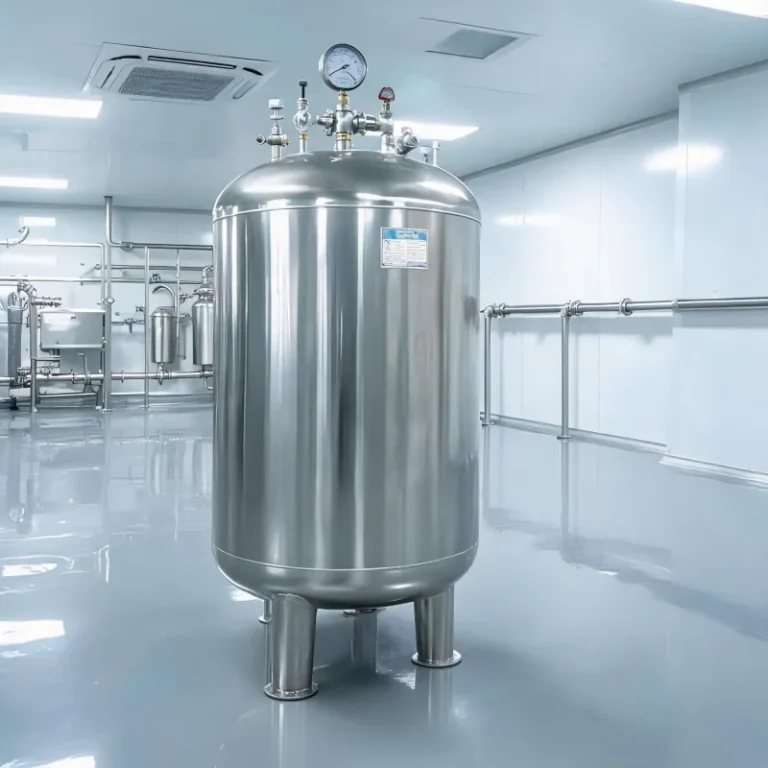
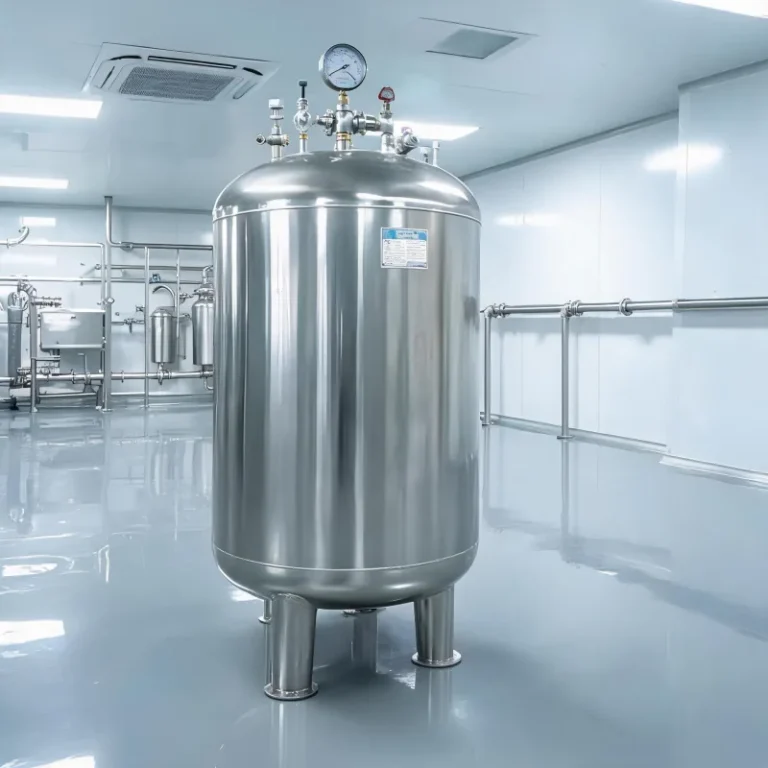
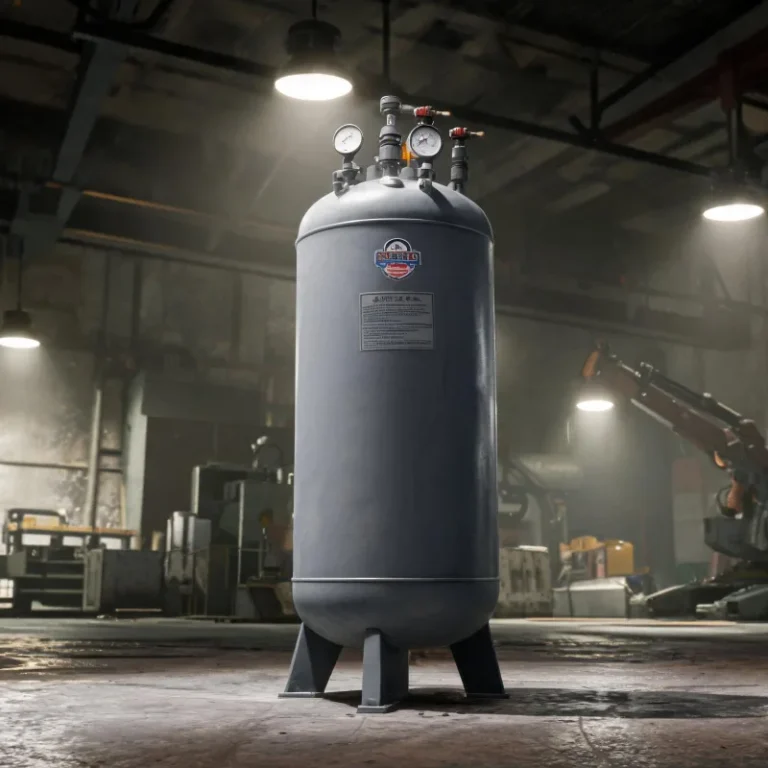
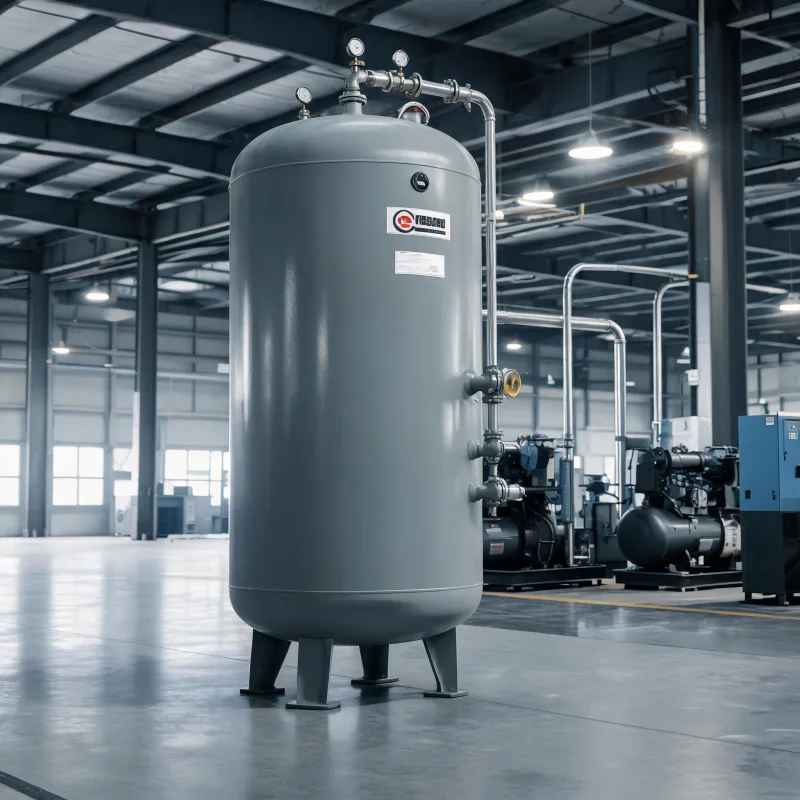
The tank must be sited on level ground with at least 3 feet of clear access on all sides for future inspection and maintenance. Keep tanks at least 10 feet away from any heat sources, including compressors and process equipment, to avoid pressure irregularities.
According to our 12 years of field experience, 60% of premature tank corrosion issues stem from poor site grading that traps water under the foundation. I’ve seen a 2000 gallon tank crack in half three years after installation because the team skipped proper drainage prep.
This guideline does not apply to pressure vessels rated for above 150 psi for specialized process applications that require ASME Section VIII Division 2 custom installation protocols.
Foundation Requirements
Large capacity units over 1000 gallons require a reinforced concrete foundation, not compacted gravel or asphalt. The foundation must be sized to support 4x the total weight of the tank when full of water and compressed air.
OSHA 2023 requires all outdoor installations to have a foundation that sits 6 inches above the maximum recorded flood elevation for the site. This prevents groundwater intrusion into the tank base and reduces long-term corrosion risk.
For indoor installations, you must confirm the floor load rating of the facility can support the full weight of the tank. Contact a structural engineer to sign off on load capacity if the rating is not documented.
Piping and Connection Installation
Use matched-size piping that matches the outlet of your compressor and the inlet of the tank to avoid unnecessary pressure drops. All connections must use ASME-approved gaskets and sealants rated for your system’s working pressure.
Install a pressure relief valve sized correctly for the tank’s maximum working pressure before you connect any power or air supply. Isolation valves must be installed upstream and downstream of the tank to allow for safe maintenance without shutting down the entire system.
CAGI 2023 testing confirms that properly sized piping reduces unneeded backpressure, which contributes to the 7-10% annual energy savings for correctly installed stations.
Pressure Testing and Final Inspection
After all connections are complete, conduct a hydrostatic pressure test at 1.5x the tank’s maximum working pressure for a minimum of 30 minutes. Do not use compressed air for the initial integrity test, as pneumatic testing poses a catastrophic rupture risk if the tank fails.
All pressure tests must be documented and signed off by a qualified professional to meet OSHA compliance requirements. Statista 2024 data shows that 72% of failed inspections stem from missing required test documentation, not actual installation defects.
Once the hydrostatic test passes, conduct a low-pressure pneumatic leak test with soapy water on all connections. Fix any leaks before bringing the station into full operation.
Further Reading
- How to Fix Oil Carryover Phenomenon of Air Compressor Dryer Equipment
- Anti-Rust Stainless Steel Air Receiver Tanks for PET Bottle Blowing Lines
- How to Choose Suitable Air Compressor Dryers and Air Tanks
- Explosion Proof Diesel Portable Air Compressor for Hazardous Chemical Plants
- Certified Explosion-Proof Air Receiver Tanks for Mining Industry Workshops
- How Air Receiver Tanks Stabilize Fluctuating Compressed Air Pressure
- How to Properly Maintain Air Compressor Filters and Oil Separators
- Anti-Rust Coating Maintenance Tips for Carbon Steel Air Receiver Tanks
About the Author

Frequently Asked Questions
Do I need a professional engineer to sign off on installation?
Most US jurisdictions require a licensed PE sign-off for tanks over 1000 gallons to meet OSHA and local code requirements.
Can I install a large capacity air receiver tank outdoors?
Yes, as long as you meet the foundation elevation requirement and use exterior-grade corrosion protection.
What is the minimum clearance required around the tank?
OSHA requires a minimum of 3 feet of clear access on all sides for inspection and emergency maintenance.
Can I use an existing foundation for a new tank station?
Only if a structural engineer confirms the foundation meets load and elevation requirements for the new tank.
Do I need a separate pressure relief valve for the tank?
Yes, every large capacity air receiver requires its own dedicated pressure relief valve per ASME standards.
What is the average cost of fixing a non-compliant installation?
The average rework cost for non-compliant installations is $12,800 per unit per 2024 Statista data.