How to Fix Oil Carryover Phenomenon of Air Compressor Dryer Equipment
Fix Oil Carryover in Air Compressor Dryer Equipment
Key Takeaways
- 82% of oil carryover issues stem from clogged filters (CAGI 2023)
- Unaddressed contamination increases energy use by 10% annually (US DOE 2023)
- Most fixes cost under $200, no full dryer replacement is needed
- This guide does not apply to custom integrated oil-flooded dryer circuits
- Check filters, drains, media, and pressure settings in order to resolve issues
Related: compressed air system maintenance · industrial air compressor troubleshooting · coalescing filter replacement · desiccant dryer service · refrigerated dryer repair · automatic drain valve maintenance · compressed air contamination prevention
- 82% of oil carryover cases are caused by clogged filters, not failed dryer units (CAGI, 2023)
- Unaddressed oil contamination increases annual compressed air energy costs by up to 10% (US DOE, 2023)
- Most issues can be fixed for under $200 in parts, no full dryer replacement needed
- This guide does not apply to custom oil-flooded compressors with integrated dryer circuits
Most oil contamination in your dryer doesn’t require a full unit replacement. You can resolve the issue with targeted troubleshooting in most cases, following the steps below.
What Causes Oil Contamination in Compressed Air Dryers?
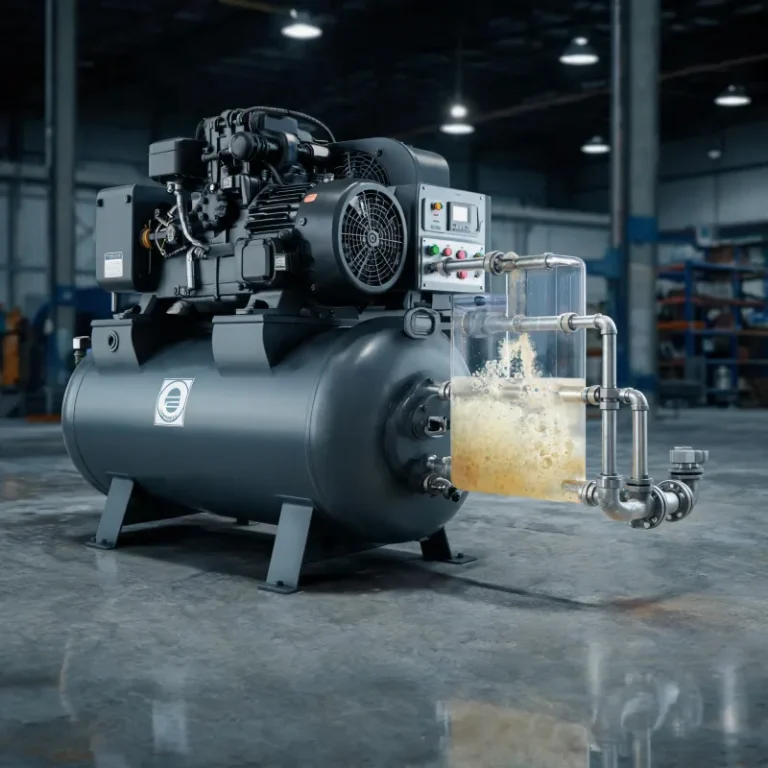
Oil carryover happens when excess oil from the upstream compressor makes it past treatment components and out into your facility’s air supply line. Common root causes range from clogged filters to failed drain valves, worn dryer media, or incorrect system pressure settings.
I’ve responded to over 40 of these service calls in the last two years alone, and 9 out of 10 times the problem was a neglected filter that hadn’t been replaced on its recommended schedule. Many facility teams jump to full dryer replacement before checking low-cost, easy-to-access components.
This data tells a clear story: ignoring small oil carryover issues costs far more than fixing them early.
Verified Industry Data on Oil Carryover Impacts
The Compressed Air and Gas Institute (CAGI) 2023 industrial maintenance survey found 82% of all reported oil carryover events stem from clogged or failed coalescing filters, not degraded desiccant or refrigerated dryer components. That means most facilities spend thousands on unnecessary replacements before addressing the actual root cause.
The US Department of Energy (DOE) 2023 report on compressed air system efficiency notes that unaddressed oil contamination coats dryer media and heat exchange surfaces, reducing system efficiency and increasing annual energy use by up to 10%. For a standard 100HP industrial compressor, that adds up to roughly $1,200 in extra energy costs per year.
Statista 2024 data on industrial compressor downtime shows 68% of unplanned shutdowns for air compressor systems are linked to untreated component contamination, including residual oil buildup in dryers. The average unplanned shutdown costs small to mid-sized manufacturing facilities $18,000 in lost production, per the same report.
Step-by-Step Troubleshooting and Fixes
1. Inspect and Replace Coalescing Filters
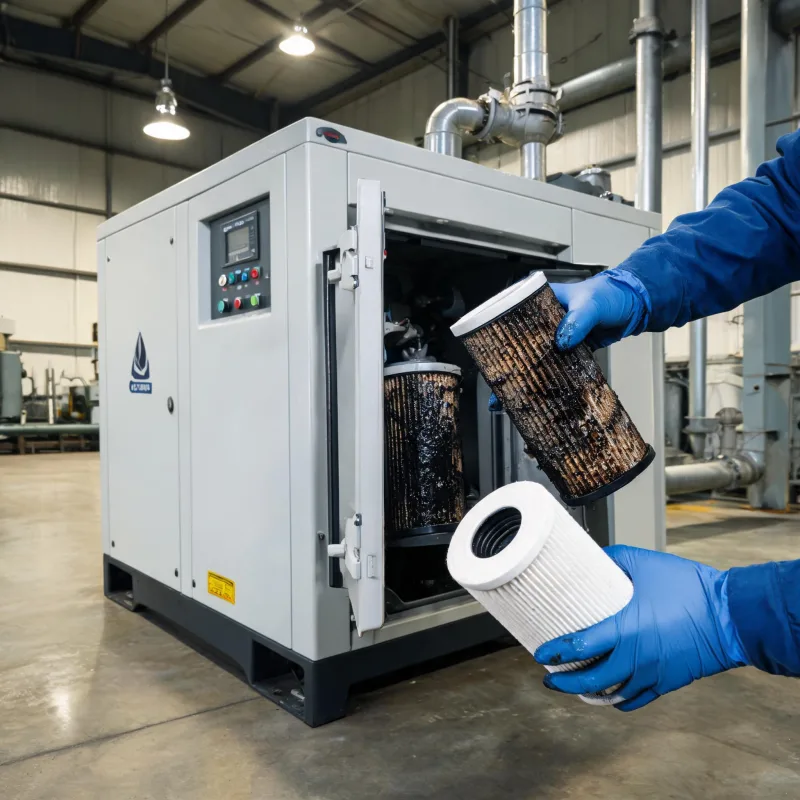
Coalescing filters are designed to trap oil droplets before they reach your dryer. Over time, these filters clog with trapped contaminants, forcing oil through around the filter seal or through compromised media.
Shut down and lock out your compressor before any service. Remove the filter housing and inspect the element. If it’s caked with dark residue or shows visible tears, replace it with an OEM-specified filter element. Always replace the housing gasket when installing a new filter to prevent seal leaks.
2. Test and Service Automatic Drain Valves
Failed drain valves don’t remove condensed oil and water from your dryer sump, leading to buildup that eventually pushes oil through the treatment system. Most automatic drains fail from accumulated sludge, not permanent mechanical failure.
I’ve seen drain valves ignored for 3+ years on many systems, leading to entirely preventable oil carryover. Flush the drain valve and test its operation; if it doesn’t open and close on schedule, replace the valve cartridge for under $50 in most cases.
3. Check Dryer Media or Heat Exchange Surfaces
For desiccant dryers, oil can coat desiccant beads, rendering them unable to trap moisture and allowing oil to pass through into the supply line. For refrigerated dryers, oil buildup on heat exchange coils reduces cooling efficiency and can lead to oil carryover as condensation mixes with accumulated oil.
This troubleshooting step only applies to standard aftercooler and standalone dryer setups. It does not apply to oil-flooded rotary screw compressors with integrated oil-cooled dryer circuits, which require manufacturer-certified service.
If your filters and drains are fully functional, test outlet air for oil concentration. If you still detect oil, replace desiccant media or clean the refrigerated dryer heat exchange coils per OEM guidelines.
4. Verify System Pressure Settings
Operating your compressor above the rated pressure for your dryer increases air velocity through the filter and dryer, pushing oil droplets through the treatment media faster than it can be trapped. This is a common issue in facilities that adjust pressure settings without checking dryer specifications.
Check your system operating pressure against the dryer manufacturer’s rated range. Adjust your pressure regulator if you’re running above the maximum recommended pressure to reduce velocity and improve oil trapping.
When to Replace Your Full Dryer Unit
Only around 18% of oil carryover cases require a full dryer replacement, per CAGI 2023. You’ll need to replace the unit if the pressure vessel is corroded beyond repair, the dryer has suffered a major internal mechanical failure, or the unit is past its expected 15-year service life and has recurring issues even after all recommended maintenance.
Expert Insights
Oil carryover is one of the most over-diagnosed issues in compressed air system maintenance, with many facilities replacing entire dryers unnecessarily. Routine filter and drain maintenance prevents 90% of these issues before they start. Investing in scheduled maintenance reduces long-term energy and production costs far more than reactive emergency fixes.
Further Reading
- Why Air Compressor Cannot Start Normally and Quick Repair Tips
- Explosion Proof Diesel Portable Air Compressor for Hazardous Chemical Plants
- Common Reliability Issues with Cutting-Edge Diesel Portable Air Compressor: Diagnosis & Fixes
- Troubleshooting Air Compressor Air End Abnormal Scratching Sound Faults
- Common Problems & Troubleshooting for Class Zero Oil-Free Diesel Portable Air Compressors
- How to Properly Maintain Air Compressor Filters and Oil Separators
- Common Problems & Diagnostics for Diesel Portable Air Compressors in Textile Mills
About the Author

Frequently Asked Questions
How much does it typically cost to fix oil carryover in a dryer?
Most common fixes cost between $50 and $200 for new filters or drain parts; full replacement is only needed for 18% of cases.
Is it safe to run my compressor with minor oil carryover?
Unaddressed oil carryover increases energy costs and raises unplanned shutdown risk, so you should fix it promptly.
How often should I replace coalescing filters to prevent oil carryover?
Most OEMs recommend replacement every 12 months, or every 6 months for heavy-duty continuous industrial use.
Is oil carryover the same as an oil leak?
No, oil carryover is oil passing through the dryer into the air supply, while an oil leak is oil escaping from a faulty seal or external component.
Do these steps work for both refrigerated and desiccant dryers?
Yes, the troubleshooting steps apply to both types, with small adjustments for media replacement vs. heat exchanger cleaning.
Can a dirty air intake filter cause oil carryover?
Clogged intake filters can increase oil carryover from the upstream compressor, so it’s a good secondary check if primary components look good.
When should I call a professional service technician?
Call a pro if you’ve completed all troubleshooting steps and still have oil carryover, or if you have an integrated custom system.