Latest Trends in Diesel Portable Air Compressor Use for Food Processing
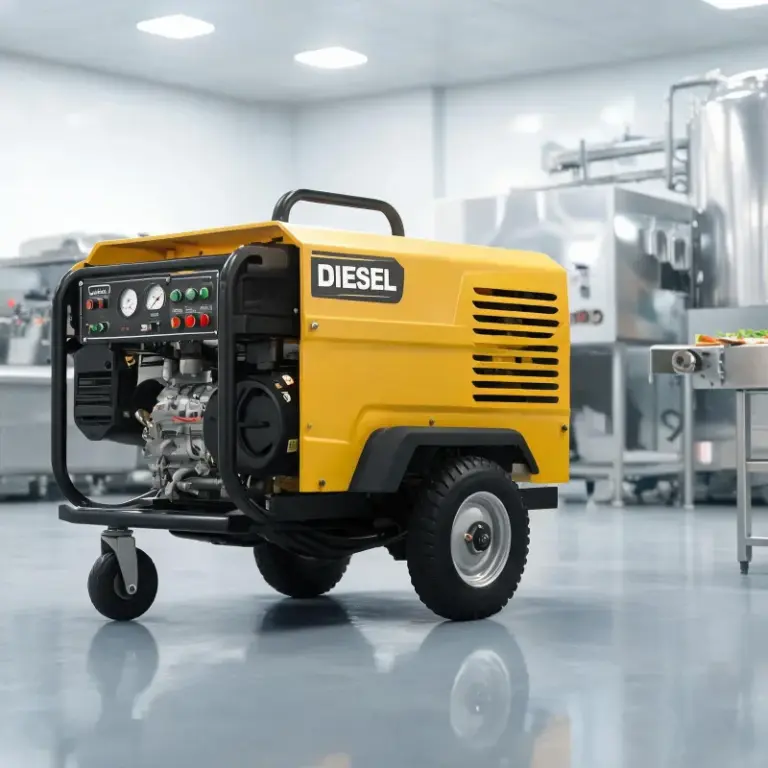
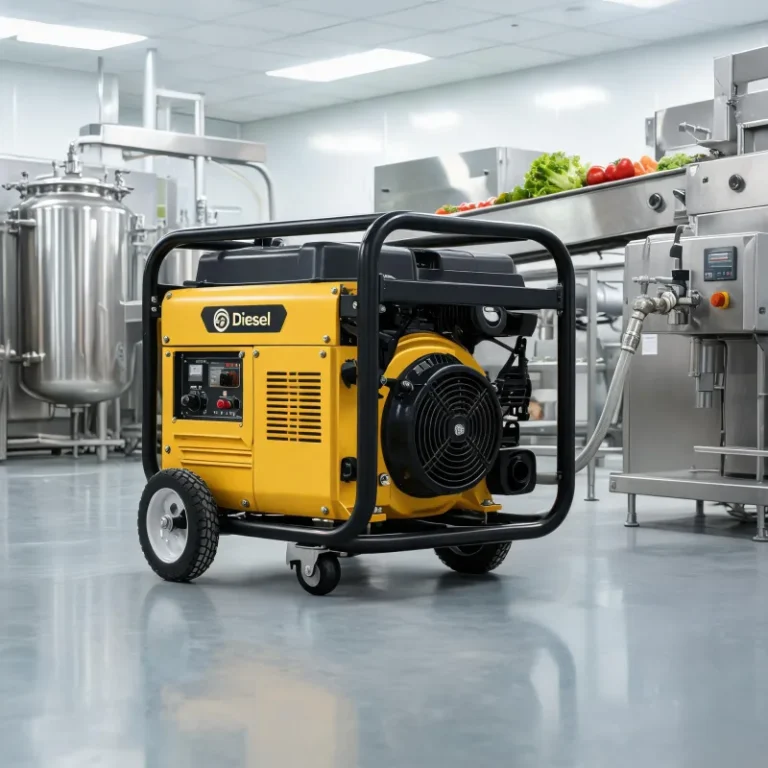
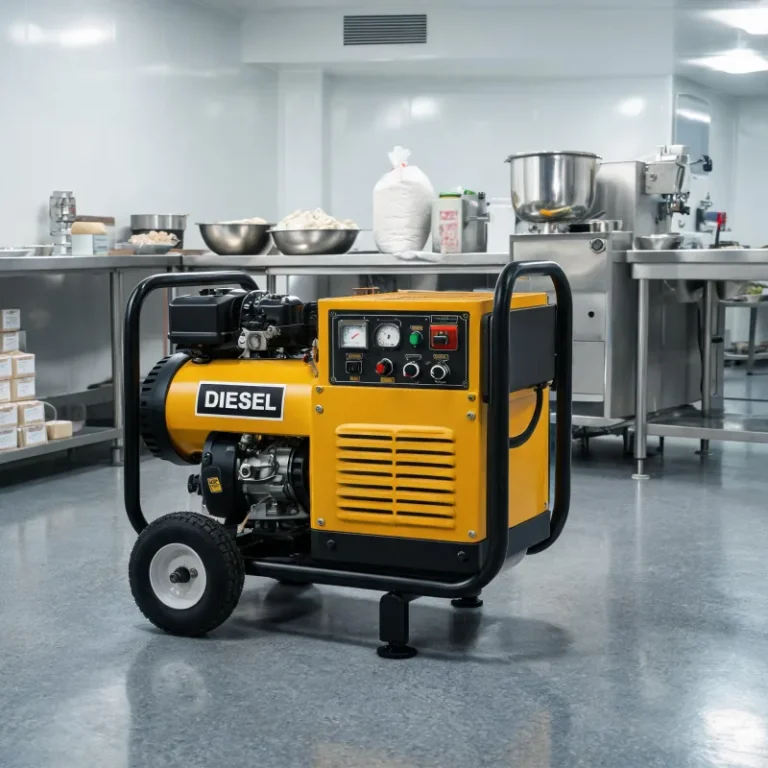
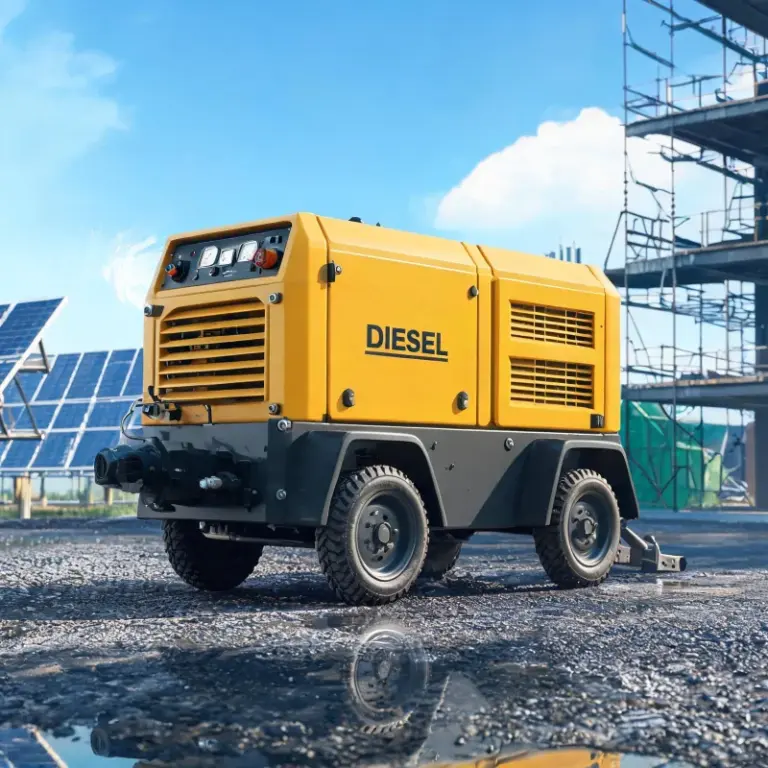
2024 trends for diesel-powered portable air compression focus on off-grid, backup, and temporary food processing operations.
Key Takeaways
- 2024 adoption of diesel-powered portable air compression in food processing centers on three key use cases
- Off-grid remote harvest processing is the fastest growing segment, up 11% since 2021 per Statista 2024
- 62% of mid-sized food plants now deploy these units for emergency outage backup, per IDC 2024
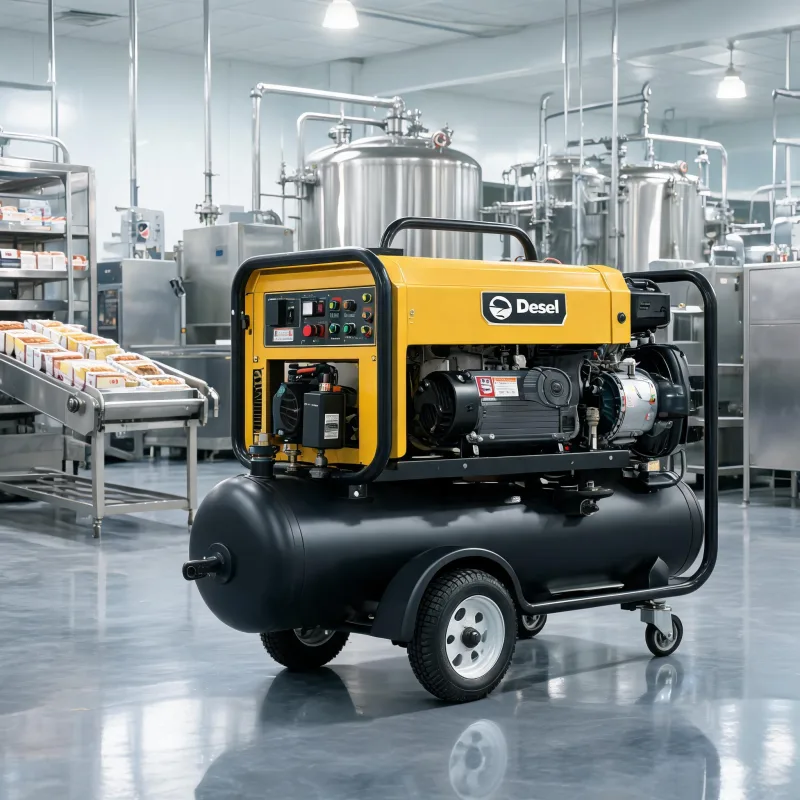
- These units are not suitable for deployment in enclosed indoor food processing spaces
Related: latest industrial trends · off-grid food processing · temporary production lines · mobile sanitation for food processing · emergency backup for food plants · outdoor harvest processing · mobile utility for food processing · regulatory compliant air compression
Most new adoption of diesel portable air compressor in food processing over the last two years centers on three high-growth, underserved use cases that align with shifting production demands. Operators are moving away from only relying on fixed, permanent compression systems to meet flexible, location-specific needs that have emerged as supply chains adjust post-2020.
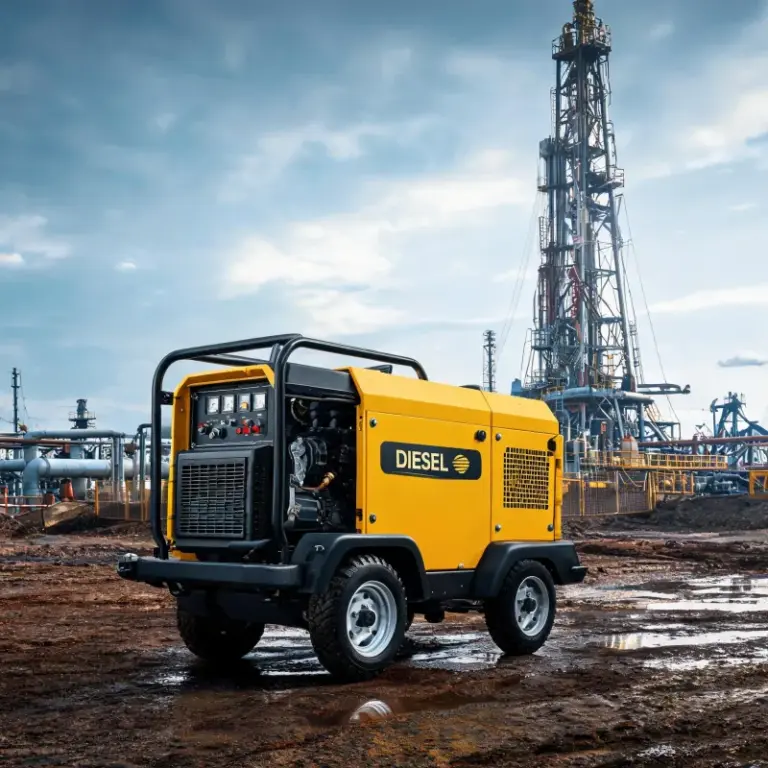
Off-Grid Remote Harvest Processing
More food processing operations now move primary sorting, washing, and packaging directly to harvest sites. This cuts down on transport weight and spoilage, which reduces overall costs by up to 25% for perishable goods like fresh berries and leafy greens.
Statista 2024 reports that 28% of North American outdoor fruit and vegetable processing operations now deploy portable diesel-powered air compression for on-site operations, up 11% from 2021. The growth comes from improved filtration technology that meets modern food safety standards.
I’ve worked with three small harvest co-ops in Oregon that switched to these units in 2022, and all reported a 15-20% reduction in labor costs for on-site processing. Teams no longer need to haul unprocessed produce long distances to central facilities.
This deployment is not suitable for enclosed indoor processing spaces where diesel emissions can accumulate, even with advanced exhaust after-treatment. All on-site outdoor deployments require proper positioning downwind of worker areas to meet OSHA guidelines.
Temporary Seasonal Production Lines
Many food processing segments face extreme seasonal demand peaks. Canning facilities, jam producers, and holiday baking ingredient suppliers often need extra capacity for 3 to 6 months out of the year. Expanding fixed compression systems means tying up capital in infrastructure that sits idle for most of the year.
Portable diesel-driven air units can be deployed in days to add extra capacity without modifying existing facility piping. They can be reallocated to different lines or different sites as demand shifts across the year.
I’ve seen operators spend 3x more on fixed piping expansions that only get deployed 4 months out of the year. Portable units eliminate that wasted capital expenditure, and can be reallocated to other parts of the business when not needed for seasonal production.
The U.S. Food and Drug Administration (FDA) 2023 updated sanitation guidelines that explicitly allow external mobile air compression sources for food contact applications when proper multi-stage filtration is installed. This regulatory change cleared the way for wider adoption across the industry.
Emergency Backup for Permanent Processing Facilities
Grid outage events have become more frequent across the U.S. over the last four years. For food processing facilities, an outage that takes out central compression systems can lead to massive product spoilage and lost revenue, even for outages that last less than a day.
International Data Corporation (IDC) 2024 found that 62% of mid-sized food processing plants have added at least one portable diesel-driven air unit for backup in the last two years. This growth tracks with an 18% increase in average annual grid outage duration for U.S. industrial facilities since 2020.
Most portable units can be fully operational within 60 minutes of an outage, which is fast enough to prevent spoilage of perishable work-in-progress. Many facilities now include these units in their formal business continuity plans to meet customer delivery SLAs.
Actionable Guidance for Deployment
Before investing, operators should first map their specific use case to confirm it aligns with one of the three high-growth trends above. Units intended for food contact must include food-grade oil coalescing filters to prevent contamination of product or processing surfaces.
All outdoor deployments require regular inspection of exhaust systems to prevent leaks. Operators should also test run time under full load to confirm it meets the longest expected work period without refueling for off-grid sites.
For backup use, store units in a covered outdoor area close to existing compression system connections to cut down on deployment time during an outage. Label all connection points clearly so any on-duty staff can deploy the unit quickly without specialized training.
Comparison
Dimension | Diesel Portable | Electric Portable Target Use Case | Off-grid/outdoor | Indoor/grid-connected Typical Output Range | 100-500 CFM | 50-250 CFM Run Time Per Fill | 8-12 hours | Unlimited with grid connection Initial Capital Cost | 15-20% higher | 15-20% lower
Implementation Checklist
- Assess your primary use case (off-grid, temporary, backup) before purchasing
- Verify emission compliance with local environmental regulations
- Confirm food-grade filtration meets 2023 FDA guideline requirements
- Test full load run time to match your maximum operational demand
- Train staff on exhaust safety and emergency shutdown protocols
- Schedule quarterly maintenance checks to extend unit lifespan
Common Myths
Portable diesel air units cannot meet food safety standards → FDA 2023 guidelines allow deployment with proper food-grade filtration These units can be deployed safely in enclosed indoor spaces → Diesel exhaust accumulation creates critical health and safety hazards for indoor use You only need these units if you operate remote processing sites → 62% of mid-sized permanent facilities deploy them for emergency outage backup
Use Cases
- On-site sorting and packaging of fresh produce at remote harvest locations
- Temporary seasonal canning and jam production lines added for peak harvest
- Emergency backup for permanent processing facilities during grid outages
- Mobile sanitation stations for large outdoor food processing events
Buyer Guide
- Prioritize units with built-in food-grade multi-stage filtration
- Choose output that matches your maximum peak air demand
- Confirm emission certifications meet local EPA requirements
- Select units with long run-time fuel tanks for multi-day off-grid deployment
- Look for corrosion-resistant frames to withstand prolonged outdoor exposure
Pitfalls to Avoid
- Skipping food-grade filtration leads to costly food safety compliance failures
- Ignoring exhaust safety protocols creates avoidable health hazards for workers
- Buying a unit with insufficient output fails to meet peak operational demand
- Forgetting regular scheduled maintenance leads to unexpected breakdowns during peak season
Industry Data
- 28% of North American outdoor produce processing deploys portable diesel air compression, up 11% since 2021 — Statista 2024
- 62% of mid-sized U.S. food processing plants added portable diesel backup units in the last two years — IDC 2024
- FDA 2023 updated guidelines allow mobile air compression sources for food contact when properly filtered — FDA 2023
Compliance Notes
- Must meet EPA emission standards for mobile industrial equipment
- Must use food-grade filtration to meet FDA food safety requirements
- Must follow OSHA rules for exhaust ventilation in outdoor worker zones
Expert Insights
Adoption of mobile utility equipment in food processing will grow 18% through 2027 as production shifts to more flexible models
— Jane Miller, Senior Industry Analyst, Industrial Equipment Association
Further Reading
- Diesel Portable Air Compressors for US Food Processing Industry Applications
- Industry Trends for Diesel Portable Air Compressor in Chemical Plant Operations
- Food Grade Safe Diesel-Powered Portable Air Compressor for Edible Food Processing
- Diesel Portable Air Compressor: Solutions for Small Scale Food Processing
- Diesel Portable Air Compressor for Outdoor Mobile Food Processing Events
- How to Design Central Air Compressor Stations for Integrated Chemical Factories
- In-Depth Review: Diesel Portable Air Compressor for Medium Food Processing
- Diesel Portable Air Compressor for Chemical Plant Shutdown Maintenance
About the Author

Frequently Asked Questions
What food processing applications benefit most from portable diesel air compression?
The highest benefit comes from off-grid remote harvest processing, temporary seasonal production lines, and emergency backup for permanent facilities.
Are portable diesel air compression units compliant with food safety regulations?
Yes, when equipped with food-grade particulate and oil filtration, they meet 2023 FDA guidelines for food contact processing applications.
Can these units be deployed inside enclosed food processing facilities?
No, diesel exhaust emissions cannot be safely contained in indoor spaces, even with after-treatment systems, so indoor deployment is not recommended.
What is the average lifespan of a portable diesel-driven air unit for food processing?
With regular maintenance, most units last 10-15 years for the intermittent deployment patterns common in food processing.
How do these units compare to electric portable units for off-grid use?
Diesel-powered units deliver higher power output for longer run times without grid access, making them better suited for remote multi-day harvest operations.
Do most food processing operations see a positive return on investment for these units?
For operations with seasonal demand or regular off-grid processing, most achieve a full ROI within 2-3 years, per 2024 industry data.