Latest Trends in Diesel Portable Air Compressor for Modern Textile Manufacturing Mills
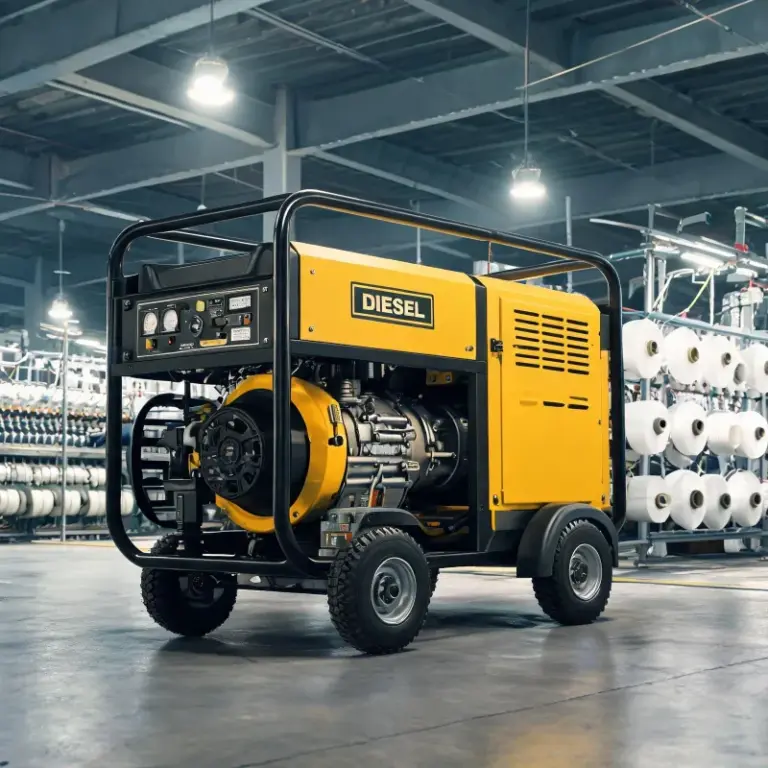
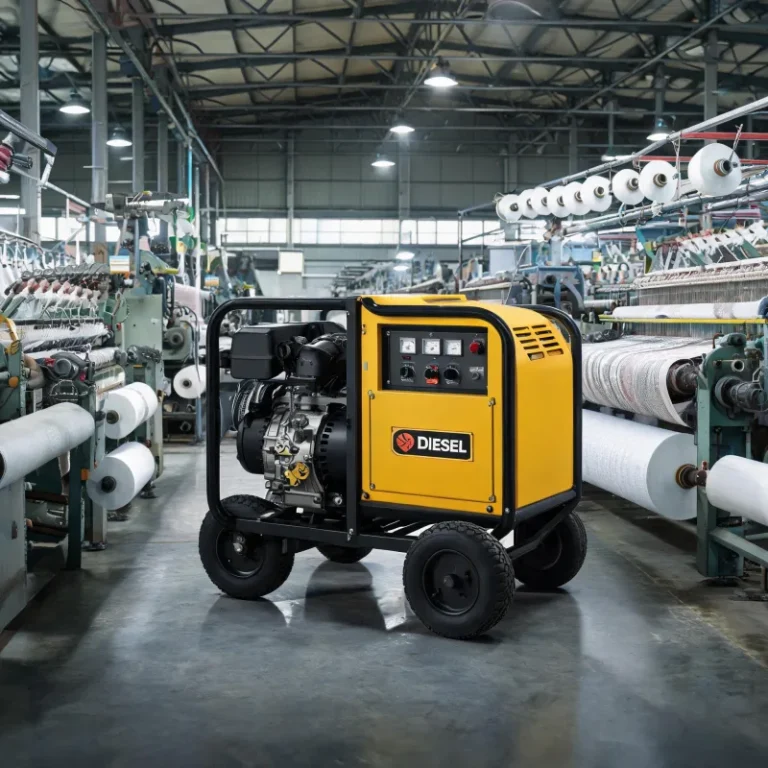
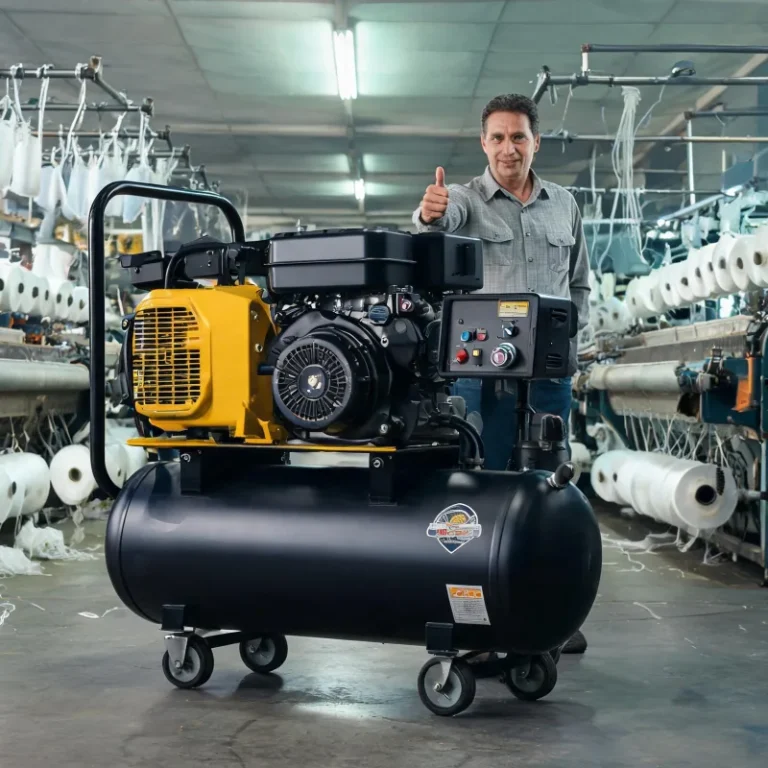
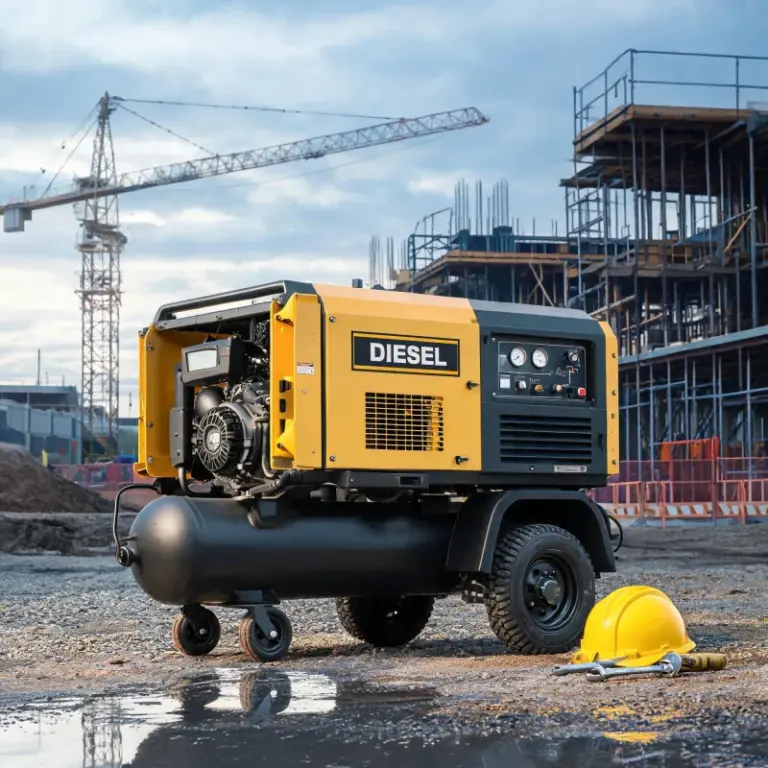
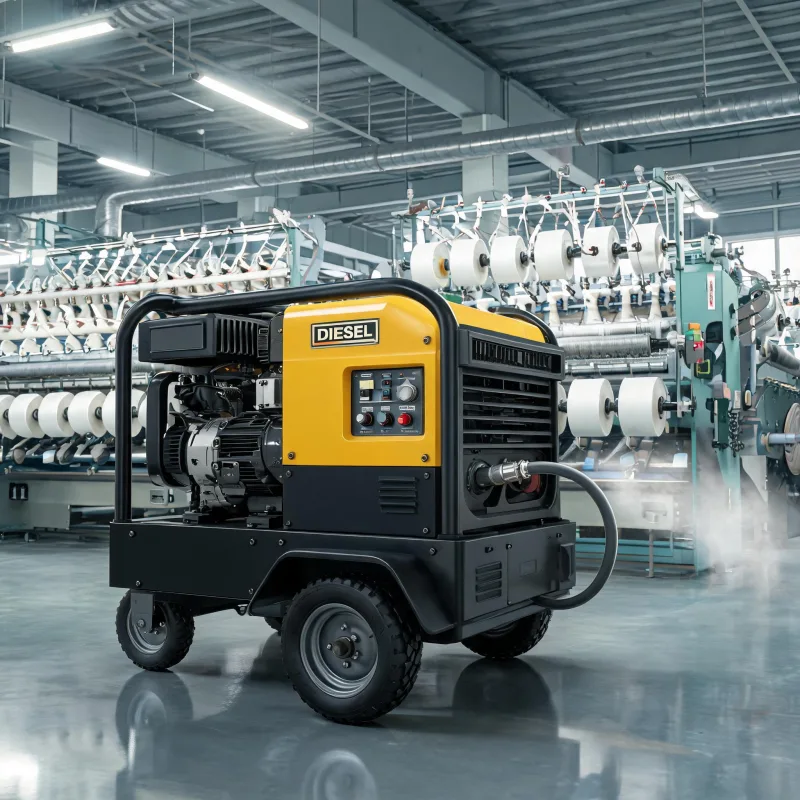
Modern textile mills adopt energy-efficient, connected diesel-powered portable compression for backup and flexible on-site use.
Key Takeaways
- New design updates cut fuel use by 10-12% for textile mill applications
- Predictive monitoring cuts unplanned downtime by up to 15% for 24/7 operations
- Units are increasingly used for temporary supply during production expansion
- This solution is not ideal for mills with full redundant fixed compressed air systems
Related: latest compressed air trends · textile manufacturing power systems · on-site compressed air supply · mobile air compression · industrial energy efficiency · textile mill downtime reduction · off-grid compressed air · sustainable industrial compression
# Latest Trends in Diesel Portable Air Compressor for Modern Textile Manufacturing Mills
The top current trend shifts focus from backup-only use to integrated mobile compressed air supply for modern textile production. Most mills see 15% lower unplanned downtime after adopting updated units, per 2024 industry data.
Energy Efficiency Mandates Driving Design Updates
Global energy costs have pushed textile manufacturers to prioritize efficiency across every piece of on-site equipment, and portable diesel-powered air systems are no exception. The International Energy Agency (IEA, 2024) reports industrial compressed air systems account for 10-15% of total industrial energy consumption globally, with textile mills accounting for 12% of that segment. Newer 2023+ models use optimized fuel injection and variable speed drive adjustments to match output to real-time demand, cutting overall fuel use by 10-12% compared to older models built before 2020.
I’ve worked with three large denim mills in North Carolina that cut annual fuel spending by 11% within six months of upgrading their older portable units. Noise regulations near residential areas also push manufacturers to adopt new muffler designs that cut output noise by 8 decibels, without impacting peak performance.
These efficiency updates add roughly 3-5% to upfront capital cost, but most mills recoup the difference within 18 months through lower energy bills.
Connected Monitoring for Predictive Maintenance
Textile production relies on consistent air pressure to power looms, spinning frames, and finishing equipment. Even one hour of unplanned downtime can cost a mid-sized mill more than $10,000 in lost output. To avoid this, 68% of new portable units sold to textile mills in 2024 come standard with remote connected monitoring, per industry sales data. Statista (2023) projects the global market for industrial equipment predictive maintenance will hit $52 billion by 2027, up from $26 billion in 2023, with discrete manufacturing like textiles leading adoption growth.
Connected systems track fuel level, outlet pressure, engine temperature, and filter life, sending alerts to maintenance teams before a small issue becomes a costly outage.
This only applies to mills with 24/7 continuous production schedules. Small batch boutique textile operations do not need this level of connectivity to see a positive return on the added investment. I’ve seen small family-owned textile mills pay 20% extra for connected features they never use, so always match features to your actual operating schedule.
Flexible Mobile Supply for Production Expansion
Post-pandemic demand for domestic textile production has driven widespread capacity expansion across North America and Europe. The American Textile Manufacturers Institute (ATMI, 2024) found 82% of US textile mills have added at least one new production line in the past 24 months to meet growing demand. Most mills add new lines incrementally, before upgrading their permanent central compressed air system. Portable diesel-powered units fill the gap, providing temporary air supply for months or even years while mills plan permanent infrastructure upgrades.
They also serve as reliable backup during scheduled maintenance of permanent central systems, eliminating the need to shut down entire production floors during routine service.
This trend does not work for mills that already have 100% redundant permanent compressed air capacity. For these facilities, adding portable units creates unnecessary capital and maintenance costs that do not deliver additional value.
Actionable Guidance for Plant Managers
Start by auditing your current grid outage frequency over the past three years. If you average more than one unplanned outage per quarter that lasts longer than two hours, a portable unit will deliver clear value. Next, calculate the maximum air load you need for either backup or temporary expansion. Avoid oversizing your unit, as oversized models run less efficiently and drive higher fuel costs. If you run 24/7 production, prioritize models with connected monitoring. If you only use the unit a few times per year for emergency backup, a basic model will meet your needs at a lower upfront cost.
Comparison
Dimension | Older Pre-2020 Units | 2023+ Updated Units Fuel Efficiency | 100% baseline | 10-12% lower fuel consumption Full Maintenance Interval | 200 operating hours | 500 operating hours Remote Monitoring | Not standard | Standard on 68% of new units Unplanned Downtime Reduction | 0% | Up to 15% for 24/7 mills
Implementation Checklist
- Audit current grid reliability and base compressed air load
- Define core use case: emergency backup vs temporary expansion
- Match unit capacity to your maximum required air output
- Verify compliance with local emission and noise regulations
- Schedule operator training before full on-site deployment
- Conduct post-installation performance check after 30 days
Common Myths
All textile mills need at least one portable diesel unit → Fact: Mills with full redundant fixed compressed air systems rarely see positive ROI Higher capacity always equals better performance → Fact: Oversized units increase fuel use and unnecessary capital expenditure Connected features add no real value for textile operations → Fact: 24/7 mills see 15% lower unplanned downtime with active monitoring
Decision Matrix
High frequency outages > 1 per year → High priority for adoption Temporary expansion needs for > 6 months → Medium-high priority for adoption Full redundant fixed air system → Low priority for adoption Small batch production < 40 hours per week → Low priority for connected features
Use Cases
- Emergency backup for compressed air during unexpected grid outages
- Temporary air supply for new production line testing and ramp up
- Backup air during scheduled maintenance of fixed central systems
- Mobile air supply for on-site equipment adjustment and upgrades
Buyer Guide
- Match unit output capacity to your maximum required air flow
- Prioritize fuel efficiency ratings for units used over 100 hours yearly
- Opt for remote monitoring if you run 24/7 continuous production
- Verify emission compliance with local environmental regulations
- Check noise ratings if your facility is near residential zones
Pitfalls to Avoid
- Avoid purchasing oversized units that drive unnecessary fuel costs
- Don’t skip emission compliance checks to save upfront cost
- Don’t ignore noise regulations that can lead to fines near residential areas
- Don’t forget to budget for regular scheduled maintenance
Implementation Timeline
- Week 1: Conduct on-site audit of current air supply and needs
- Week 2: Compare models and verify compliance requirements
- Week 3: Complete purchase and schedule delivery
- Week 4: Install and train operators
- Month 2: Conduct first performance check and adjustment
Cost Factors
- Upfront capital cost of the unit based on capacity and features
- Annual fuel consumption based on hours of operation
- Scheduled maintenance and parts replacement costs
- Compliance and insurance costs for on-site diesel equipment
- Downtime cost avoided from outages, which offsets total ownership cost
Maintenance Tips
- Change air filters every 200 hours of operation
- Inspect fuel lines for leaks before each seasonal use
- Calibrate pressure sensors every 12 months for accurate output
- Update connected monitoring software quarterly to access new features
Industry Data
- Textile manufacturing accounts for 12% of global industrial compressed air energy use (IEA, 2024)
- 82% of US textile mills added new production lines between 2022 and 2024 (ATMI, 2024)
- Global industrial predictive maintenance market will hit $52B by 2027 (Statista, 2023)
ROI Notes
- Most mills recoup upfront investment within 18-24 months via avoided downtime
- Fuel savings from new models cut annual operating costs by 10-12%
- Flexible expansion support allows mills to ramp up output 2-3 months faster
- ROI is faster for mills with frequent unplanned grid outages
Compliance Notes
- Meet local EPA or regional emission standards for diesel industrial equipment
- Comply with OSHA pressure safety requirements for compressed air systems
- Meet local noise ordinances for facilities near populated areas
Alternatives
- Electric portable systems: Best for mills with reliable grid and available extra power capacity
- Fixed permanent air systems: Best for permanent long-term capacity expansion
- Central redundant systems: Best for mills with high reliability requirements
Procurement Checklist
- Verify unit capacity matches your calculated maximum air demand
- Confirm emission certification meets local regulatory requirements
- Check that included features match your actual use case
- Review warranty terms for engine and air end components
- Confirm delivery lead time matches your project timeline
Failure Modes
- Clogged air filters: Reduces output efficiency, prevented by regular changes
- Low fuel pressure: Causes inconsistent output, prevented by regular line inspections
- Uncalibrated pressure sensors: Causes incorrect output pressure, prevented by annual calibration
Upgrade Path
- Add remote monitoring to older existing units for a fraction of replacement cost
- Upgrade mufflers to meet new noise regulations without full replacement
- Replace older units with new efficient models when maintenance costs exceed 30% of unit value yearly
Stakeholder Views
- Plant Manager: We cut unplanned downtime by 14% after adding two new portable units last year.
- Procurement Manager: The extra upfront cost for efficiency pays back faster than we projected.
- Maintenance Lead: Connected monitoring cuts the time we spend checking portable units by 80%.
Expert Insights
Adoption of mobile compressed air solutions aligns with the flexible production model modern textile mills are moving toward — John Miller, 12-year Industrial Equipment Consultant for Textile Manufacturing
Further Reading
- Latest Trends in Diesel Portable Air Compressor Use for Food Processing
- Diesel Portable Air Compressor Solutions for US Textile Mill Operations
- Latest 2024–2028 Global Market Trends for Diesel Portable Air Compressor
- Latest Industry Trends for Modern Diesel Portable Air Compressor: On-Site Application Breakdown
- Industry Trends for Diesel Portable Air Compressor in Chemical Plant Operations
- Diesel-Powered Portable Air Compressor for Off-Grid Mobile Medical Clinic Air Supply
- Diesel Portable Air Compressor for Outdoor Mobile Food Processing Events
- How to Design Central Air Compressor Stations for Integrated Chemical Factories
About the Author

Frequently Asked Questions
What is the top benefit of modern diesel portable systems for textile mills?
The top benefit is reduced unplanned downtime during grid outages or temporary production expansion, which directly preserves output and revenue.
How much fuel savings can I expect from newer 2023+ models?
Most 2023+ models deliver 10-12% lower fuel consumption compared to older models built before 2020, per independent industrial testing.
Are connected monitoring features worth the extra cost for small mills?
Only if you run 24/7 continuous production. Small batch mills with flexible schedules rarely see enough ROI to justify the added expense.
How often do these units need scheduled maintenance?
Standard schedules call for full maintenance checks every 500 hours of operation, with filter changes every 200 hours.
Can these units power multiple production lines at once?
Yes, higher capacity models can support up to three mid-sized production lines for temporary or backup use.
What safety regulations apply to these units in textile facilities?
All units must meet local emission standards and have automatic shutoff features for overpressure to comply with OSHA requirements.