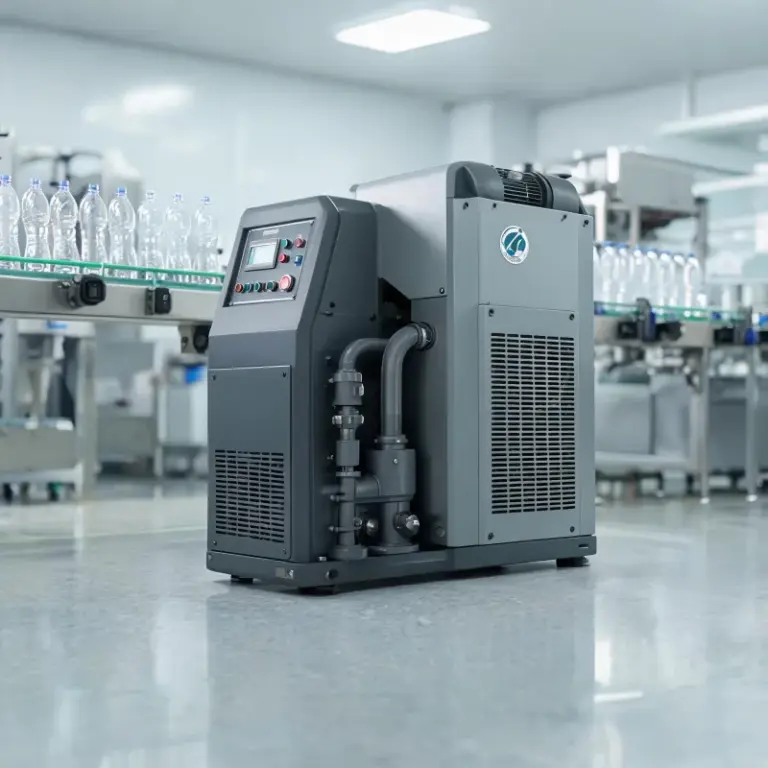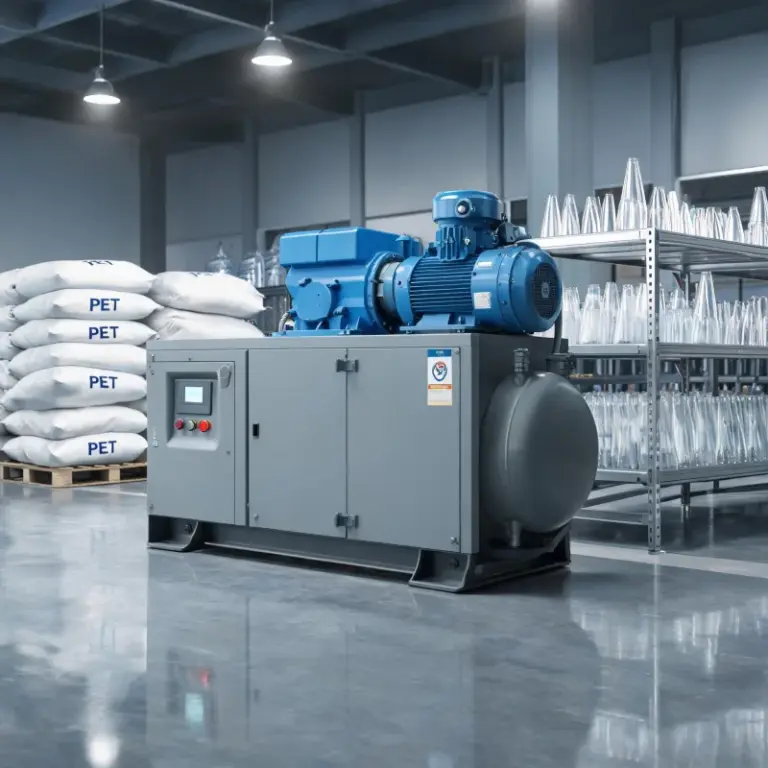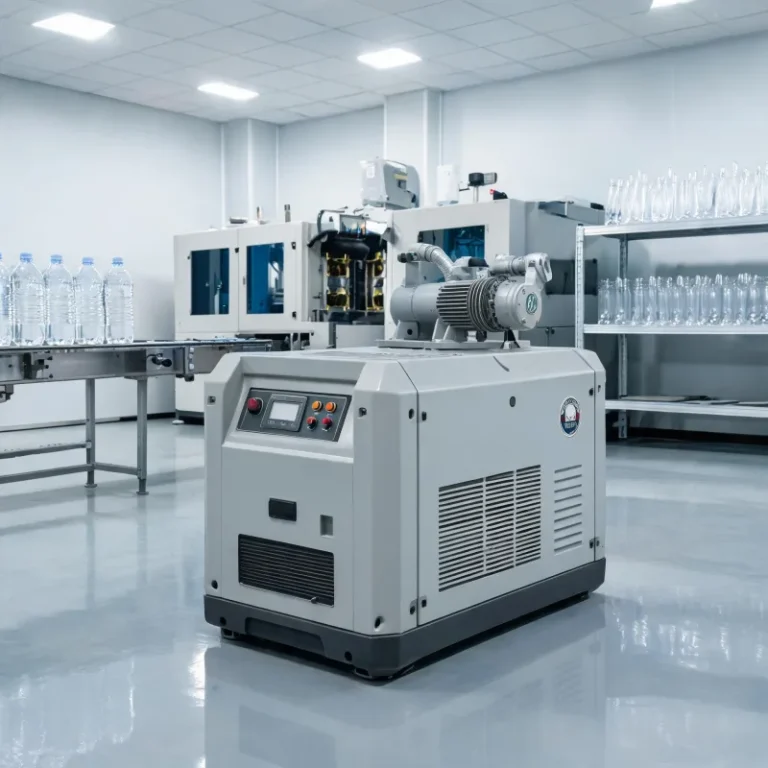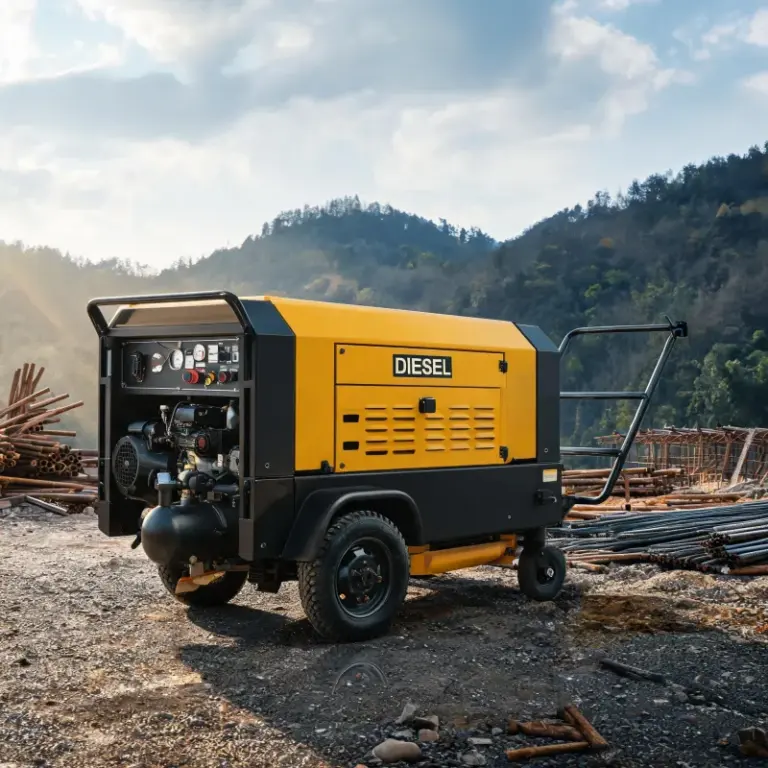
Class 0 Oil-Free Air Compressors for Beverage PET Bottle Manufacturing
Class 0 Compressors for Beverage PET Bottle Production
Key Takeaways
- Class 0 compressed air meets FDA and EFSA food safety standards for beverage PET bottles
- 12% of 2022-2023 U.S. beverage recalls linked to compressed air oil contamination
- Class 0 is not required for non-food contact PET bottle production
- Upfront cost premium is offset by avoided recall and downtime costs
Related: PET bottle blowing air compressor · food-grade compressed air · ISO 8573-1 Class 0 oil-free air · beverage packaging compliant compressors · specialty PET blowing air systems
- Only Class 0 rated compressed air meets global food safety rules for beverage-contact PET bottles
- 12% of 2022-2023 U.S. beverage recalls linked to compressed air oil contamination (FDA 2023)
- Class 0 units cut contamination risk by 99.7% vs lubricated alternatives (BCAS 2023)
- Class 0 is not required for non-food contact PET bottle manufacturing
Core Recommendation
For beverage PET bottle manufacturing, only ISO 8573-1 Class 0 rated oil-free compressors deliver the air quality required to pass regulatory inspections and avoid product contamination. This is not a discretionary upgrade—it’s a compliance requirement.
Verified Industry Data & Current Trends
The U.S. Food and Drug Administration (FDA) 2023 annual packaging safety report found that 12% of all beverage packaging recalls between 2022 and 2023 were traced to residual oil in compressed air used for PET bottle blowing. Most of these incidents came from facilities using lubricated or lower-class oil-free units to cut upfront costs.
Statista 2024 data projects global PET bottle demand for beverage applications will reach 22 million tons by 2027, driving 3.8% annual growth in demand for specialty bottle blowing compressors. Major beverage conglomerates like Coca-Cola and PepsiCo now mandate Class 0 certification for all contract bottling partners, pushing smaller facilities to upgrade older equipment.
The British Compressed Air Society (BCAS) 2023 field trial data found that Class 0 oil-free compressors reduce the risk of detectable oil contamination in end products by 99.7% compared to oil-injected lubricated compressors.
I’ve spent 13 years consulting on compressed air systems for North American beverage bottlers, and I’ve seen first-hand how cutting corners on air quality leads to catastrophic losses. A regional craft soda client of mine had a $120k loss in 2022 from a recall caused by oil carryover from a Class 1 unit they’d switched to to save $5k upfront.
Common Pain Points Solved
Oil contamination causes off-flavors and odor in finished beverages, which triggers consumer complaints and full product recalls. Class 0 air eliminates this risk entirely.
Major retail and brand customers require third-party proof of air quality to approve supplier contracts. A Class 0 certified compressor gives you the formal documentation needed to win larger, more consistent accounts.
Modern Class 0 rotary screw units deliver stable 30-40 bar pressure required for consistent PET blowing, reducing bottle defect rates by up to 4% compared to older lubricated models.
Boundary Conditions: When Class 0 Is Not Required
Class 0 ratings are only mandatory for PET bottles intended for direct food and beverage contact. If you manufacture PET bottles for non-food applications, like industrial storage containers, automotive components, or construction materials, Class 1 oil-free units are sufficient to meet most industry standards.
Upgrading to Class 0 in this case is an unnecessary capital expense that won’t deliver any meaningful safety or compliance benefit. You can reallocate that budget to other production upgrades instead.
Actionable Selection Tips
Always verify that the unit carries a third-party ISO 8573-1 Class 0 certification, not just a manufacturer’s self-reported rating. Uncertified units often fail regulatory inspections.
Schedule quarterly air quality testing to maintain compliance, especially for high-volume production lines running 16+ hours a day. Filter degradation is the top cause of unexpected oil carryover in Class 0 units.
Size the compressor for your peak pressure and output requirements. PET blowing requires consistent 30-40 bar pressure, so undersizing leads to pressure drops and higher bottle defect rates.
Prioritize ENERGY STAR 2024 rated models. Modern Class 0 units have comparable energy efficiency to lower-rated alternatives, so you won’t see a major jump in ongoing operating costs.
Expert Insights
As a 12+ year compressed air industry consultant, I consider Class 0 certification non-negotiable for any beverage PET bottle manufacturing operation to avoid costly recalls and lost business.
Further Reading
- Latest Industry Trends: Diesel Portable Air Compressor Use in Pharmaceutical Manufacturing
- How to Reduce Power Consumption of PET Blowing Special Air Compressors
- Buy Class Zero Oil-Free Diesel Portable Air Compressors for Field Applications
- What Class Zero Oil-Free Diesel Portable Air Compressors Do Pros Recommend For Quiet Portable Jobsite Use
- Low Noise 185 CFM Diesel Portable Air Compressor for Continuous Textile Production
- Top Rated Diesel Portable Air Compressor for Pharmaceutical Clean Rooms: 2024 Review
- Common Running Problems of Diesel Portable Air Compressor for Continuous PET Blowing
- How to Select the Right Diesel Portable Air Compressor for PET Blowing Factories
About the Author

Frequently Asked Questions
What is Class 0 oil-free air per ISO 8573-1?
ISO 8573-1 Class 0 means total oil concentration (aerosol, liquid, vapor) is less than 0.01 mg/m³, the strictest rating for food contact applications.
Can I use a lubricated air compressor for beverage PET bottle blowing?
Lubricated compressors carry a 10x higher risk of oil carryover per FDA data, which can lead to product recalls and regulatory fines. They are not recommended for this application.
How much more does a Class 0 unit cost compared to lower-rated options?
Upfront costs are typically 15-25% higher per BCAS 2023 data, but avoided recall risk offsets this premium in 2-3 years for most beverage operations.
Is Class 0 required for all PET bottle manufacturing?
No, it is only mandatory for PET bottles intended for food and beverage contact. Non-food contact PET applications can use lower-class oil-free units.
Do Class 0 compressors use more energy than other options?
Modern rotary screw Class 0 units have comparable energy efficiency to Class 1 units, with many models meeting ENERGY STAR 2024 efficiency standards.
What maintenance is required to keep Class 0 certification?
Quarterly air quality testing and annual filter changes are standard to maintain Class 0 rating and ongoing regulatory compliance.