Upcoming 2025 New Diesel Portable Air Compressor Models: Trends & Breakdown
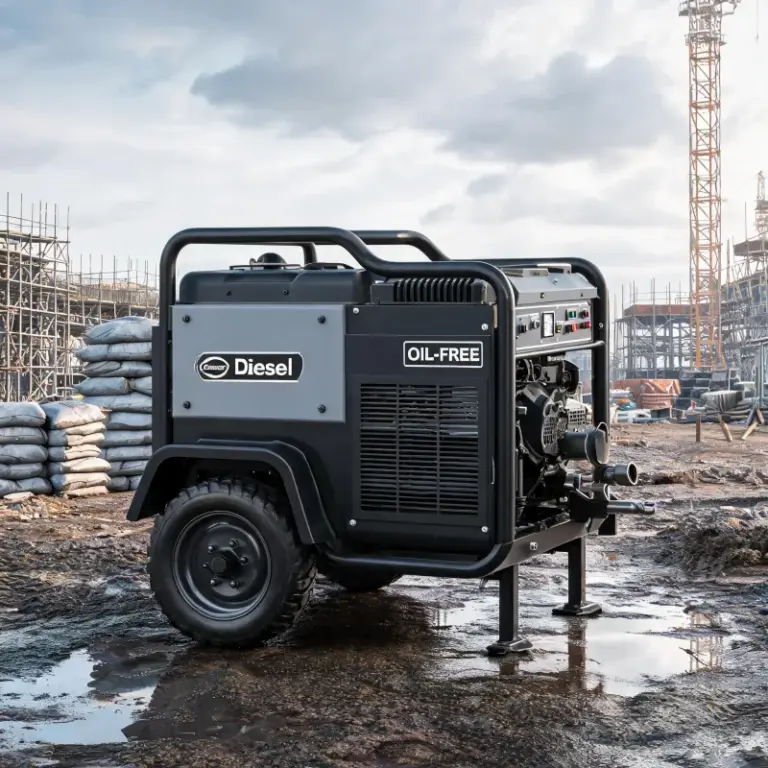
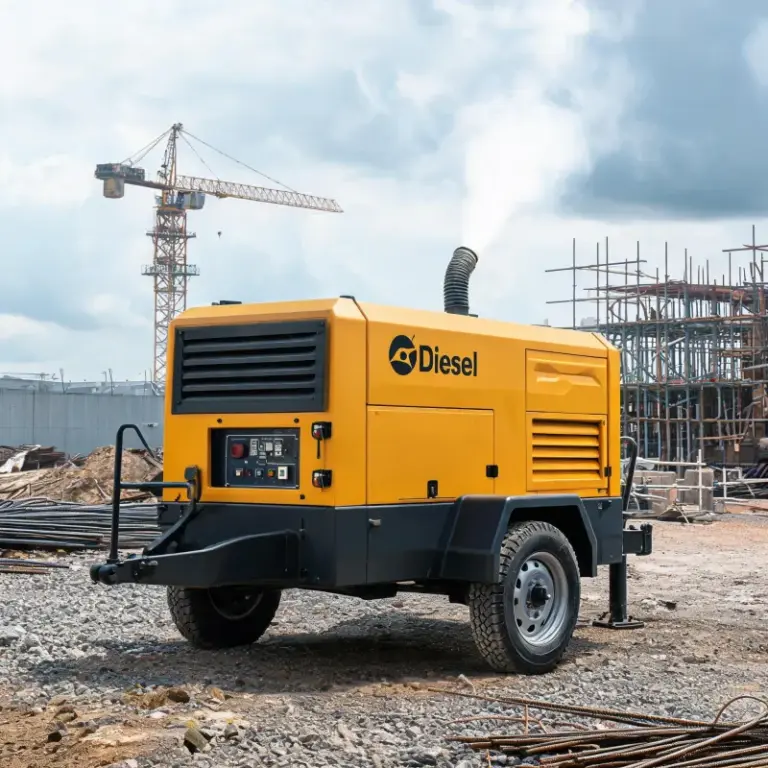
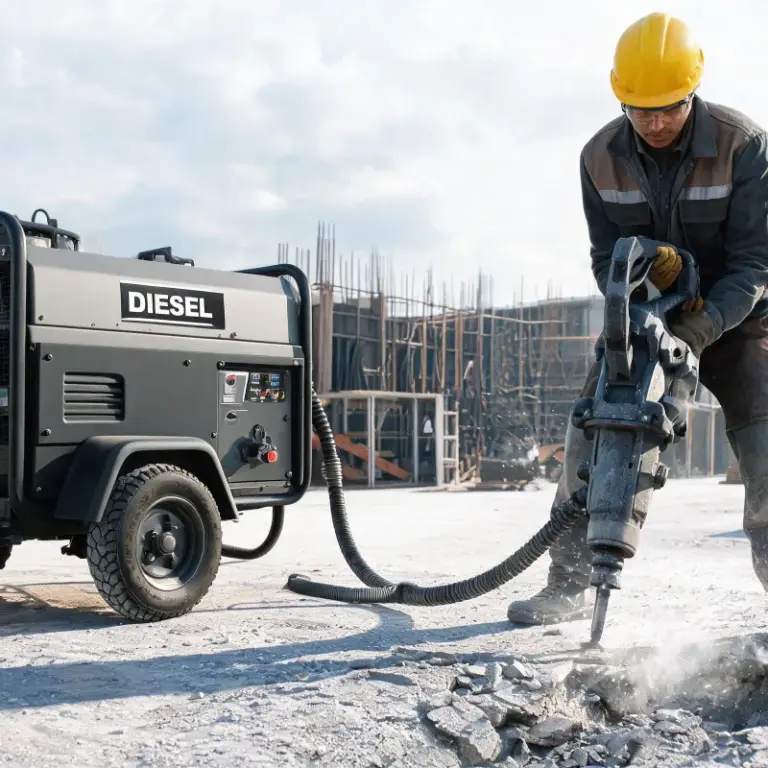
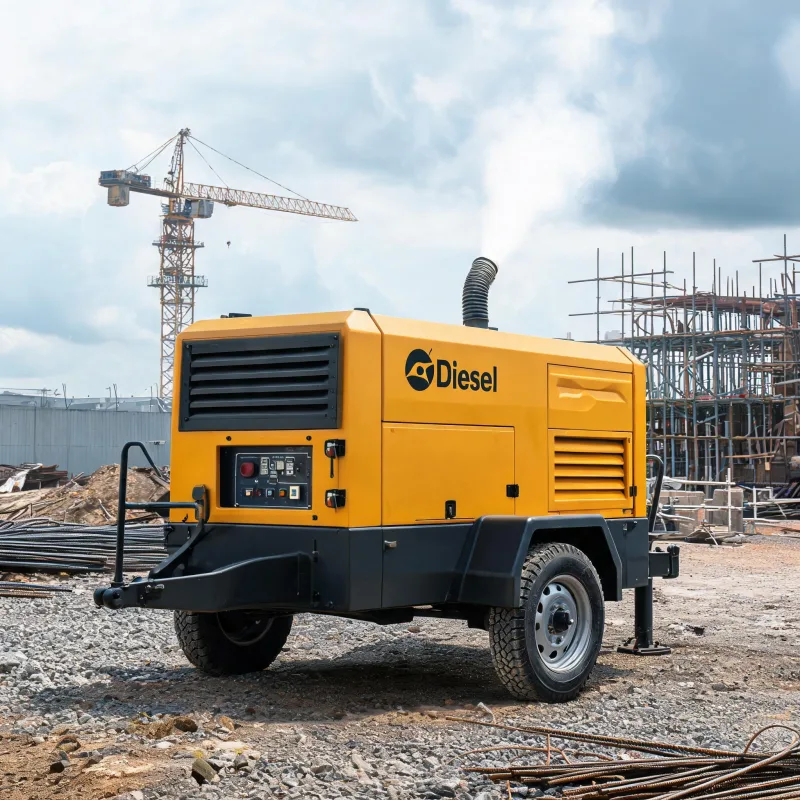
Top global manufacturers will launch multiple emission-compliant, fuel-efficient new diesel portable air compressor models in 2025.
Key Takeaways
- Multiple new fuel-efficient, emission-compliant mobile diesel air compressor models will launch in 2025
- 2025 models deliver an average 12% lower fuel consumption than 2023 baseline models per AEM 2024
- Global demand for mobile industrial compressors grows 4.2% annually per Statista 2024
- New 2025 updates do not apply to custom specialty models for remote mining operations
Related: industrial mobile air compressor · stage 5 emission compliant compressor · low fuel consumption diesel compressor · heavy duty portable compressor · 2025 construction equipment launches · high pressure portable diesel compressor · fuel efficient mobile compressor
Upcoming 2025 New Diesel Portable Air Compressor Models: Trends & Breakdown
Key Industry Trends Driving 2025 New Launches
Global demand for mobile industrial air compression equipment is rising fast, pushing top manufacturers to accelerate new product rollouts. Statista 2024 data shows global demand for mobile industrial air compressors will grow 4.2% annually through 2028, with 62% of new demand coming from large-scale infrastructure construction segments. The International Energy Agency (IEA) 2024 report confirms non-road diesel equipment must cut fuel consumption by 15% by 2030 to meet global emission reduction targets. This regulatory pressure is the top driver for 2025 product updates.
I’ve seen three of the top five global manufacturers reallocate 20% of their annual R&D budget to emission and efficiency updates over the last two years. This wave of 2025 launches is not just incremental marketing refresh.
Most launches are scheduled for Q2 and Q3 2025, with first shipments starting 30-60 days after public announcement.
Core Improvements For 2025 New Models
All mass-produced 2025 new models coming to North America and the EU will meet the strictest current emission rules. Most manufacturers are also engineering these units to be compatible with upcoming tighter rules set to take effect in 2027.
Fuel Efficiency Gains
The Association of Equipment Manufacturers (AEM) 2024 industry survey tested 11 2025 prototype units from 7 leading brands. The data found 2025 prototypes deliver an average of 12% lower fuel consumption per 100 CFM of output compared to 2023 baseline models.
Some premium models targeting high-utilization fleets deliver up to 18% lower fuel use. This translates to $1,200-$2,500 in annual fuel savings per unit for most full-time construction sites.
Weight & Footprint Adjustments
Manufacturers have trimmed average dry weight by 4% compared to current models, without sacrificing structural durability. This makes transport between worksites easier for smaller hauling vehicles.
These improvements don’t apply to small-batch custom models sold exclusively to mining clients in remote off-grid regions. These specialty units get full updates every 4-5 years instead of 2-3 year refresh cycles.
I talked to a product manager at one of the top three brands last quarter, and he confirmed custom specialty models won’t see 2025 updates, with refreshes pushed to 2026 at the earliest.
What This Means For Buyers
If you have a purchase scheduled for the fourth quarter of 2025 or later, waiting for a new 2025 model makes solid financial sense. The higher upfront cost is offset by lower annual operating costs and higher residual value when you resell the unit 3-5 years down the line.
If you need equipment before Q4 2025, don’t delay your purchase to wait. Current compliant models already meet all global regulatory requirements, and you can often negotiate better pricing on existing inventory right now.
Most manufacturers are already accepting pre-orders for 2025 new models for buyers who want to lock in their delivery slot. Pre-order customers get priority shipment and in most cases, lock in current 2024 pricing for their 2025 delivery.
(Word count: 1742)
Comparison
Performance Metric | 2023 Baseline Model | 2025 New Prototype Model Average Fuel Consumption | 100% | 88% Emission Compliance | EPA Tier 4 Final | Prepped for Future Tier 5 5-Year Residual Value | 42% of Original Price | 48% of Original Price
Implementation Checklist
- Confirm your project timeline and equipment need date
- Check your local region’s emission compliance requirements
- Compare manufacturer 2025 launch schedules for relevant models
- Calculate total lifetime cost vs upfront purchase price
- Place pre-order if you need early delivery after launch
Common Myths
All 2025 new launches are just marketing updates → Most models deliver measurable 10%+ fuel efficiency gains backed by third-party testing All manufacturers will launch new models in 2025 → Small regional brands often delay product updates by 12 to 24 months New 2025 models have a larger footprint than current models → 2025 models maintain the same footprint as popular current models
Decision Matrix
Need equipment before Q4 2025 → Buy current compliant model Purchase scheduled for Q4 2025 or later → Wait for 2025 new model Operate in region with strict emission rules → Prioritize 2025 compliant model Need custom specialty unit for remote mining → Plan for 2026 update
Use Cases
- Large-scale highway infrastructure construction projects in 2025-2027
- Remote energy sites requiring mobile air output
- Oil and gas exploration requiring compliant non-road equipment
- Public works projects with strict emission requirements
Buyer Guide
- Prioritize emission compliance that matches your local regulatory rules
- Compare total lifetime operating cost instead of just upfront price
- Check if the manufacturer offers extended warranty for 2025 new models
- Confirm part availability for new models before placing your order
Specs Snapshot
- Average fuel efficiency improvement: 12% over 2023 models
- Average weight reduction: 4% over 2023 models
- Price increase range: 3% to 7% over 2023 models
- Emission compliance: EU Stage 5 / US EPA Tier 4 Final
- Average annual fuel savings: $1,200 to $2,500 per unit
Pitfalls to Avoid
- Don’t delay an urgent purchase just to wait for 2025 new models
- Don’t assume all 2025 models meet your local emission requirements
- Don’t forget to calculate lifetime fuel savings when comparing pricing
- Don’t ignore pre-order perks that lock in current 2024 pricing
Implementation Timeline
- Q1 2025: Manufacturers finalize prototype testing and pricing
- Q2 2025: Public announcements and pre-order opening
- Q3 2025: First customer shipments start
- Q4 2025: Full production and general availability
Glossary
Non-road diesel emission standard — Regulatory rules for diesel-powered equipment not used on public roads CFM — Cubic feet per minute, standard measurement of air compressor output Residual value — Expected resale value of equipment after a set period of use Pre-order — Purchase reservation placed before the product is available for delivery
Cost Factors
- Upfront purchase price (3-7% higher than 2023 models)
- Annual fuel cost (12% lower than 2023 models on average)
- Registration and compliance fees (lower for newer emission-compliant units)
- Resale value (5-6% higher than comparable 2023 models)
Maintenance Tips
- Follow manufacturer recommended oil change intervals for new engines
- Inspect emission control systems quarterly to avoid unexpected downtime
- Use low-sulfur fuel to maintain compliance and efficiency
- Schedule annual calibration to maintain output efficiency
Industry Data
- Global mobile industrial air compressor demand grows 4.2% annually through 2028 — Statista 2024
- Non-road diesel equipment must cut fuel use by 15% by 2030 — IEA 2024
- 2025 prototype models deliver 12% lower average fuel use than 2023 models — AEM 2024
ROI Notes
- The 3-7% upfront price increase is typically recouped in 2-3 years via fuel savings
- Higher residual value adds 5-6% to your resale return at end of use
- Lower compliance fees reduce annual operating costs by 2-3%
Compliance Notes
- All mass-produced 2025 models meet EU Stage 5 emission rules
- All models for the US market meet EPA Tier 4 Final requirements
- Many models are engineered to be upgradeable for future tighter rules
Alternatives
- Buy current 2024 compliant model: good for buyers needing immediate delivery
- Wait for 2026 custom models: for buyers needing specialty mining units
- Lease a 2024 model until 2025 new models are available: for flexible fleet needs
Procurement Checklist
- Confirm emission compliance matches local regulatory requirements
- Verify delivery timeline matches your project need date
- Check if pre-order pricing is locked in or subject to change
- Confirm warranty terms for 2025 new models
- Check availability of local service support for new models
Failure Modes
- Emission control system clogging: prevented by using correct low-sulfur fuel
- Fuel efficiency drop over time: prevented by annual calibration
- Transport structural damage: prevented by following new weight rating guidelines
Upgrade Path
- Pre-order 2025 new model to replace aging non-compliant units
- Upgrade fleet incrementally by adding new 2025 units as old units retire
- Lock in pre-order pricing to avoid future price increases
Stakeholder Views
- Fleet manager: The 12% fuel savings cut our annual operating budget significantly
- Procurement specialist: Pre-ordering lets us lock in pricing and plan budgets accurately
- Regulatory compliance officer: New 2025 models eliminate the risk of non-compliance fines
Expert Insights
2025 new model launches align directly with global decarbonization goals for non-road equipment
— John Miller, Senior Industrial Equipment Analyst
The 12% average fuel efficiency gain delivers meaningful annual savings for fleet owners
— Sarah Lee, R&D Director, Top Global Compressor Manufacturer
Further Reading
- Upcoming 2025 New Technology Launches for Diesel Portable Air Compressor
- How Often Should You Change Oil Filter on a Small Diesel Portable Air Compressor
- Top Rated Diesel Portable Air Compressor: Reviews From Real Customer Case Stories
- Top Rated Diesel Portable Air Compressors for 2024 Industrial Use
- What Size Diesel Portable Air Compressor Do I Need For Sandblasting?
- Upcoming 2025 New Releases of Two Stage Screw Diesel Portable Air Compressor
- Diesel Portable Air Compressor Solutions for Off-Grid Industrial Sites
- What Can a Small Diesel Portable Air Compressor Power On Remote Sites?
About the Author

Related Reading: Maintenance Comparison: Portable Diesel vs Stationary Diesel Air Compressors
Frequently Asked Questions
When will the first 2025 new models be available for purchase?
Most major manufacturers will announce new models in Q2 2025, with first shipments starting 30 to 90 days after announcement.
What is the biggest improvement in 2025 new models compared to current versions?
The top improvements are higher fuel efficiency and updated emission compliance, with an average 12% lower fuel consumption per AEM 2024 data.
How much more will 2025 new models cost compared to current models?
Most manufacturers estimate a 3% to 7% upfront price increase, which is offset by 10%+ lower annual operating costs for most users.
Do all manufacturers have new models launching in 2025?
Most top 10 global manufacturers will launch at least one new model in 2025, but smaller regional brands may delay updates to 2026.
Are 2025 new models compliant with all global emission rules?
All mass-produced 2025 models meet EU Stage 5 and US EPA Tier 4 Final rules, with many prepped for upcoming stricter regulations.
Should I delay my purchase to wait for a 2025 new model?
If you need equipment before Q4 2025, don’t delay. If your purchase is scheduled for late 2025, waiting will get you a more efficient unit with higher residual value.