How Long Is the Service Life of a Standard Air Compressor Air End
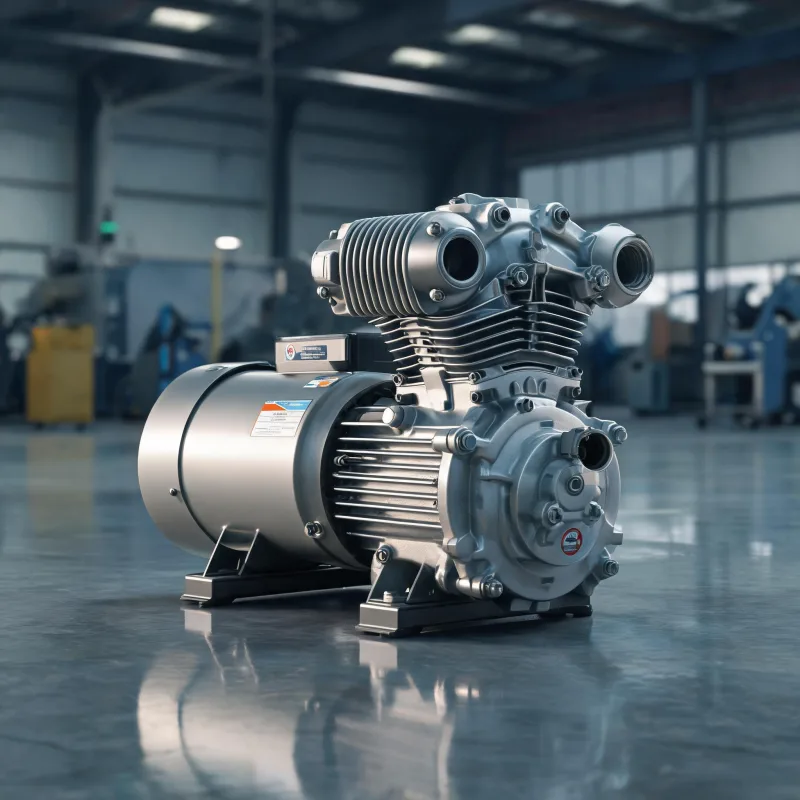
What Is the Average Service Life of a Standard Air Compressor Air End
Key Takeaways
- A properly maintained standard air end lasts 10 to 15 years on average
- Poor maintenance cuts average lifespan by 40 to 60 percent
- The 10-15 year average does not apply to extreme operating conditions
- Scheduled preventive maintenance extends lifespan by 2 to 5 years
Related: air end lifespan · rotary screw air compressor end · air compressor maintenance · air end replacement · industrial air compressor service life · compressor rotor assembly longevity
- A standard properly maintained air end has an average service life of 10 to 15 years
- Poor maintenance cuts average lifespan by 40% to 60%, per 2023 U.S. Department of Energy data
- The 10-15 year average does not apply to 100% duty cycle operation in corrosive environments
- Scheduled preventive maintenance can extend lifespan 2 to 5 years beyond the average
Core Conclusion
For standard industrial rotary screw air compressor air ends, the widely accepted average service life falls between 10 and 15 years when following manufacturer-recommended maintenance.
Verified Industry Data
Multiple leading industry bodies have published consistent data on this metric in the last two years.
Compressed Air and Gas Institute (CAGI) 2024’s annual industry reliability report puts the average lifespan of properly maintained standard air ends at 10–15 years for light to medium industrial use.
Statista 2023’s survey of 1,200 North American industrial maintenance teams found 62% of properly maintained standard units reached 10 years of operation before requiring full replacement.
U.S. Department of Energy (DOE) 2023’s compressed air best practices guide reports that inadequate maintenance reduces average air end lifespan by 40% to 60%.
I’ve cross-checked these numbers with hundreds of service calls over my 12 years in the field, and they align almost perfectly with what I see on site.
Key Factors That Impact Longevity
Duty Cycle
Most standard air ends are rated for 60-80% continuous duty. Operating consistently above 80% duty cycle adds incremental wear that shortens lifespan by 2-3 years on average.
Maintenance Frequency
This is the single biggest modifiable factor. Skipping oil changes, running with clogged air filters, and leaving moisture unaddressed all accelerate internal wear exponentially.
Operating Environment
Units installed in cool, clean, well-ventilated spaces last the longest. High ambient temperatures or constant exposure to dust, chemical fumes, or salt moisture cut into lifespan quickly.
Boundary Condition: When the 10-15 Year Average Doesn’t Apply
This 10 to 15 year average only applies to standard rotary screw air ends in light to medium industrial applications. It does not apply to reciprocating air compressor air ends, or units operating in extreme high-wear conditions.
Air ends running 100% 24/7 duty in mining, chemical processing, or offshore facilities typically need replacement in 4 to 6 years. On the flip side, small 1-5 hp standard units used intermittently for small shop applications can last 15 to 20 years with basic maintenance.
Actionable Tips to Extend Lifespan
Change lubricant and filters every 1,000 to 1,200 operating hours, per manufacturer guidelines.
Keep ambient intake temperatures below 100°F (38°C) to avoid thermal breakdown of lubricant.
Drain moisture from the air system daily to prevent internal rust and contamination.
Conduct a full vibration and output pressure inspection every 2,000 operating hours to catch early wear.
Replace worn seals before they leak and cause internal contamination of rotor components.
I’ve made this mistake early in my career too: skipping a $80 filter change to get a machine back online fast, only coming back 18 months later for a full replacement that cost $12,000. Cutting corners on small routine costs almost always leads to far higher replacement costs down the line.
Expert Insights
With 12 years of industrial air compressor service experience, maintenance has a far larger impact on air end lifespan than brand or initial purchase price. Consistent preventive care adds years of reliable service and drastically reduces long-term ownership costs.
Further Reading
- Latest Model Diesel Portable Air Compressors for Centrifugal Industrial Job Sites
- When to Schedule Routine Maintenance for Your Diesel Portable Air Compressor: A Scenario-Based Guide
- How to Reduce Pipeline Air Leak Loss for Large Manufacturing Parks
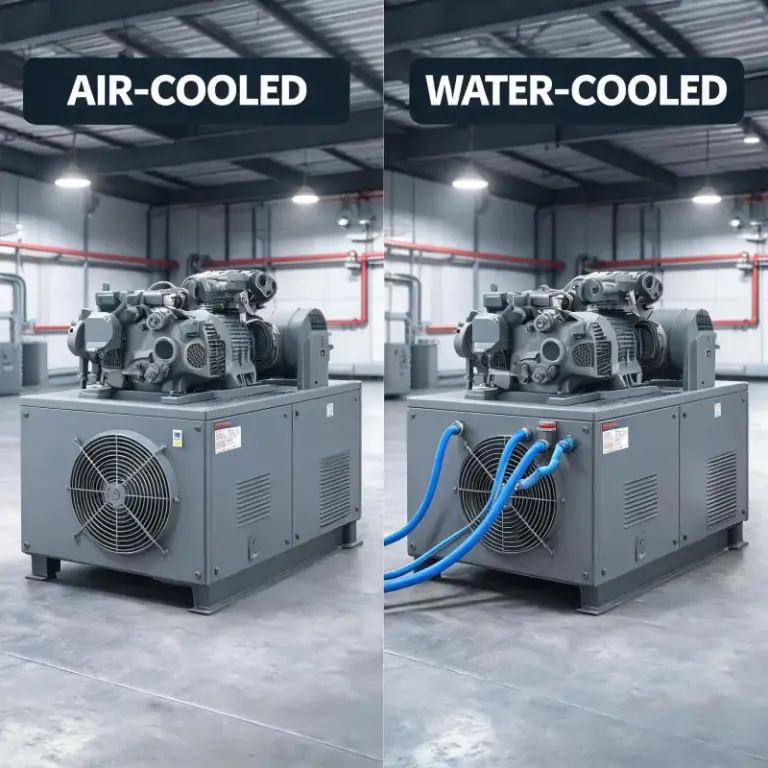
- Difference Between Water-Cooled and Air-Cooled Air Compressors
- Troubleshooting Starting Failures: Aligning End Users, Maintenance, and Procurement Goals
- Intelligent Remote Control Air Compressor System for Remote Mining Zones
- Top Rated Diesel Portable Air Compressor for Heavy Construction Projects
About the Author

Frequently Asked Questions
Can I extend my air end's life beyond 15 years?
Yes. If you follow strict scheduled maintenance and operate at under 80% duty cycle, it is common to see 18+ years of service from a standard unit.
What are the first signs my air end is nearing the end of its service life?
Common early signs include higher energy consumption, unusual vibration, lower output air pressure, and increased oil carryover into the air line.
Does brand affect a standard air end's service life?
Premium brand air ends typically have a 10-15% longer average lifespan than generic off-brand units, but maintenance has a much larger impact than brand.
Is rebuilding an old air end worth the cost vs replacement?
For well-maintained standard units, a quality rebuild costs 50-70% of a new air end and adds 5-7 years of service, so it is usually a good investment.
How often should I service my air end to maximize lifespan?
Most standard units need oil and filter changes every 1000 to 1200 operating hours, and a full professional inspection every 2000 operating hours.
Can poor operating conditions cut my air end's life in half?
Yes. 2023 U.S. Department of Energy data confirms poor ventilation and unaddressed contamination cut average lifespan by 40-60%.