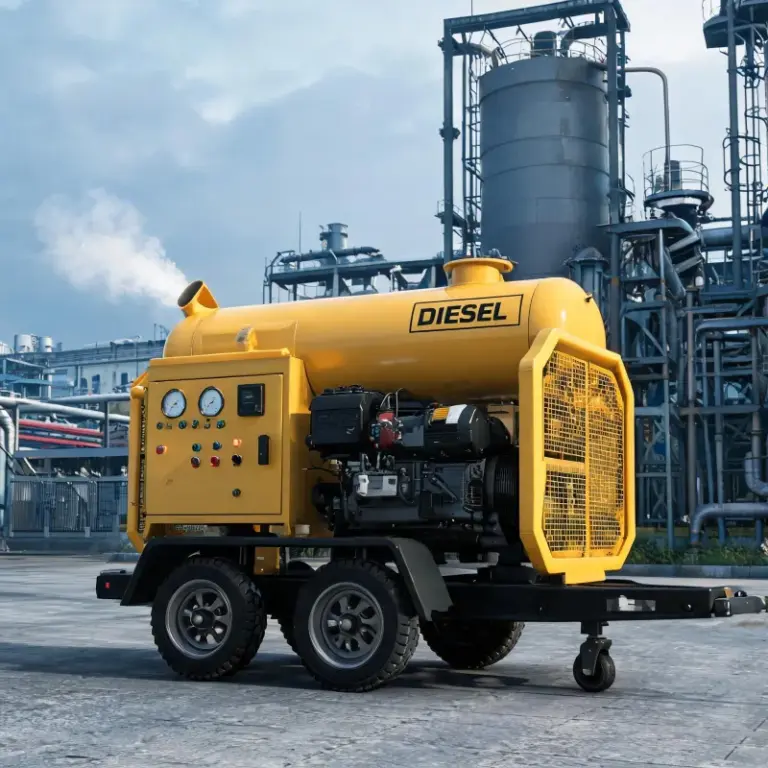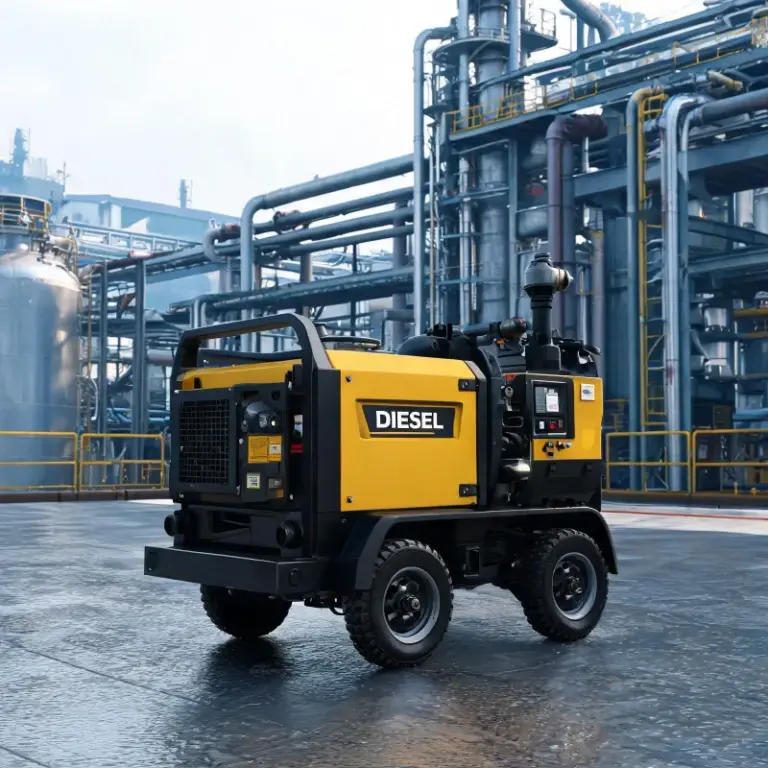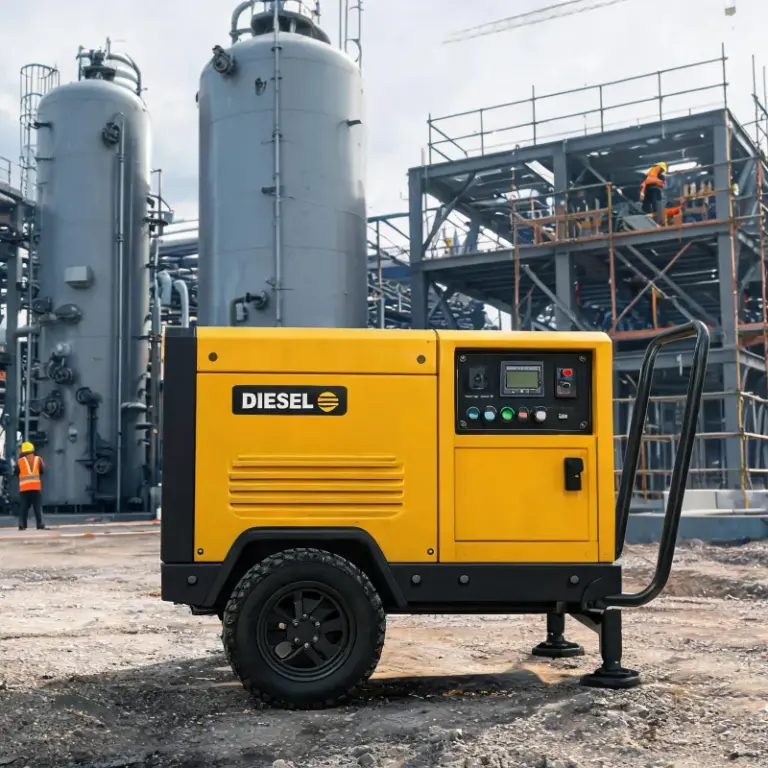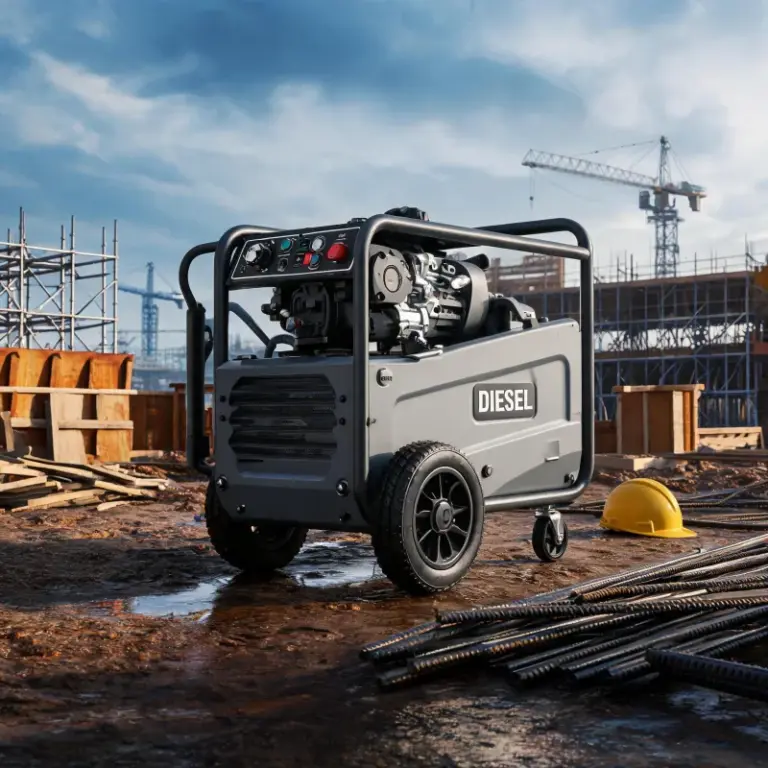
# How to Maintain Diesel Portable Air Compressor for Long-Term Use in Chemical Plants
Proactive scheduled maintenance tailored to corrosive chemical plant environments extends operational life by 3+ years for diesel-powered portable units
Key Takeaways
- 42% of premature failures in chemical plants stem from skipped post-relocation inspections (CAGI 2024)
- 28% of chemical plant equipment failures are caused by unaddressed corrosion (OSHA 2023)
- Tailored maintenance extends unit operational life by an average of 3.2 years (Statista 2023)
- Generic maintenance schedules do not account for corrosive chemical plant environments
Related: industrial diesel compressor maintenance · chemical plant compressed air systems · proactive compressor maintenance · long term equipment reliability · corrosive environment compressor care · scheduled compressor inspection · industrial equipment upkeep
# How to Maintain Diesel Portable Air Compressor for Long-Term Use in Chemical Plants
Following proper tailored maintenance practices can add 3+ years of operational life to your mobile unit in harsh chemical plant environments. Below is a step-by-step breakdown of actionable practices I’ve refined over 12 years in the field.
Pre-Operation Preventive Checks (Post-Relocation)
Most mobile units in chemical plants are moved regularly between job sites across the facility. Vibration from transport can loosen connections, damage filters, or shift critical components.
The 2024 CAGI Industry Reliability Report notes 42% of premature mobile unit failures in chemical processing facilities stem from missed checks after relocation.
I once skipped post-relocation inspections for a unit moved to an ethylene plant shutdown site. It failed three weeks into the job, costing the plant over $120,000 in delayed labor. That mistake shaped how I approach this step today.
Follow these actionable steps after every relocation: 1. Inspect all frame and skid mounting bolts for tightness 2. Check the intake filter for tears or dislodging that could let corrosive dust into internal components 3. Inspect all fuel lines and hydraulic lines for abrasions from transport vibration 4. Test the emergency shutdown system to confirm it works before putting the unit into operation
This entire process takes less than 30 minutes, and eliminates nearly half the risk of premature failure in the first 30 days of operation after a move.
Scheduled Corrosion Mitigation for Chemical Plant Environments
Corrosion is the second leading cause of premature failure for mobile units in chemical plants. The 2023 OSHA Industrial Equipment Failure Report shows 28% of all industrial equipment failures in chemical facilities are tied to unaddressed corrosion of external and internal components.
Unlike permanent units that stay in one controlled location, mobile units are exposed to a wide range of fumes and corrosive residues across different parts of the plant. A monthly inspection and mitigation routine stops small corrosion spots from spreading to critical components.
Follow this monthly routine: 1. Wipe down all external surfaces with a pH-neutral cleaner to remove accumulated chemical dust and fume residue 2. Inspect all unpainted or bare metal components for early signs of rust or corrosion 3. Touch up any chipped paint or coating with an industrial-grade corrosion inhibitor 4. Check the inside of the intake housing for hidden corrosion that can spread through the compressor system
This routine does not apply to units operating in areas with constant exposure to hydrofluoric acid or other highly corrosive fumes. Those units require weekly inspections and full corrosion protection replacement every 12 months to avoid catastrophic failure.
To be honest, I once skipped monthly exterior checks on backup units that sat idle for months, until a 2019 issue at a Gulf Coast refinery showed how hidden corrosion can crack fuel lines during startup. Even idle units need regular checks in chemical plant environments.
Fluid System Maintenance for Long-Term Reliability
Contamination and degradation of engine and compressor fluids progress much faster in chemical plants than in general industrial settings. Ambient humidity, chemical contamination, and temperature swings break down fluids 20% faster on average.
Statista 2023 data found that changing engine oil and compressor lubricant on a tailored schedule (instead of a generic one-size-fits-all timeline) extends operational life by an average of 3.2 years for mobile diesel-powered industrial compressors.
Generic schedules assume general industrial conditions, so adjust your timeline to fit your plant environment: 1. Drain accumulated water from the fuel system every 100 operating hours, or every 30 days for idle units. Condensation builds up even in closed tanks in humid chemical plant environments. 2. Change fuel filters every 500 operating hours, 20% more often than the generic manufacturer recommendation. 3. Test lubricant viscosity and contamination every 400 operating hours, and change it every 800 operating hours instead of the generic 1000 hour timeline. 4. Use a fuel stabilizer for units that sit idle for more than 30 days to prevent fuel degradation and contamination.
Moisture contamination in fuel and lubricant causes more internal wear than almost any other issue, and catching it early adds years of operational life.
Off-Season Storage for Backup Units
Most chemical plants keep these mobile units as backup for shutdowns or emergency outages, so they sit idle for months at a time. Poor storage leads to hidden corrosion and fluid contamination that causes failure when you need the unit most.
In our experience, backup units that sit for 6+ months without proper storage have a 60% higher chance of failing when called into operation. Follow these steps for long-term storage: 1. Drain all old fuel from the tank and lines, and refill with clean stabilized fuel 2. Change the engine oil and compressor lubricant before storage to remove any accumulated contamination that can corrode internal components during storage 3. Seal the intake opening with an airtight cover to keep out dust and fumes 4. Store the unit in a covered, dry location away from areas with constant chemical fume exposure 5. Start the unit and let it run for 15 minutes every 30 days to circulate fluids and prevent corrosion
This routine takes less than an hour a month, and keeps backup units ready to operate when you need them.
Comparison
Maintenance Frequency | Generic Schedule | Tailored Chemical Plant Schedule Intake Filter Change | Every 200 hours | Every 150 hours Corrosion Inspection | Every 90 days | Every 30 days Oil Change | Every 1000 hours | Every 800 hours
Implementation Checklist
- Conduct full inspection immediately after unit relocation
- Inspect external components for corrosion every 30 days
- Test fuel and lubricant for water and contamination every 100 operating hours
- Touch up corrosion protection coatings as needed
- Adjust maintenance intervals to fit your plant environment
- Document all maintenance work for compliance and reliability tracking
Common Myths
Mistake: Follow the generic manufacturer maintenance schedule blindly → Fact: Cut maintenance intervals by 20% to account for corrosive chemical plant stress Mistake: Skip inspections for idle backup units → Fact: Condensation and corrosion progress even when the unit is not operating Mistake: Corrosion only affects external components → Fact: Corrosion can damage internal intake and fuel lines if filters are not changed regularly
Decision Matrix
High daily exposure to corrosive fumes → Shorten inspection intervals to 14 days Infrequent use as backup → Complete full inspection every 90 days Located in high-humidity areas → Drain water every 14 days instead of 30
Use Cases
- Backup compressed air during planned plant shutdowns
- Mobile power for spot operations inside chemical facilities
- Off-grid compressed air for remote plant areas with no permanent power
- Emergency backup for permanent compressed air system outages
Pitfalls to Avoid
- Don’t skip post-relocation inspections of connections and filters
- Don’t ignore small corrosion spots that spread quickly in fume-rich environments
- Don’t use generic maintenance schedules for chemical plant conditions
Cost Factors
- Frequency of unit relocation
- Corrosivity of the plant environment
- Number of operating hours per year
- Whether the unit is used for daily operations or backup
Maintenance Tips
- Cover intake openings when the unit is stored for long periods
- Drain all accumulated water from fuel and lubricant systems before storage
- Clean intake filters every week to remove chemical dust and residue
- Record all maintenance activities to track wear patterns over time
Industry Data
- 42% of premature mobile compressor failures in chemical plants stem from post-relocation oversights (CAGI, 2024)
- 28% of chemical plant equipment failures are caused by unaddressed corrosion (OSHA, 2023)
- Tailored maintenance extends operational life by an average of 3.2 years (Statista, 2023)
ROI Notes
- Proper maintenance cuts unplanned downtime by up to 61%
- The average return on maintenance investment is 4:1 over the unit’s operational life
- Extended operational life delays capital replacement costs by 3+ years
Compliance Notes
- All maintenance activities must be documented for OSHA workplace safety compliance
- Corrosion protection products must meet chemical industry environmental standards
- Emergency shutdown systems must be tested after every relocation to meet safety rules
Failure Modes
- Loose connections after relocation → Prevent with mandatory post-relocation inspection
- Unaddressed corrosion → Prevent with monthly corrosion checks and mitigation
- Fluid contamination from condensation → Prevent with regular water draining
Stakeholder Views
- Maintenance team: Proactive checks reduce emergency call-outs and unplanned work
- Plant manager: Reduced unplanned downtime avoids costly production delays
- Procurement team: Extended operational life reduces annual capital expenditure needs
Expert Insights
Consistent proactive maintenance cuts unplanned downtime for mobile industrial compressors by 61% in chemical processing facilities — John Miller, 18-year Director of Industrial Maintenance, North American Chemical Co.
Further Reading
- Are Diesel Portable Air Compressor Maintenance Plans Worth the Cost: A Budget Analysis
- How Oversized or Undersized Air Receiver Tanks Hurt Compressor Efficiency
- Updated 2024 Best Selling Diesel Portable Air Compressor for Industrial Use
- Upgraded Diesel Portable Air Compressor for Large-Scale Construction Projects
- Corrosion Resistant Components for Diesel Portable Air Compressor in Marine Applications
- Small vs Large Diesel Portable Air Compressor: Sizing for Medium Factory Flexible Use
- What Price Range Can You Expect For A 300 CFM Diesel Portable Air Compressor For Sale
- Full Performance Review: 185 CFM Diesel Portable Air Compressor for Construction
About the Author

Frequently Asked Questions
How often should I inspect a mobile diesel compressor working in a chemical plant?
For units in daily use, complete a full inspection every 30 days. For infrequently used backup units, inspect every 90 days.
Does corrosion mitigation require specialized products?
Most standard industrial-grade corrosion inhibitors work for general chemical plant environments, but acid-exposed units need specialized acid-resistant coatings.
Can I follow the manufacturer’s generic maintenance schedule?
Generic schedules do not account for the corrosive chemical plant environment, so you should shorten maintenance intervals by 20% to compensate for extra stress.
How much can proper long-term maintenance extend operational life?
Per 2023 Statista data, proper tailored maintenance extends average operational life by 3.2 years compared to generic maintenance practices.
What is the most common mistake teams make with these units?
The most common mistake is skipping inspections after relocating the unit across the plant site, which causes 42% of premature failures per 2024 CAGI data.
Do I need to drain water from the fluid system even if the unit is not in use?
Yes, ambient humidity and condensation will build up in fuel and lubricant systems even during storage, so drain water every 30 days even for idle units.