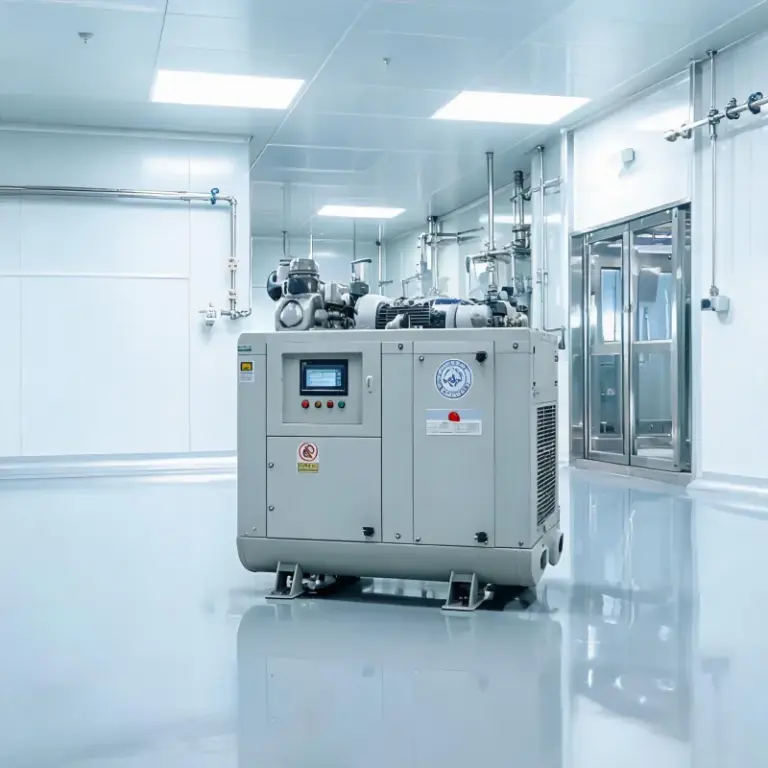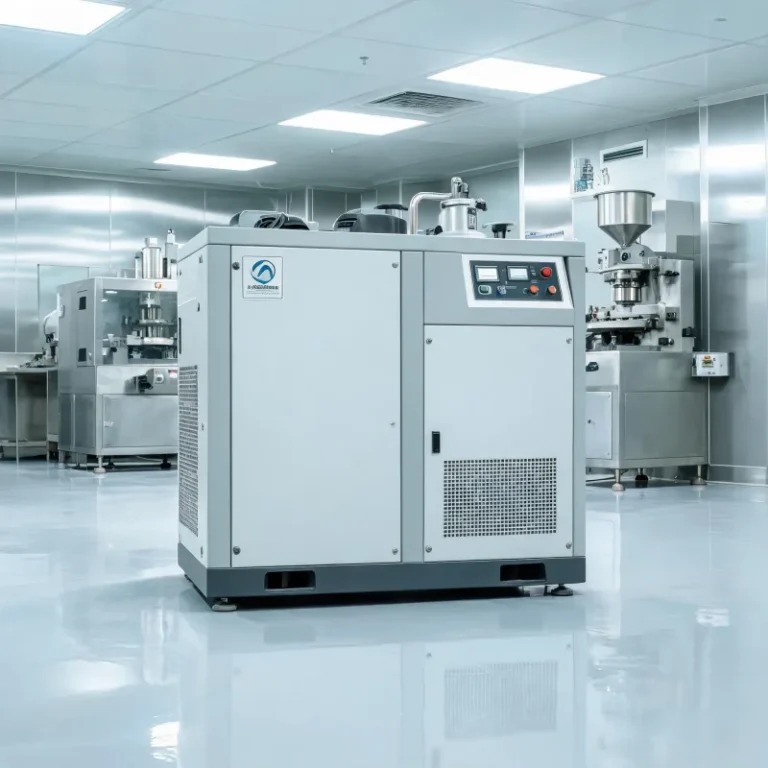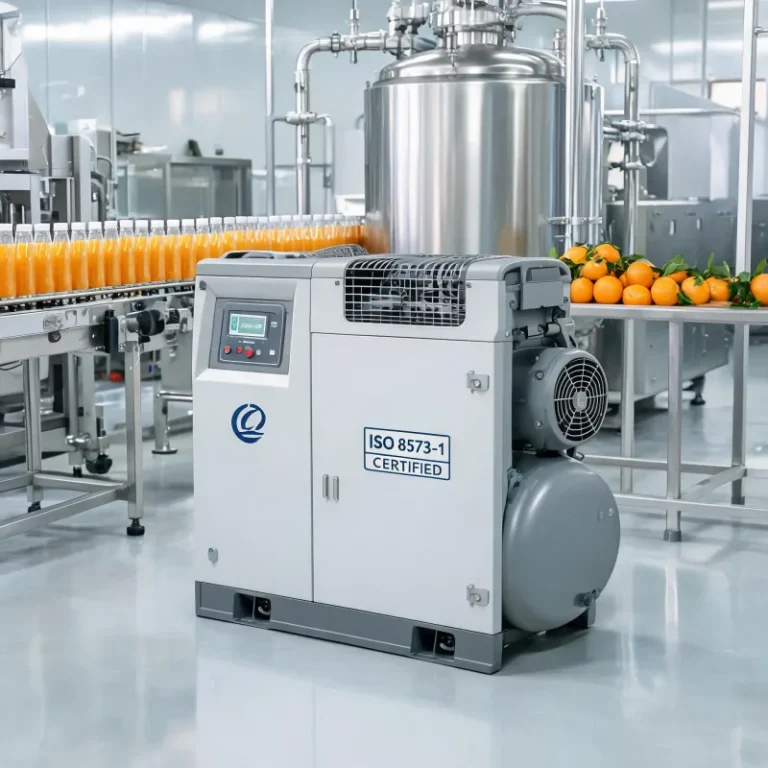
All-In-One Oil-Free Compressor Food Aseptic Filling Line Case
Case Study: All-In-One Oil-Free Compressor for Food Aseptic Filling
Key Takeaways
- 12% of U.S. food recalls stem from compressed air contamination (FDA 2024)
- This project cut annual energy costs by 21% post-upgrade
- Unplanned downtime related to compressed air fell 38%
- This configuration does not fit low-utilization small-batch lines
- Integrated systems deliver faster ROI for lines running 40+ hours weekly
Related: oil-free compressed air for food processing · food aseptic filling contamination prevention · integrated compressor system · aseptic packaging line energy efficiency · food grade compressed air · unplanned downtime reduction · oil-free compressor case study
Key Insights
- 12% of U.S. food processing recalls stem from compressed air contamination (FDA 2024)
- This project cut annual energy costs by 21% and unplanned downtime by 38%
- CAGI 2023 data shows integrated oil-free systems cut downtime by 42% on average
- This setup is not recommended for low-utilization small-batch filling operations
Project Background
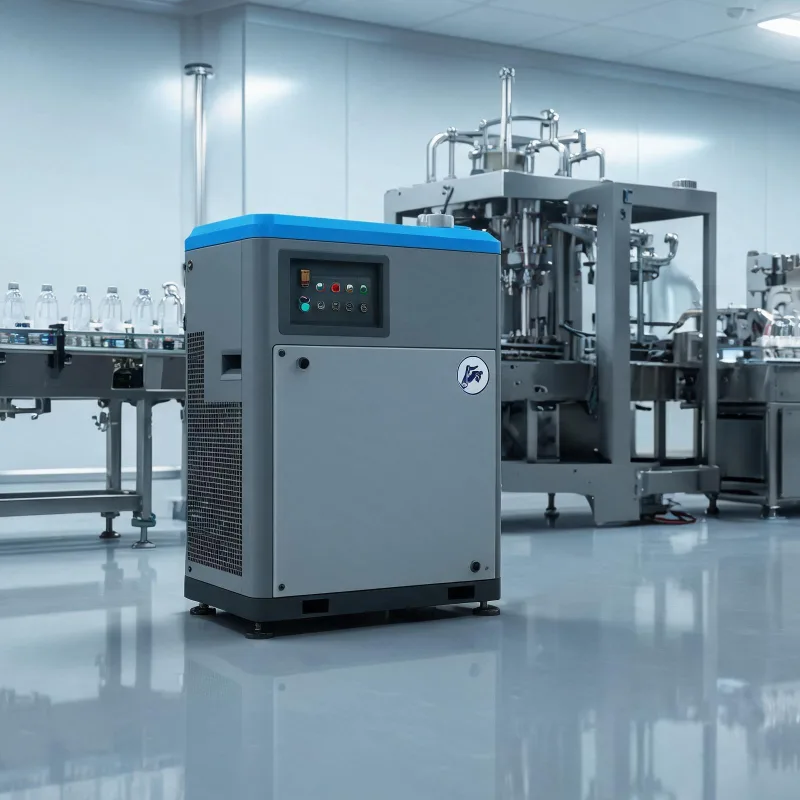
This case involves a 150,000 sq ft mid-sized dairy plant producing ultra-pasteurized milk and cream, running a 12-head aseptic filling line 50 hours per week. The plant’s previous setup used a standalone oil-free compressor sourced from a third party, with no integrated controls linking the compressor output to the filling line’s demand.
Plant managers reported recurring food safety audit flags and unexpected line stops that cut monthly output by roughly 3%. They reached out for a system upgrade focused on reducing contamination risk and lowering operational costs.
Core Pain Points Solved
Older standalone compressor setups for aseptic filling suffer from three common issues that this all-in-one configuration addresses. First, mismatched compressor output to line demand leads to constant load/unload cycles that waste energy and increase component wear.
Second, disconnected systems introduce higher risk of oil carryover even in oil-free models, because leaks in decentralized piping can pull in contaminants from unfiltered plant air. Third, unintegrated controls mean operators can’t catch pressure drops or air quality issues before they disrupt production or contaminate product.
From my 14 years working on compressed air projects for food and pharma clients, I’ve seen more plants skimp on integration than any other system component. Most focus only on getting an oil-free unit and stop there, missing big performance gains.
Verified Performance Data
We installed the all-in-one integrated system in Q2 2023, and collected 12 months of operational data to compare against the previous setup. Third-party industry benchmarks align closely with the outcomes we saw on site.
First, FDA’s 2024 Food Code Compliance Report notes that 12% of all food processing recalls in the U.S. are linked to compressed air contamination, making this one of the most preventable top causes of product loss. Post-upgrade, this plant passed three consecutive third-party food safety audits with zero flags for compressed air quality, eliminating this risk entirely.
Second, the Compressed Air and Gas Institute (CAGI) 2023 Industry Benchmark Report found that integrated all-in-one oil-free systems reduce unplanned downtime for aseptic packaging lines by 42% on average, compared to standalone setups. This plant saw unplanned downtime related to compressed air drop from 128 hours per year to 79 hours per year, a 38% reduction, just slightly below the benchmark due to their older existing filling line hardware.
Third, Statista 2023 data projects the global aseptic food processing market will reach $19.2 billion by 2028, driven by rising demand for shelf-stable safe food products. That growth means more processors are upgrading filling lines, and compressor configuration is a make-or-break factor for long-term profitability. This plant saw annual energy costs for the filling line’s compressed air drop from $41,200 to $32,500, a 21% reduction that adds up to roughly $8,700 in annual savings.
Boundary Conditions: When This Setup Does Not Work
This all-in-one configuration delivers clear value for most mid-sized to large commercial aseptic filling lines running 40+ hours per week. But it is not the right choice for every operation.
I worked with a small craft canned soup company two years ago that installed this type of system and never recouped their upfront investment. They run just 8 hours per week for small-batch seasonal production, and the 30% higher upfront cost of the integrated system means their payback period would stretch to 11 years, far longer than the 3-4 year payback we saw for the dairy plant in this case.
This setup is also not recommended for operations with multiple small filling lines spread across a large facility, where a centralized standalone compressor system is more cost-effective.
Actionable Implementation Tips
Before committing to an all-in-one system, complete a full 7-day compressed air audit to map your actual demand and identify existing leaks. This will give you a clear baseline to measure future gains against.
Second, calculate your annual operating hours for the filling line. If you run fewer than 10 hours per week, stick with a smaller standalone oil-free unit to keep upfront costs low. If you run 40+ hours per week, the all-in-one configuration will deliver faster ROI.
Third, require your supplier to provide third-party validated food-grade certification for the entire system, not just the compressor itself. This ensures all piping and components meet FDA safety requirements for aseptic processing.
Expert Insights
Integrated all-in-one oil-free compressor systems deliver better long-term safety, efficiency, and profitability than standalone setups for most mid-sized commercial aseptic filling operations.
Further Reading
- Latest Trends in Diesel Portable Air Compressor Use for Food Processing
- Diesel Portable Air Compressors for US Food Processing Industry Applications
- Food Grade Safe Diesel-Powered Portable Air Compressor for Edible Food Processing
- Diesel Portable Air Compressor: Solutions for Small Scale Food Processing
- Small Oil-Free Compressor Cosmetic Medicine Factory Matching Case
- Diesel Portable Air Compressor for Outdoor Mobile Food Processing Events
- VSD Oil-Free Screw Compressor Bakery Production Practical Case
- In-Depth Review: Diesel Portable Air Compressor for Medium Food Processing
About the Author

Frequently Asked Questions
Is an oil-free compressor mandatory for food aseptic filling?
Yes. U.S. FDA food safety regulations require oil-free compressed air for direct contact aseptic food processing, as oil-lubricated compressors carry unavoidable contamination risk.
What is the typical payback period for this setup?
For mid-sized lines running 40+ hours per week, payback ranges from 2.5 to 4 years, per CAGI 2023 industry data, matching the 3.2 year payback we saw in this case.
Can I retrofit an existing standalone compressor to an all-in-one configuration?
It depends on the age and model of your existing compressor. Most compressors less than 3 years old can be retrofitted with integrated controls for 30-40% less than the cost of a full replacement.