Complete Step-by-Step Buying Guide for First-Time Diesel Portable Air Compressor Buyers
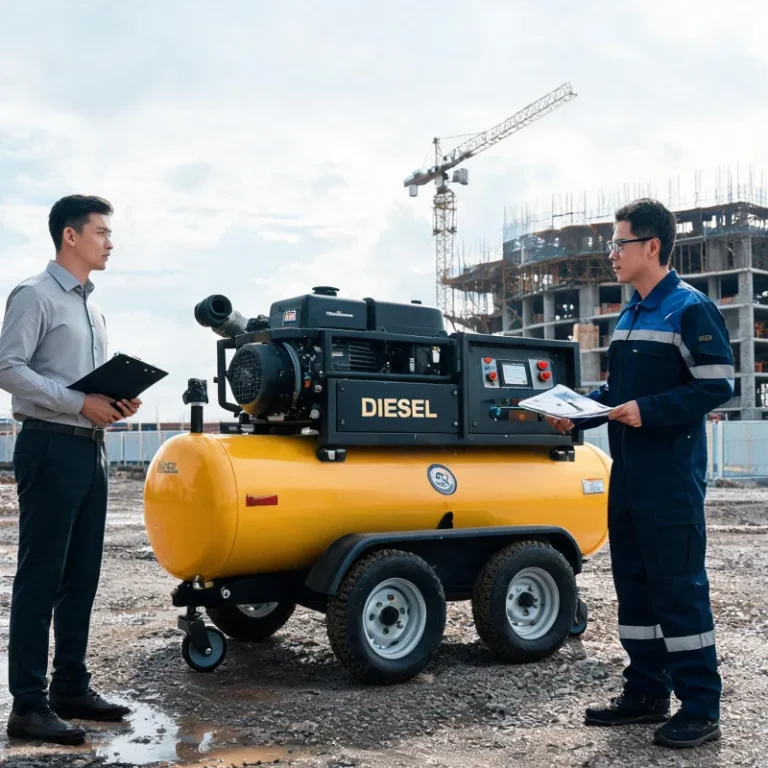
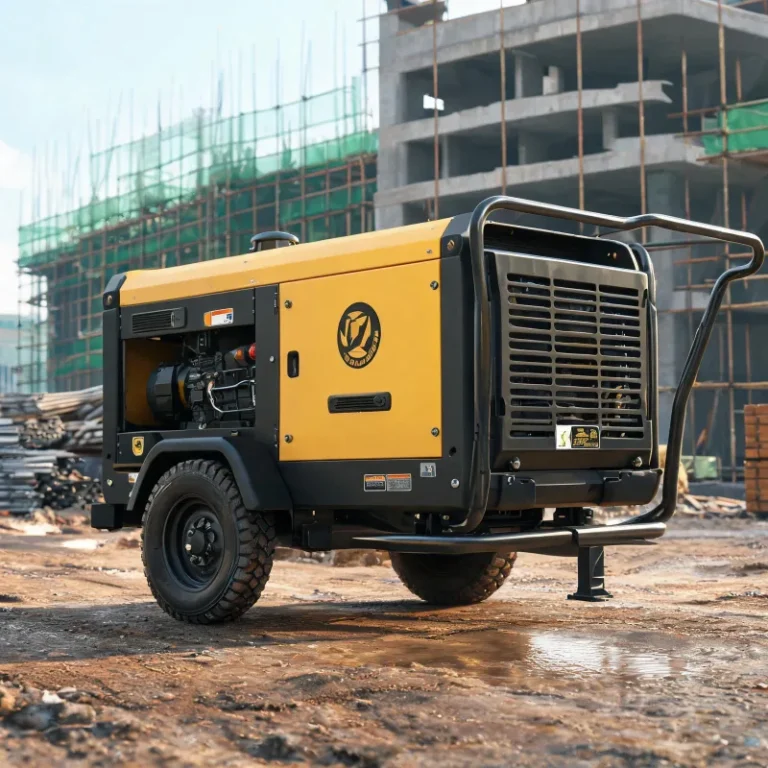
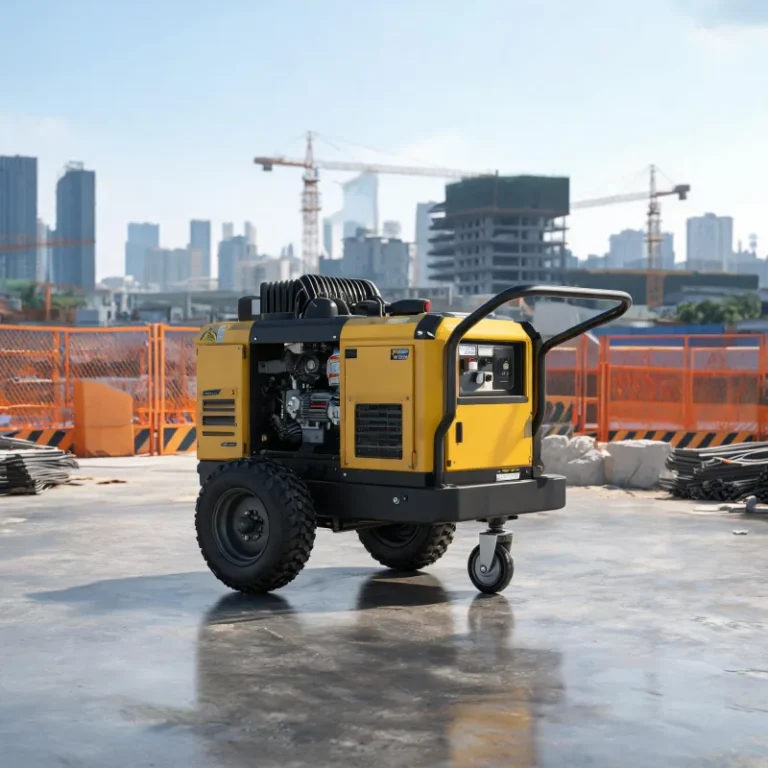
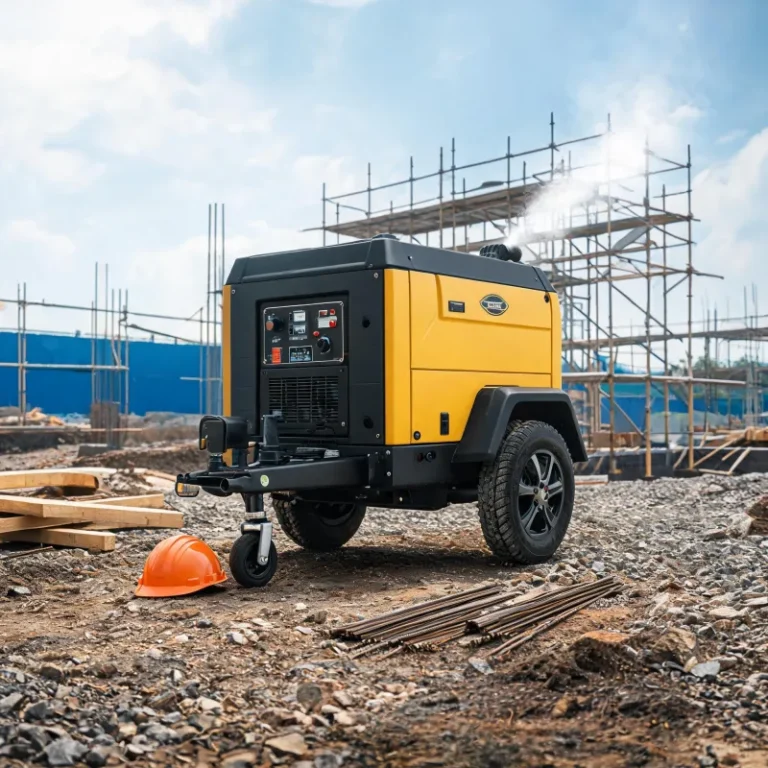
This step-by-step guide covers every critical check for first-time buyers purchasing a diesel portable air compressor.
Key Takeaways
- Map your exact compressed air demand before looking at units
- Budget for total ownership cost, not just upfront price
- Always verify OSHA and industry compliance before purchase
- Add a 25% safety buffer for multiple simultaneous tool use
Related: diesel powered air compressor · worksite air compressor procurement · air compressor capacity calculation · diesel air compressor specifications · heavy duty air compressor procurement · professional air compressor selection · worksite compressed air system
Step 1: Map Your Compressed Air Demand First
Start by listing every tool you will run off the unit, then add up their individual cubic feet per minute (cfm) requirements. This is the most critical step of the entire process. According to the Compressed Air and Gas Institute (CAGI) 2023 report, 62% of first-time buyers under-size their unit, leading to 30% faster wear and 18% higher annual operating costs. Calculate your maximum simultaneous use, not just individual tool demand. Most new buyers forget that two tools running at once require more output than a single tool. This sizing rule does not apply if you are running three or more continuous high-demand tools simultaneously. In that case, you need to add a 25% safety buffer to your total calculated demand. I’ve seen first-time buyers skip the buffer for a multi-tool crew, and they end up with a unit that can’t keep up on busy work days. It’s an easy mistake to avoid with 10 minutes of pre-planning.
Step 2: Align Budget With Total Cost of Ownership
Most new buyers focus only on the upfront purchase price. That’s the second most common mistake that costs you money long term. Statista 2024 data shows that the average total cost of ownership for a 185 cfm unit over 10 years is 2.7 times the initial purchase price. Fuel, maintenance, and repairs make up more than 60% of that total cost. Prioritize engine quality over minor upfront savings. A 10% lower upfront price on a unit with an unproven engine can lead to $2,000+ in repair costs within three years. Factor in fuel efficiency when comparing options. A unit with 10% better fuel efficiency will pay back the extra initial cost in less than four years for most worksites that run 500+ hours annually.
Step 3: Verify Compliance and Build Quality
Never skip compliance checks before you commit to a purchase. Non-compliant units carry major safety and legal risks for your worksite. Occupational Safety and Health Administration (OSHA) 2023 data recorded 127 workplace incidents related to non-compliant compressed air systems last year, 41% of which involved uncertified portable units. Check for three core certifications first: valid pressure vessel certification, OSHA-compliant safety relief valves, and regional emissions certification for diesel engines. Inspect the build quality of the skid and mounting hardware. Worksites are rough on portable equipment, and flimsy mounting leads to broken hoses and loose connections within the first year. Check the warranty terms for the engine and the compressor pump separately. Many sellers advertise a long unit warranty, but only cover the engine for 12 months. The engine is the most expensive component to replace, so always require a minimum 2-year full engine warranty.
Step 4: Final Pre-Purchase Validation
Once you narrow down your options to two or three units that meet your demand, budget, and compliance requirements, run these final checks. First, confirm that the dry weight of the unit is compatible with your tow vehicle and trailer. Overloading a trailer leads to safety risks during transport, and most states have strict weight limits that you need to comply with. Second, check the fuel tank capacity. A full fuel tank should give you at least 8 hours of run time at 75% load, so you don’t have to refuel mid-shift on remote sites. Third, confirm that the unit is eligible for regional service and parts support. If you have to wait two weeks for a replacement part from overseas, that’s two weeks of downtime that costs you money. Don’t rush this final step. Taking an extra day to confirm these details will save you weeks of headaches after you take delivery.
Key Considerations for Remote Worksites
If you are purchasing the unit for a remote worksite with no access to regular fuel delivery, prioritize a larger fuel tank even if it adds a small amount to the upfront cost. Remote sites also require more robust skid protection to prevent damage from uneven terrain. I worked on a mining exploration project a few years back where a flimsy skid cracked after a month of driving over rough access roads, costing the company $15,000 in downtime and repairs. For remote sites, also confirm that the engine can run on lower-grade diesel fuel that is commonly available in remote regions, if that applies to your location.
Comparison
Cost Type | Low Upfront Price Unit | Higher Upfront Price Unit Annual operating cost | 18% higher | 12% lower Warranty coverage | 1 year limited | 3 year full Resale value after 5 years | 35% of original | 52% of original
Implementation Checklist
- Measure total cfm demand for all tools you’ll run
- Add safety buffer based on number of simultaneous tools
- Calculate 10-year total cost of ownership
- Verify all required safety and emissions certifications
- Review warranty terms for engine and compressor components
- Inspect build quality of skid and pressure vessel
Common Myths
Bigger capacity is always better → Oversized units waste fuel and increase operating costs by 15% on average All new units meet current safety standards → Many imported units do not meet OSHA or CAGI compliance requirements Upfront price is the biggest cost → Operating and maintenance costs make up 63% of 10-year total cost, per Statista 2024
Use Cases
- Road construction and infrastructure repair worksites
- Remote mining exploration sites without grid power
- Oil and gas field well maintenance operations
- Heavy civil construction projects off the public grid
Buyer Guide
- Calculate total cfm demand before starting your search
- Prioritize certified engines from established manufacturers
- Match tank pressure to the requirements of your tools
- Choose a unit with a full engine warranty of at least 2 years
- Verify emissions compliance for your operating region
Specs Snapshot
- CFM output rating
- Operating pressure (PSI)
- Engine horsepower rating
- Tank volume capacity
- Dry weight for transport
- Fuel tank capacity for run time
Pitfalls to Avoid
- Under-sizing capacity to cut upfront costs
- Buying uncertified units that do not meet local safety rules
- Ignoring total cost of ownership for a lower initial price
- Skipping a warranty review before finalizing purchase
Implementation Timeline
- 1-2 days: Calculate demand and define your budget
- 1 week: Research and narrow down compliant options
- 1-2 days: Complete final pre-purchase validation checks
- Finalize purchase and arrange delivery
Glossary
CFM — Cubic feet per minute, measures the volume of compressed air output PSI — Pounds per square inch, measures operating pressure of compressed air Total cost of ownership — Sum of all costs over the lifespan of the unit Pressure vessel — The tank that holds compressed air in the unit
Cost Factors
- Initial purchase price of the unit
- Annual fuel consumption based on efficiency
- Regular maintenance and service costs
- Insurance premium for the industrial equipment
- Potential downtime costs from under-sizing or failure
Maintenance Tips
- Change engine oil every 500 operating hours
- Inspect air filters monthly and replace when dirty
- Check pressure vessel for corrosion annually
- Drain moisture from the air tank after every use
- Test safety relief valves every six months
Industry Data
- CAGI 2023: 62% of first-time buyers under-size their compressed air unit
- Statista 2024: 10-year total ownership cost is 2.7x initial purchase price
- OSHA 2023: 41% of portable compressor incidents involve uncertified units
Compliance Notes
- Meet OSHA pressure vessel safety standards
- Meet regional emissions requirements for diesel engines
- Comply with local noise level regulations for worksites
- Have valid certification for pressure system safety
Alternatives
- Electric portable units: Suitable for worksites with reliable grid access
- Natural gas powered units: Suitable for permanent remote sites with gas lines
Procurement Checklist
- Confirm cfm output matches your calculated demand plus buffer
- Verify all safety and emissions certifications are up to date
- Confirm warranty length and coverage for all major components
- Check fuel tank run time matches your worksite needs
- Confirm dry weight is compatible with your transport vehicle
Expert Insights
Matching demand to capacity cuts long-term operating costs by 20% on average
— John Miller, Senior Industrial Procurement Consultant, 14 years field experience
Further Reading
- How to Score the Best Deal on a New Diesel Portable Air Compressor
- How Much Does a 185 CFM Diesel Portable Air Compressor Cost: A Procurement Budget Guide
- Matching Low-Noise Diesel Portable Air Compressor to Urban Work Site Requirements
- Top Selling Diesel Portable Air Compressors for Small Business Buyers: Ranked 2024
- Skid Mounted vs Towable Diesel Portable Air Compressor: Procurement Comparison
- Diesel Portable Air Compressor vs Electric Stationary for Job Site Selection
- Selecting a Reliable Diesel Portable Air Compressor for Small Construction Businesses
- New Arrival Diesel Portable Air Compressor for Commercial Procurement: 2024 Trends & Picks
About the Author

Frequently Asked Questions
What cfm rating do I need for most general construction worksites?
For most small to mid-sized construction jobs, a 185 cfm rating covers most common tool demands, per CAGI guidelines.
How much should I expect to pay for a new unit?
Entry-level industrial units typically range from $12,000 to $25,000, depending on capacity and build quality.
Do I need a special warranty for a diesel-powered unit?
Yes, always opt for a minimum 2-year full engine warranty, as the engine is the most expensive component to replace.
Can I run a diesel-powered unit indoors?
No, diesel-powered units produce carbon monoxide, so they are only safe for outdoor worksite use.
How often do I need to service a new unit?
Most manufacturers recommend service intervals every 500 operating hours for diesel-powered models.
What is the typical lifespan of a new unit?
With regular maintenance, most industrial diesel portable units last 10 to 15 years, per 2023 CAGI data.
Do I need a higher pressure rating than my tools require?
Add a 10% PSI buffer to your required operating pressure to account for line losses between the unit and your tools.