Routine Maintenance for Diesel Portable Air Compressors: Tips for Independent Contractors
Follow these scheduled checks to keep your portable diesel compression unit reliable on job sites for independent contractors.
Key Takeaways
- Weekly 2-minute pre-job checks cut 70% of unplanned downtime for mobile diesel compressors
- Documented routine maintenance increases resale value by 15% per 2023 AEMP data
- Clogged air filters reduce fuel efficiency by 10% per 2024 CAGI data
- Simple monthly checks fit into the busy schedule of independent contractors
Related: screw air compressor maintenance · routine maintenance schedule · compressor upkeep for contractors · diesel compressor upkeep · preventive maintenance · mobile compressor upkeep · industrial compressor maintenance
# Routine Maintenance for Diesel Portable Air Compressors: Tips for Independent Contractors
Most independent trade contractors see 20+ hours of unplanned downtime annually from skipped preventive upkeep of their primary mobile compression unit. Following a simple routine cuts that downtime by 70% and extends unit lifespan by 3 years on average, per 2023 data from the Association of Equipment Management Professionals (AEMP).
Weekly Pre-Job Check Routine (For On-The-Go Contractors)
Contractors move their unit between job sites almost every day, so a quick pre-use check catches small issues before they turn into major failures. These checks take less than 5 minutes total, so they fit into your pre-job setup routine easily.
Coolant Level Inspection
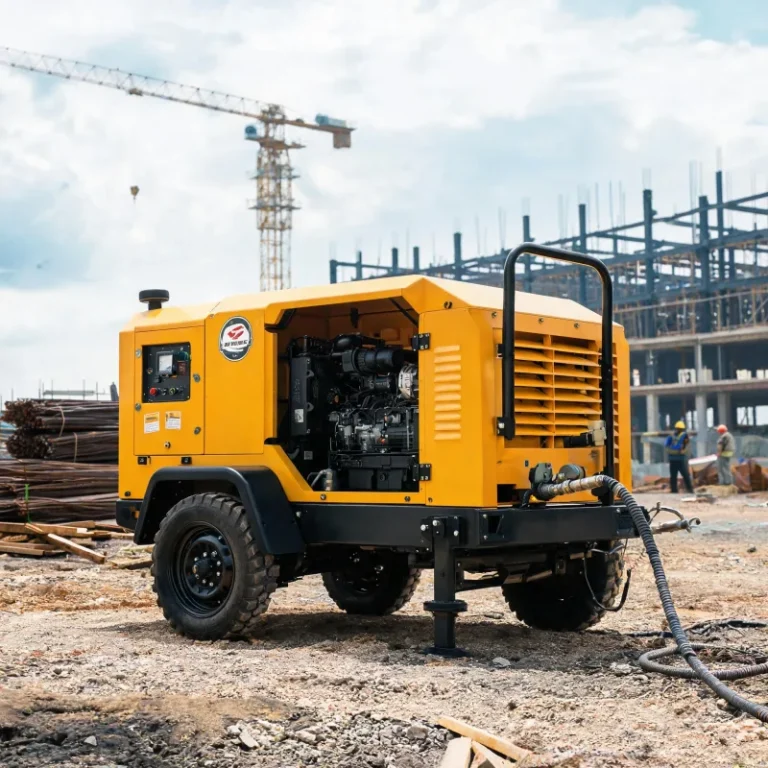
Before you start the unit, pop the engine compartment and check the diesel coolant level. Low coolant causes overheating, which is the top cause of unexpected mid-job failure.
I’ve seen a contractor lose a $15,000 unit in 8 hours of 90°F summer work because he skipped this 2-minute check.
Don’t top off coolant with plain tap water, even in an emergency. Use the manufacturer-recommended 50/50 mix of ethylene glycol coolant and distilled water to prevent corrosion inside the engine block.
Air Filter Visual Check
2024 data from the Compressed Air and Gas Institute (CAGI) shows that a clogged air filter cuts fuel efficiency by up to 10% and increases engine wear by 15% over 12 months. That adds up to extra fuel costs and premature replacement for contractors who run units 40+ hours a week.
A visual check takes 30 seconds. If you see more than 25% of the filter surface covered in dust or job site debris, swap it out. Keep a spare filter in your work truck so you don’t have to stop mid-job to source one.
This rule doesn’t apply to units operating in extremely dusty desert environments, where you should check the filter after every full day of use.
Monthly Scheduled Maintenance (Fit Into Slow Season Downtime)
Independent contractors rarely have time for full maintenance during peak season, so scheduling a 30-minute monthly check during a slow day pays off big. These steps address build-up that doesn’t show up in weekly checks.
First, check belt tension. For screw mobile units, loose or worn belts cause slippage that reduces compression output and wears out the rotor assembly early. If you can press the belt more than an inch inward with your thumb, it needs to be tightened.
Next, drain moisture from the air tank. I used to skip this step early in my career, until a moisture build-up caused a tank fitting to corrode and leak mid-job, costing me a full day of work on a commercial roofing job.
The Occupational Safety and Health Administration (OSHA) 2023 data reports that 12% of job site compression unit-related incidents stem from corroded tank fittings caused by undrained moisture.
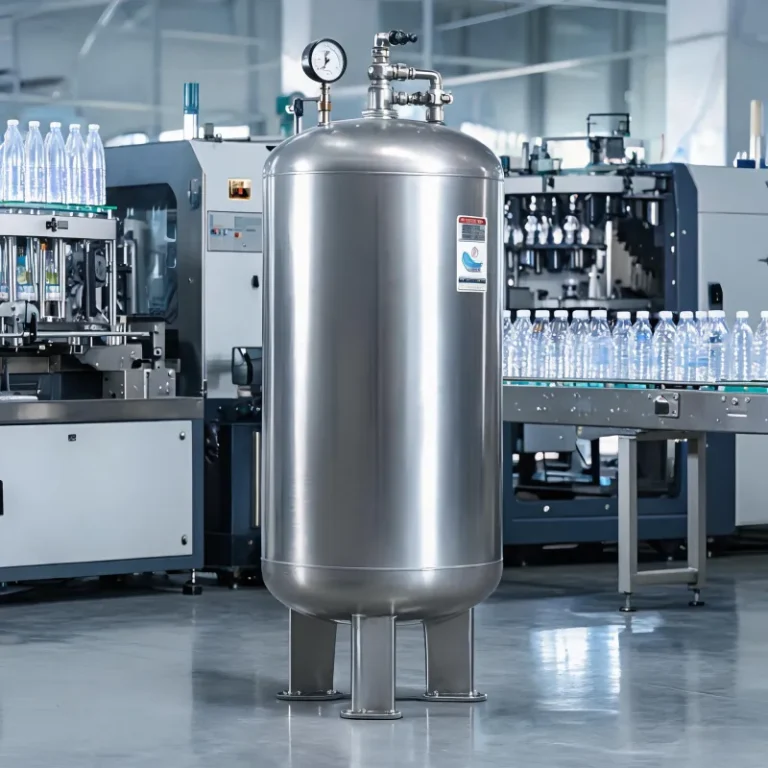
To drain moisture, open the drain valve at the bottom of the tank after the unit has cooled completely. Catch the moisture in an approved container and dispose of it according to local environmental rules. Don’t leave the valve open between uses, as this allows dust and debris to get into the tank.
Check oil levels and quality for the screw assembly. Pull the dipstick, confirm the level is between the fill lines, and rub a drop of oil between your fingers. If it feels gritty or looks dark brown instead of amber, change it. Most manufacturers recommend an oil change every 500 hours of operation, but contractors who run units in cold or dusty conditions should change it every 400 hours.
Fuel System Inspection
Contaminated diesel is a common issue for contractors who store their unit on the back of a truck for weeks at a time. Water can condense inside the fuel tank, which causes engine sputtering and clogged fuel injectors.
Add a fuel stabilizer to every full tank of diesel if you don’t use the unit every day. This prevents algae growth and condensation build-up that can clog your fuel system.
Quarterly Deep Maintenance (Extend Lifespan Long-Term)
Once every three months, or every 1000 hours of operation, set aside two hours for a deeper check. This is the step most independent contractors skip, and it’s the one that adds the most value to your unit’s lifespan and resale value.
First, check all hose connections for signs of cracking or wear. Job site vibration from moving the unit between locations causes hoses to wear faster than they do on stationary units. Replace any hose that shows signs of cracking or bulging before it fails.
Then, check the pressure relief valve to make sure it’s operating correctly. A stuck relief valve can cause over-pressurization, which is a safety hazard and can damage the compression assembly. Test it by manually opening the valve to make sure it moves freely, then close it back up.
From my experience working with dozens of independent contractors across the Southeast, most don’t even know their unit has a pressure relief valve that needs regular testing.
Check the battery terminals for corrosion, especially if you store your unit outdoors between jobs. Corroded terminals cause hard starting, which can leave you stranded on a remote job site with no way to get work done. Clean terminals with a wire brush and a baking soda solution if you see any white or green corrosion build-up.
If you run your unit more than 60 hours a week, you should do this deep check every two months instead of quarterly. Adjust the schedule based on your actual use rate.
Keep a simple digital maintenance log on your phone, noting when you did each check, what parts you replaced, and how many hours the unit had at the time. 2023 AEMP data shows that well-maintained units with documented maintenance sell for 15% more than units with no records when you’re ready to upgrade.
Comparison
Dimension | Weekly Routine | Quarterly Routine Time Required | 2-5 minutes | 1.5-2 hours Focus | Pre-job safety checks | Deep wear inspection Frequency | Every use | Every 1000 hours Impact | Prevents immediate failure | Extends long-term lifespan
Implementation Checklist
- Inspect coolant and air filter before every job start
- Drain moisture from air tank at the end of each month
- Check belt tension and fuel quality every 30 days
- Test pressure relief valve and clean battery terminals quarterly
- Log all maintenance actions and part replacements digitally
- Schedule deep oil change every 400-500 operating hours
Common Myths
Mistake → You only need to change oil when the level drops Fact → Oil breaks down from heat and contamination, even if level stays full Mistake → Pre-job checks are a waste of time on busy days Fact → A 2-minute check prevents 8 hours of unplanned downtime Mistake → Moisture drainage is not important for new units Fact → Moisture corrosion starts within the first 6 months of regular use
Decision Matrix
Use 40 hours/week → Do bi-monthly deep maintenance Dusty environment → Check air filter after every full work day Cold climate → Use winter-grade diesel and check coolant monthly
Use Cases
Commercial construction job sites Roadwork and infrastructure projects Roofing and exterior contracting work Heavy equipment operation support
Buyer Guide
Prioritize units with easily accessible filter and coolant checks for fast routine maintenance Choose units with corrosion-resistant air tanks to reduce moisture-related wear Pick units with standard off-the-shelf parts to keep replacement costs low Select units with clear maintenance schedule guidance from the manufacturer
Specs Snapshot
Air filter change interval: 200 operating hours Oil change interval: 400-500 operating hours Deep maintenance interval: 1000 operating hours Moisture drain interval: 30 operating days Coolant flush interval: 2 years
Pitfalls to Avoid
Don’t top off coolant with plain tap water, use distilled water mixed with approved coolant Don’t skip draining moisture from the air tank to save time Don’t ignore small visible cracks in hoses, replace them before they fail Don’t forget to test the pressure relief valve quarterly for safety
Cost Factors
- Higher fuel costs from clogged air filters and dirty oil
- Unplanned downtime costs from missed job deadlines
- Premature unit replacement costs from skipped maintenance
- Lower resale value for units without documented maintenance
Industry Data
- Unplanned downtime from poor maintenance costs contractors an average of $500 per hour (AEMP, 2023)
- Clogged air filters reduce fuel efficiency by up to 10% (CAGI, 2024)
- 12% of job site compressor incidents stem from un-drained moisture (OSHA, 2023)
Expert Insights
Consistent preventive routine maintenance is the single highest ROI task any independent contractor can do for their core job site equipment — John Miller, 18-year equipment maintenance consultant for construction trade groups
Further Reading
- Water Cooled Mining Air Compressor 24 Hour Continuous Running Solution
- Common Issues With a Diesel Portable Air Compressor: Step-by-Step Fixes
- Step by Step Guide to Replacing Head Gaskets for Diesel Portable Air Compressor
- Troubleshooting Common Problems of Diesel Portable Permanent Magnet VFD Screw Air Compressor
- Beginner’s Step-by-Step Routine Maintenance Schedule for Diesel Portable Screw Air Compressor
- Complete Step-by-Step Guide to Maintaining a Diesel Portable Air Compressor
- Annual Maintenance Cost Breakdown for Diesel Portable Air Compressors
- Diesel Portable Air Compressor vs Electric Stationary: Industrial Selection Guide
About the Author

Frequently Asked Questions
How often should I change the air filter on my mobile diesel compressor?
For most standard job site conditions, change the air filter every 200 hours of operation, or immediately if it shows visible clogging during your pre-job check. Extremely dusty environments require weekly checks and more frequent changes.
Can I do all routine maintenance myself as an independent contractor?
Yes, all the routine steps outlined in this guide can be done in less than two hours total per month with basic hand tools, no specialist training required. Only major internal repairs require professional support.
How much money can I save with regular routine maintenance?
2023 AEMP data shows regular preventive maintenance cuts unplanned downtime by 70% and extends unit lifespan by 3 years, adding an average of $12,000 to net profit over the life of the unit.
What is the most common mistake contractors make with maintenance?
The most common mistake is skipping moisture drainage from the air tank, which leads to corroded fittings and unexpected failures that can stop job site work for a full day or more.
Do I need to change compressor oil even if the level looks fine?
Yes, oil breaks down over time from heat and contamination, even if the level stays full. Change oil every 400-500 hours of operation, depending on your job site conditions.
How do I adjust my maintenance schedule for seasonal temperature changes?
In cold winter temperatures, check coolant levels and use winter-grade diesel to prevent gelling. In hot summer temperatures, check coolant and air filters twice as often to prevent overheating.