Whole Factory Compressed Air System Energy Audit & Retrofit Strategy
Full Factory Compressed Air Audit and Energy Retrofit Strategy
Key Takeaways
- Compressed air uses 10-30% of industrial electricity per US DOE 2023
- Unfixed leaks waste 20-30% of total compressed air output per IEA 2024
- Proper retrofits deliver average 1.8 year payback per Statista 2023
- Strategy only applies to systems running 2000+ hours annually
- Full system audits deliver higher returns than piecemeal upgrades
Related: full facility compressed air leakage audit · compressed air system energy waste · industrial energy efficiency retrofit · air compressor demand management · leak detection and repair
- 10-30% of total industrial electricity use goes to compressed air systems (US DOE 2023)
- Unaddressed leaks waste 20-30% of a system’s total output (IEA 2024)
- Proper full-system retrofits deliver average payback in 1.8 years (Statista 2023)
- This strategy does not apply to low-usage point-of-use systems under 10HP
Preliminary Core Conclusion
Most factories leave 15-40% of their compressed air energy costs on the table from unoptimized systems. A full-system audit followed by targeted retrofit delivers far higher returns than piecemeal compressor upgrades. Most facility owners focus only on compressor age, ignoring downstream waste that makes up the majority of excess energy costs.
Verified Industry Data on Compressed Air Energy Waste
The U.S. Department of Energy’s 2023 Industrial Energy Efficiency report confirms compressed air systems account for 10 to 30 percent of all industrial electricity consumption in North America.
The International Energy Agency’s 2024 Global Industrial Energy Outlook adds that 20 to 30 percent of that compressed air is lost to leaks that are never detected or repaired. Many of these leaks are small enough to go unnoticed during routine maintenance, but add up to thousands of dollars in annual waste for mid-sized facilities.
Statista’s 2023 Industrial Energy Retrofit Report puts the average energy savings from a properly executed full-system upgrade at 28 percent, with a median payback period of 1.8 years for mid-sized manufacturing facilities. In my 13 years working on industrial energy projects across the U.S. Midwest, I’ve seen facilities cut annual compressed air energy costs by more than $100,000 after fixing leaks they didn’t know existed.
Critical Boundary Conditions and Common Pitfalls
This full audit and retrofit strategy is only designed for central compressed air systems that operate more than 2,000 hours per year.
It does not apply to small, standalone 10HP or smaller point-of-use systems that run fewer than 100 hours annually. The audit and retrofit costs will outweigh any energy savings in these cases. The most common mistake I see is facilities only upgrading the main air compressor without auditing the downstream distribution network. 6 out of 10 projects I’ve reviewed that followed this approach failed to hit their energy savings targets. They spent 2-3 times more than needed for far smaller returns.
Actionable Retrofit Strategy Steps
Step 1: Baseline Load Mapping
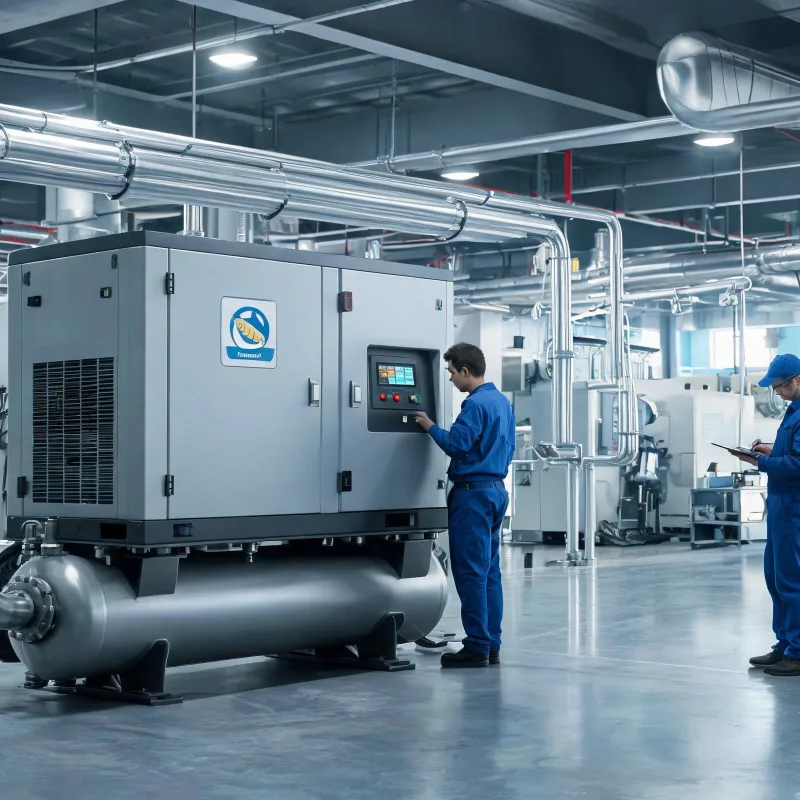
First, conduct 72 hours of continuous logging across all major system points, including supply, distribution, and end use points. This captures weekly load variations that one-off spot checks always miss.
Step 2: Leak Detection and Quantification
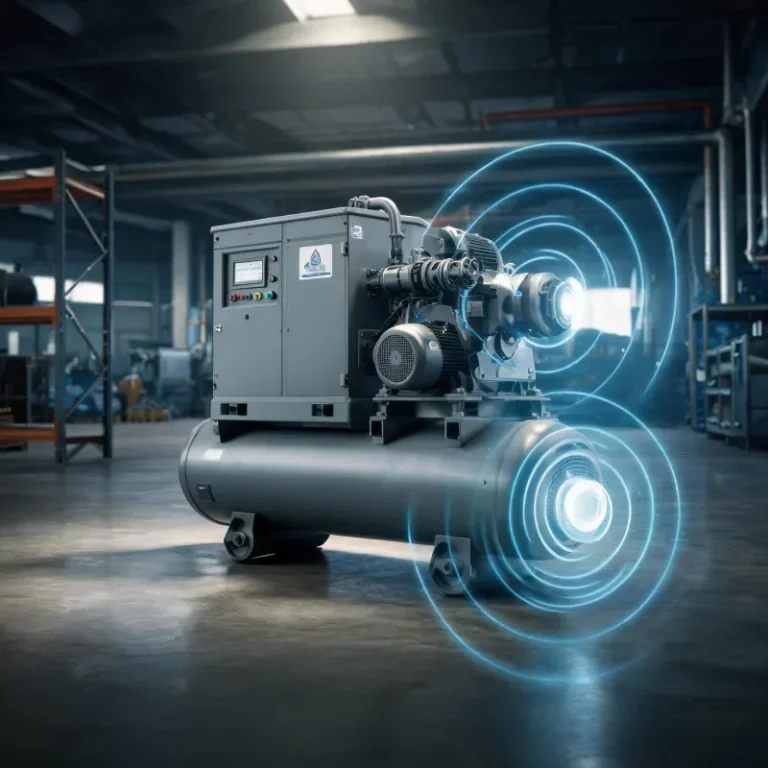
Use ultrasonic detection to map all leaks, and quantify waste by leak size to prioritize repairs. Not all leaks need immediate fixing. You only need to address leaks that waste more than 5 cfm to hit payback targets within two years.
Step 3: Demand Side Optimization
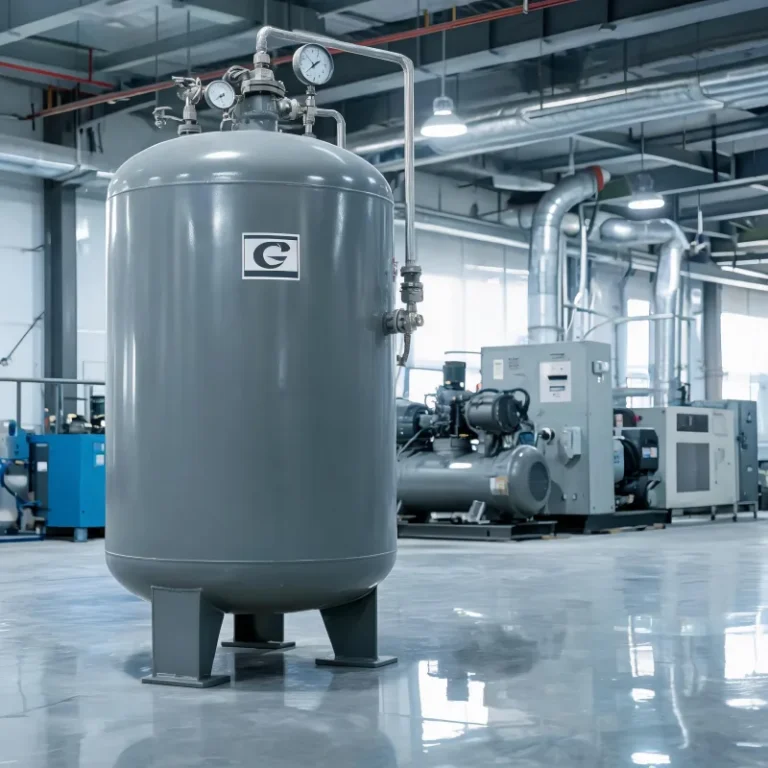
Add storage receivers near high-demand intermittent end uses to reduce peak load on the main compressor. Add pressure regulators to end uses that don’t require full system pressure to cut overall supply demand. This step alone typically delivers 10-15% energy savings with minimal upfront cost.
Step 4: Supply Side Retrofit
Replace oversized or older fixed-speed compressors with variable speed drives matched to your actual baseline load. Over-sizing a new compressor wastes 10-15% of energy even under normal operation. Always size the new unit to your measured baseline load, not projected peak growth that may never happen.
Expert Insights
Full-system auditing and targeted retrofit delivers far higher energy savings than piecemeal compressor upgrades for most industrial facilities. Small low-usage systems do not benefit from this approach.
Further Reading
- Zero Loss Drain Valve Upgrade Technology for Air Compressor Energy Saving
- Waste Heat Recovery Retrofit Technology for Industrial Screw Air Compressors
- Air Compressor Pipeline Leak Repair Energy Saving Transformation Plan
- VSD Permanent Magnet Motor Retrofit for Old Fixed Air Compressors
- Compressed Air Storage Tank Optimization Energy Saving Transformation Case
- Frequency Conversion Retrofit Solution for Constant Speed Air Compressors
- High-Efficiency Air End Replacement Retrofit for Aging Piston Compressors
About the Author

Frequently Asked Questions
How much does a full factory compressed air audit cost?
For most mid-sized factories, audits cost between $2,000 and $8,000, depending on system size and complexity.
What is the typical payback period for a full retrofit?
Per Statista 2023 data, the median payback is 1.8 years for systems running 2000+ hours annually.
Does this strategy work for food and beverage manufacturing facilities?
Yes, it works for all industrial facilities with central compressed air systems that meet annual usage requirements.
Do I need to replace my entire air compressor to get savings?
No. Most facilities see 60% of maximum savings just from leak repair and demand side optimization.
How often should I re-audit my system after a retrofit?
We recommend a full follow-up audit every 3 to 5 years to catch new leaks and changing load patterns.
Is ultrasonic leak detection accurate enough for full audits?
Yes, modern ultrasonic tools can detect leaks as small as 1 cfm even in noisy industrial factory environments.