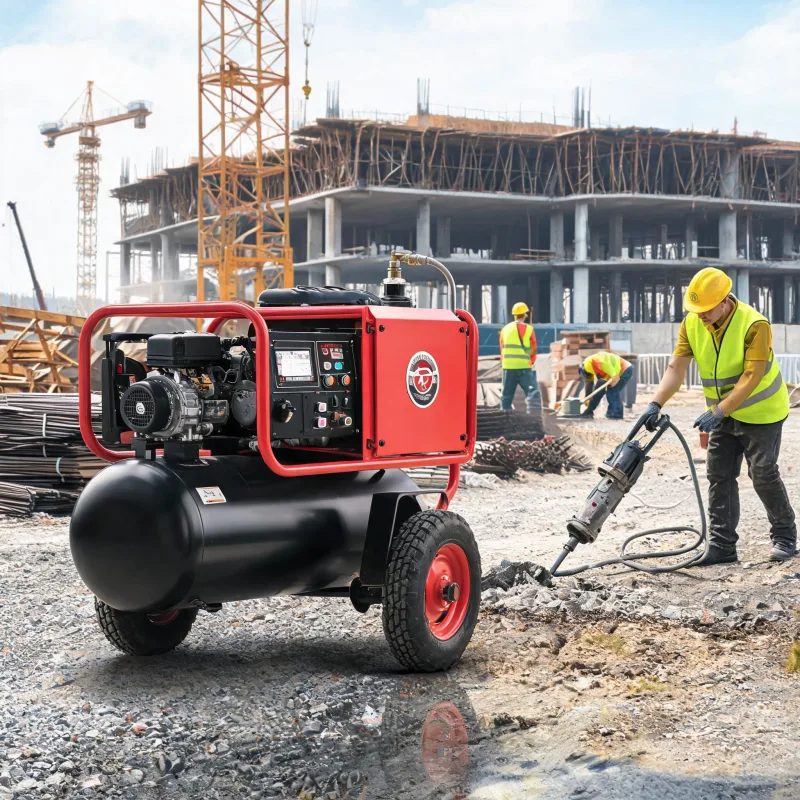
What’s the Average Budget for Upgrading to a High CFM Industrial Diesel Air Compressor
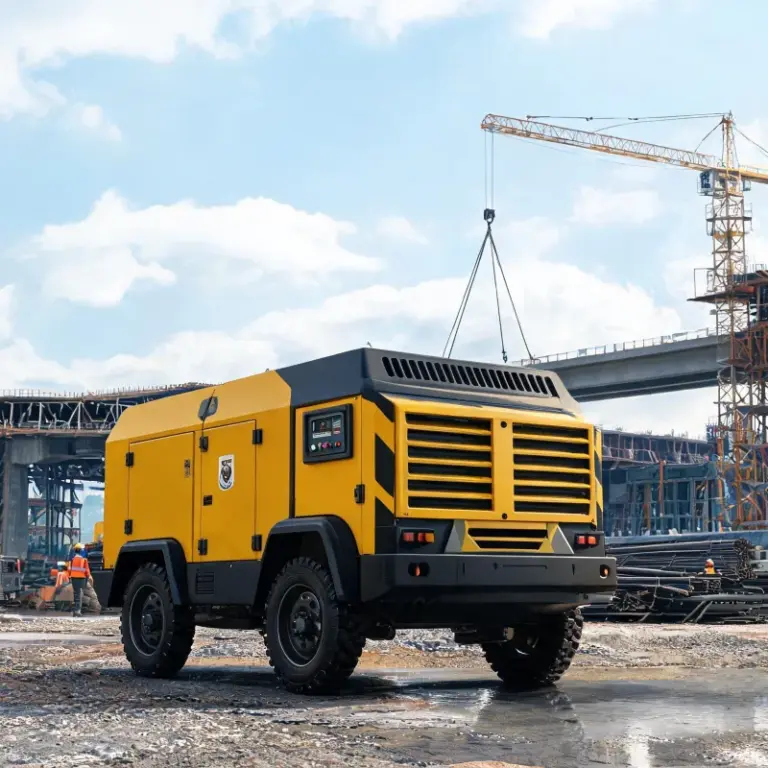
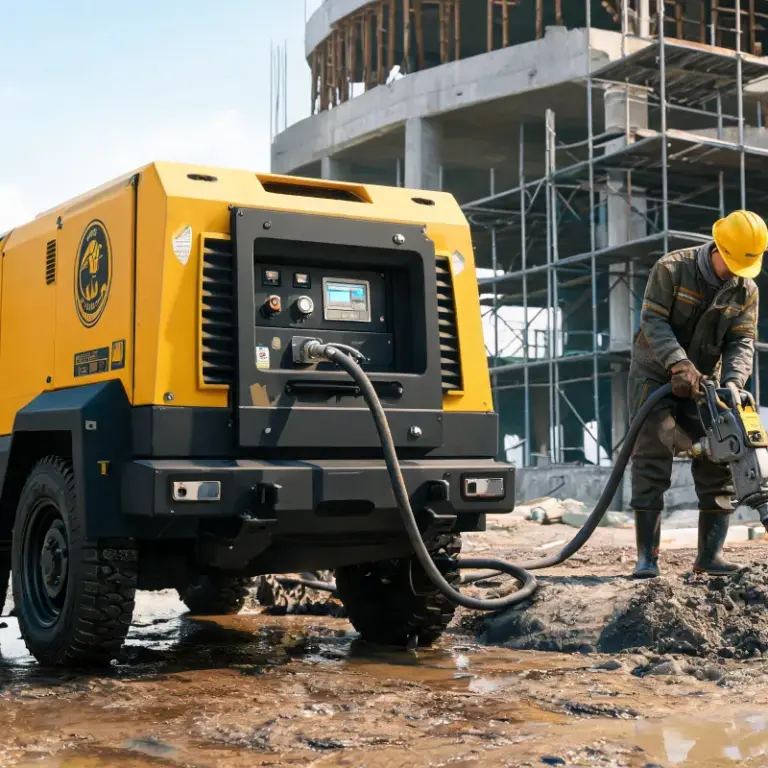
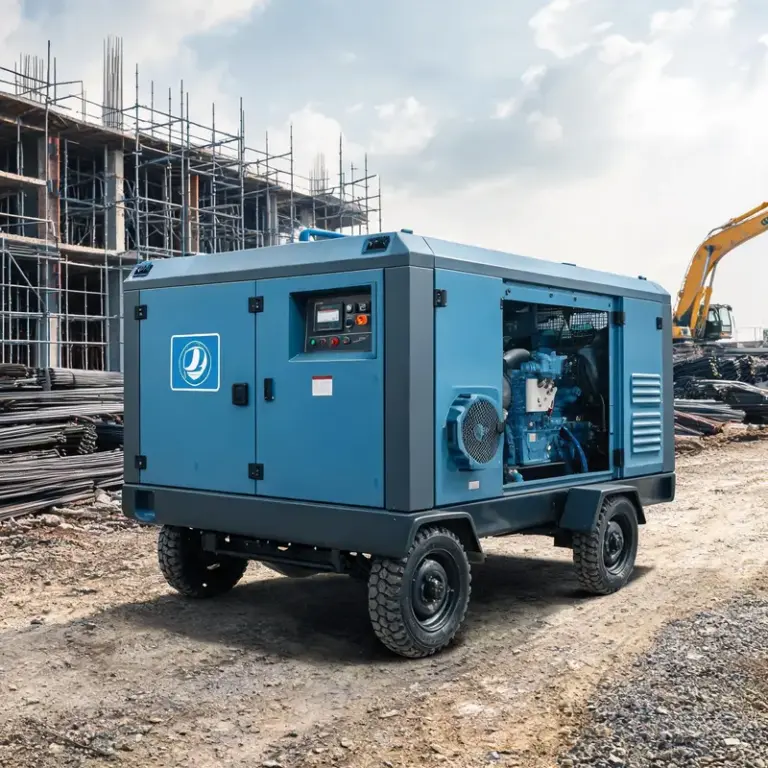
For industrial use, the average base cost of a high CFM rated diesel air compressor falls between $12,000 and $65,000 before installation.
Key Takeaways
- Overspecifying high CFM output adds 20-30% unnecessary cost to most projects
- 2024 CAGI data confirms average base price falls between $12,000 and $65,000
- Site prep and installation add an extra 12% to 18% to total project cost
- Keep your old unit connected for 30 days after installation for rollback if needed
Related: industrial compressor budget · high CFM compressor cost · compressor upgrade budget · industrial compressed air · facility air upgrade · diesel compressor pricing
Current Compressed Air System Assessment
Start by mapping your actual peak CFM demand before looking at price tags. Most facilities have unaccounted for air leaks in old piping that inflate the perceived required output. 2024 data from the Compressed Air and Gas Institute (CAGI) shows 62% of high CFM unit purchases are oversized for actual facility demand, adding 20% to 30% in unnecessary upfront cost.
Calculate your total demand by adding the required CFM of every tool and process that runs at peak production, then add a 10% buffer for future growth. Any more buffer than that is just waste. Overspecifying is the top reason for budget overruns.
Trigger Points That Justify a High CFM Upgrade
Not every capacity gap needs a full upgrade. You can justify the investment only if you see one or more of these consistent issues: frequent pressure drops that slow production, annual maintenance costs that exceed 10% of your current unit’s value, or a permanent addition of new high-demand production lines.
Don’t upgrade just for a higher CFM rating if your current output meets 98% of your monthly peak demand. Adjusting production schedules to stagger high-load tasks can cover small gaps for a fraction of the cost. I’ve seen teams jump into a purchase before checking logs, and they always regret the extra cost.
Review 12 months of utility and maintenance logs to confirm if the upgrade is justified before drafting a budget.
Temporary Transition Solutions To Minimize Downtime
Unplanned downtime costs most industrial facilities more per day than the cost of a new compressor. A rushed upgrade creates unnecessary risk and often leads to premium fees for expedited delivery and installation.
If you have an older, lower CFM unit still in working order, shift low-demand tasks to it during the installation window. Coordinate with production leads to schedule installation during planned downtime, even if that means pushing the project back 2 weeks. Expedited installation can add 10% to 15% to total project cost for no meaningful benefit.
Lock in a 48-hour maintenance window with production managers before confirming your delivery date.
Phased Switchover Steps For High CFM Units
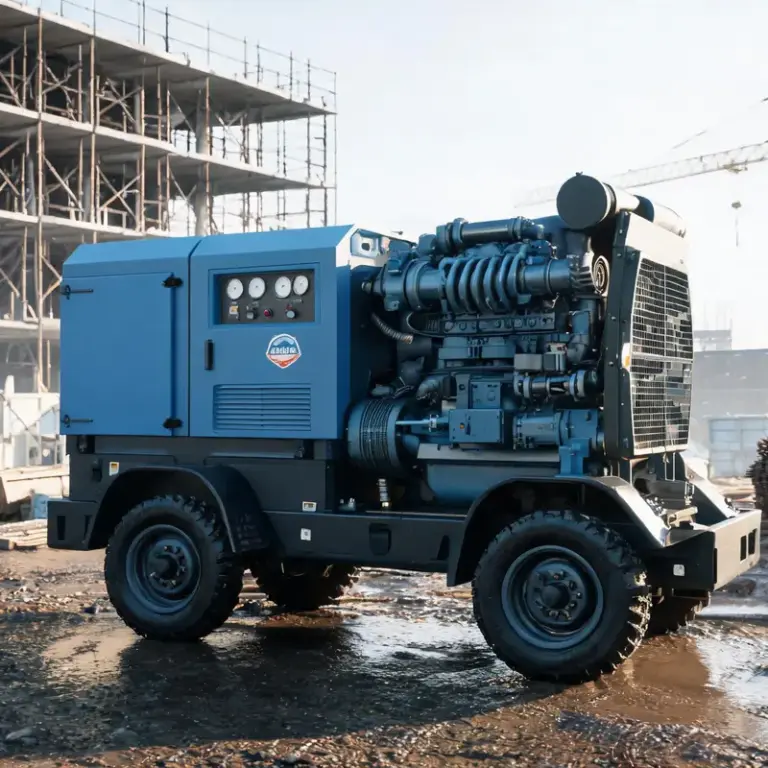
Break the switchover into small steps to avoid unexpected costs and delays. First, complete all site prep before your new unit arrives. High CFM units require reinforced foundations, proper ventilation, and upgraded exhaust lines that often don’t match the footprint of your old unit.
Second, after installation, run a 72-hour full-load test to confirm the actual CFM output matches the manufacturer’s rating. Many units advertise peak CFM that only holds under perfect conditions, so testing on site is non-negotiable.
Third, leave your old unit fully connected for at least 30 days before removing it. 2024 manufacturer pricing data shows site prep and installation add an average of 12% to 18% to the base unit cost. Include these costs in your initial budget request, not as change orders later.
Rollback Plan For Unexpected Issues
Even with thorough testing, issues can pop up during full production. The biggest risk of a botched upgrade is unplanned downtime that costs far more than the unit itself.
Keep all connections to your old unit intact for 30 days after you shift full production to the new unit. This gives you time to catch any issues with CFM output, fuel efficiency, or control integration that didn’t show up during testing. If a problem arises, you can switch back to the old unit in hours instead of days.
Never dispose of your old unit until you’ve completed two weeks of uninterrupted full production testing with the new unit. Add a clause to your vendor contract that requires correction or replacement if the unit fails to meet the rated CFM output on site.
Expert Insights
Match CFM rating to actual peak demand, not projected growth, to cut unnecessary upfront cost | Mark Henderson, Senior Compressed Air Project Manager
Further Reading
- High CFM Low Noise Diesel Portable Air Compressor for Industrial Operations
- Buying a Diesel Portable Air Compressor for Sandblasting Rust Removal in the US
- Latest Model Diesel Portable Air Compressors for Centrifugal Industrial Job Sites
- Low-Emission Energy-Saving Portable Diesel Air Compressor for Industrial Carbon Reduction
- # Latest Industry Trends for Diesel Portable Air Compressor in Centrifugal Industrial Applications
- Diesel Portable Air Compressor for Remote Site Sandblasting Work
- Budgeting for an Industrial Portable Dry Oil-Free Screw Compressor: Average Price and Upgrade Steps
- Do You Need 200 CFM Diesel Portable Air Compressor For Commercial Sandblasting Rust Removal?
About the Editorial Team
Frequently Asked Questions
What factors push cost above the average range for a high CFM unit?
Larger engine displacement, integrated smart controls, and weatherproofing for outdoor installations add $10,000 to $25,000 to base pricing.
Do I need to budget extra for installation beyond the base unit cost?
Yes, site preparation, installation, and old unit removal add 12% to 18% to total project cost on average in 2024.
When is a high CFM upgrade not worth the investment?
If your current system meets 98% of monthly peak demand, adjusting production schedules is a much cheaper fix.
Does CAGI publish standardized pricing benchmarks for these units?
CAGI publishes annual performance and pricing benchmarks for industrial units, updated most recently in 2024.
How can I avoid going over budget during my upgrade project?
Calculate your exact peak CFM demand first to avoid buying a larger unit than you actually need.