Common Questions Answered: Matching On-Truck Compressors to Mobile Construction Work
This guide answers top questions about selecting on-truck compressors for mobile diesel construction work.
Key Takeaways
- Start by confirming when this setup does not fit your work scope to avoid cost overruns
- Verify truck GVWR and total loaded weight before mounting to comply with DOT rules
- Add specific contract clauses to hold vendors accountable for compliance and lead times
- Check emissions and horsepower compatibility before finalizing your purchase
Related: sizing for construction · diesel power compatibility · truck mounting specs · job site reliability · load capacity check · regulatory compliance · hardware specs
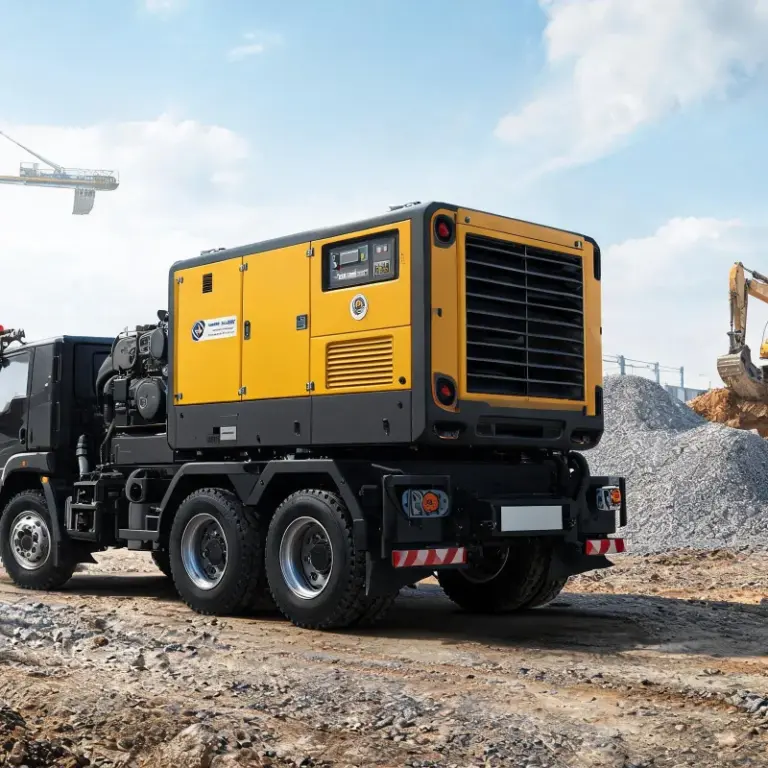
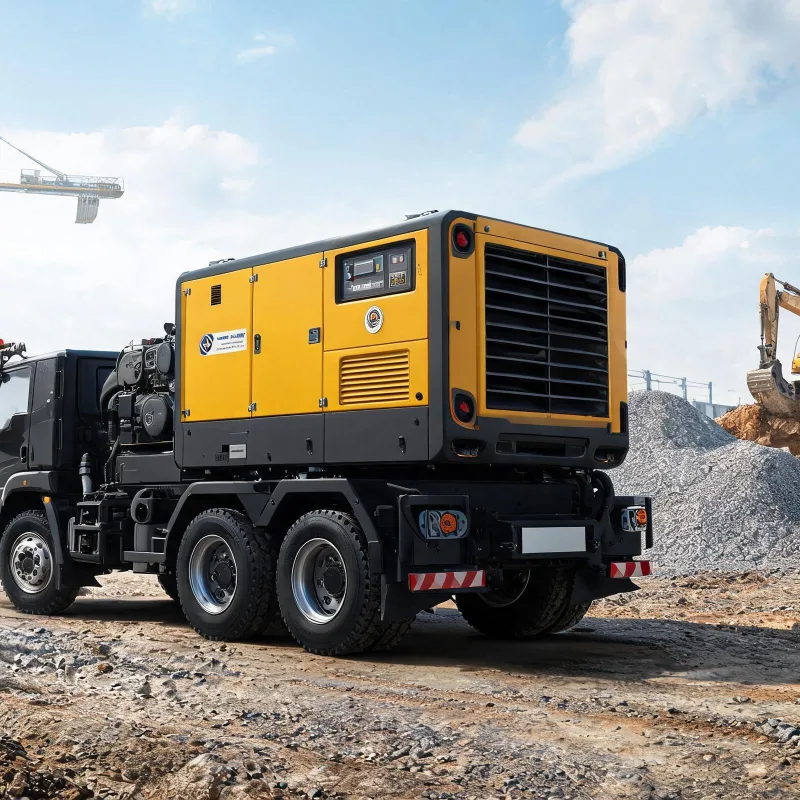
When is a truck mounted air compressor not the right fit?
This setup is designed for continuous, mobile use across multiple remote job sites per week. If you only work on a single fixed site for more than six months at a time, a stationary unit will cost 30-40% less to operate, per 2023 AEM equipment cost data.
If your total daily air demand exceeds 1800 CFM, a separate trailer-mounted unit will distribute weight better and avoid exceeding your truck’s gross vehicle weight rating.
That’s a common mistake we see on mid-sized projects.
Any job that requires static power for more than 10 consecutive hours of run time will also put excess wear on your truck’s drivetrain with this setup.
How do I verify chassis load capacity before mounting?
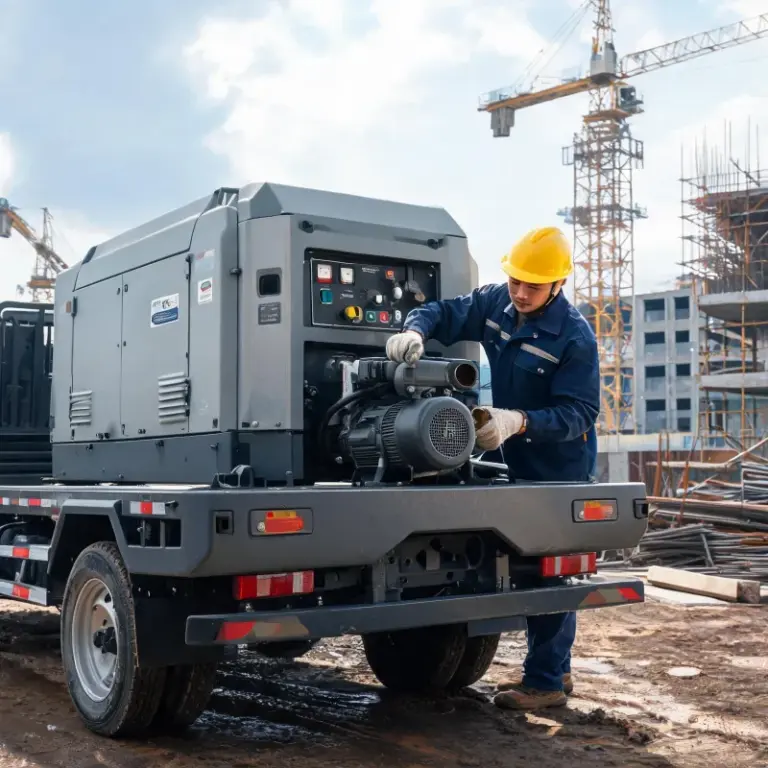
First, check your truck’s published GVWR from the original manufacturer. 2022 federal DOT regulations require all commercial work trucks to stay under published GVWR for on-road travel.
Add the weight of the compressor unit, full diesel fuel tank, all tools, and crew weight to get your total loaded weight.
Don’t skip this step.
Most vendors will list the dry weight of the unit, but you have to add 15-20% for coolant, oil and full fuel for the compressor’s own engine. If you’re buying through a third-party upfitter, get a signed weight ticket after mounting before you take delivery. That’s a non-negotiable procurement check.
What diesel power compatibility checks do I need to complete?
The compressor draws power from either the truck’s main diesel engine or a dedicated auxiliary diesel engine.
Do you know which setup your job requires?
For units tied to the truck’s main engine, you need to confirm the engine’s available horsepower after accounting for all other accessories. The 2023 Diesel Technology Forum published guidelines that recommend reserving a minimum of 25% of main engine horsepower for vehicle operation, even when the compressor is running at full load.
If you have an auxiliary engine, you need to confirm that the exhaust after-treatment system meets current EPA Tier 4 Final emissions standards for non-road diesel equipment. This is required for most public works job sites in the US.
What contract clauses should I include for procurement?
Most procurement teams skip these details and end up covering unexpected costs.
Include a clause that requires the vendor to provide a signed weight compliance document before installation. Second, add a 90-day on-road trial clause that allows you to reject the unit if fuel economy drops by more than 10% compared to the baseline truck fuel economy.
Specify that all mounting hardware must meet SAE J2807 standards from 2022 for crashworthiness.
This is a common gap in upfit contracts.
Make sure the contract includes the lead time for any required replacement components, with a maximum 3-business day lead time for critical parts, since you’re working across remote sites. If the vendor can’t meet that lead time, they should include a credit clause for unplanned downtime.
What common mounting mistakes cause premature failure?
The most common mistake is poor weight distribution across the truck frame. Mounting the entire unit too far forward or too far back puts excess stress on leaf springs and axle bearings, cutting working life by up to half per 2024 AEM field data.
Another mistake is not leaving enough clearance for heat dissipation from the diesel engine. If the compressor is mounted too close to the truck’s fuel tank or other heat-sensitive components, it can cause premature degradation of hoses and seals.
How often do you check clearances after mounting?
Buyer Guide
- Confirm your weekly job site rotation frequency to validate mobile need
- Calculate total CFM demand based on your highest output tool
- Verify GVWR before finalizing compressor size selection
- Confirm emissions compliance for your target job sites
Specs Snapshot
- Key parameters to check: dry unit weight, CFM at full load, horsepower requirement, emissions rating
- Compliance requirements: DOT GVWR, EPA Tier 4 Final, SAE J2807 mounting hardware
Pitfalls to Avoid
- Don’t skip the post-mounting weight ticket check
- Don’t ignore main engine horsepower reserve requirements
- Don’t forget to include spare parts lead time in your contract
Glossary
- GVWR: Gross Vehicle Weight Rating, maximum total weight allowed for a truck by the manufacturer
- CFM: Cubic Feet per Minute, measure of compressed air flow output
- Tier 4 Final: EPA emissions standard for non-road diesel equipment
Expert Insights
Focus on weight compliance first—most issues start with overlooking GVWR limits
— Jim Carter, Heavy Equipment Technical Lead
Further Reading
- Diesel Portable Air Compressor Solutions for Remote Site Compressed Air System Design
- What Size Diesel Portable Air Compressor You Need For Oil & Gas Well Servicing
- Debunking the Myth: Which Mobile Diesel Air Compressor Fits Your Job Site Needs
- Small vs Large Diesel Portable Air Compressor for Residential Projects
- Single Stage vs Two Stage: Which Portable Diesel Air Compressor Fits Your Job?
- High Pressure Diesel Portable Permanent Magnet VFD Compressor for Jackhammer Work
- Diagnosing Common Overheating Problems for Diesel Portable Air Compressor with Waste Heat Recovery
- Latest Trends: Integrating Diesel Portable Air Compressor Into Sustainable Complete Compressed Air System Design
About the Author

Related Reading: Operating Cost Analysis: Diesel Portable Air Compressor vs Gasoline Powered Models
Frequently Asked Questions
What CFM rating do I need for most mobile construction work?
For general construction tasks like powering portable tools, 185 to 375 CFM is sufficient for most small to mid-sized crews. Match your rating to the highest demand tool you run regularly.
Do I need an auxiliary diesel engine for my on-truck unit?
If you run the compressor for more than 2 hours at a time while parked, an auxiliary engine is better for preserving your truck’s main engine working life. For shorter intermittent use, a main engine driven unit works fine.
Are there emissions requirements for these units on public job sites?
Most US public works projects require EPA Tier 4 Final compliance for all non-road diesel equipment, including on-truck compressors. Confirm compliance before purchasing for public sector work.
How often should I perform routine checks on the unit?
Do a visual check of mounting bolts and fluid levels before each day of work. Do a full load test once every 30 days of operation to catch issues early.
Can I mount a unit to any light or medium duty work truck?
No. You must confirm your truck’s GVWR and available frame capacity before committing to a mount. Most light duty trucks can only support units under 500 CFM.