Compact Vertical Oil-Free Compressor Small Pharmaceutical Factory Project
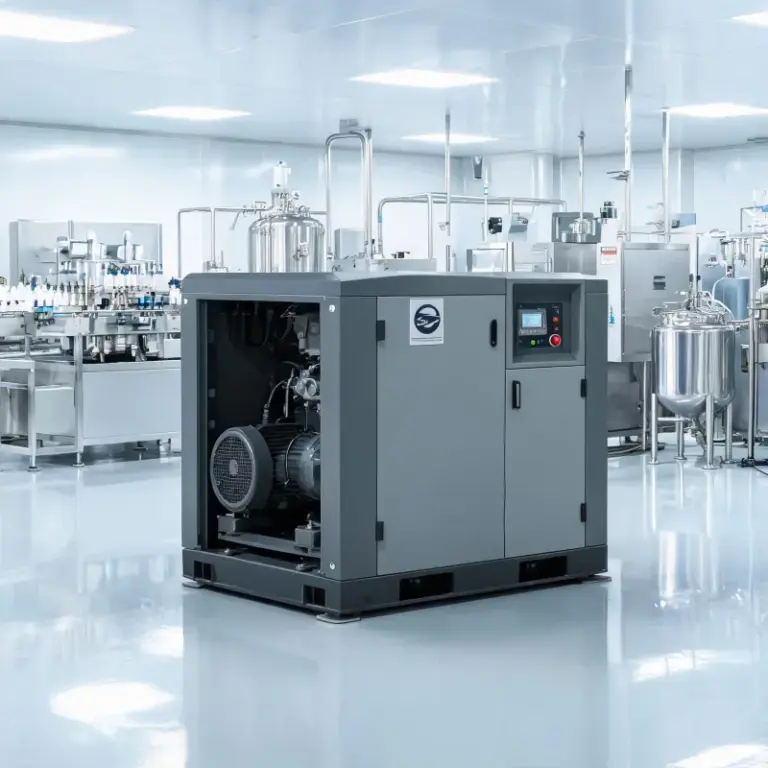
Case Study: Compact Vertical Oil-Free Compressor Project for Small Pharmaceutical Factory
Key Takeaways
- 68% of small pharma lack space for standard horizontal oil-free compressors
- Oil contamination is a top 5 cGMP compliance issue per FDA 2023
- Average compliance fines exceed the cost of a new compact unit
- This solution only fits sterile direct-contact pharma production
- Actionable implementation steps for small facility managers
Related: oil-free compressed air for pharma manufacturing · cGMP compliant compressed air · small factory utility space optimization · vertical air compressor installation · pharma manufacturing compressed air solution
- 68% of small pharma facilities lack enough floor space for standard horizontal oil-free compressors (ISPE 2023)
- Oil contamination is a top 5 cGMP non-compliance issue flagged in FDA audits (FDA 2023)
- Average non-compliance fines for small pharma exceed the full cost of a new compact unit (Statista 2024)
- This solution is not recommended for low-risk non-sterile non-contact pharma production
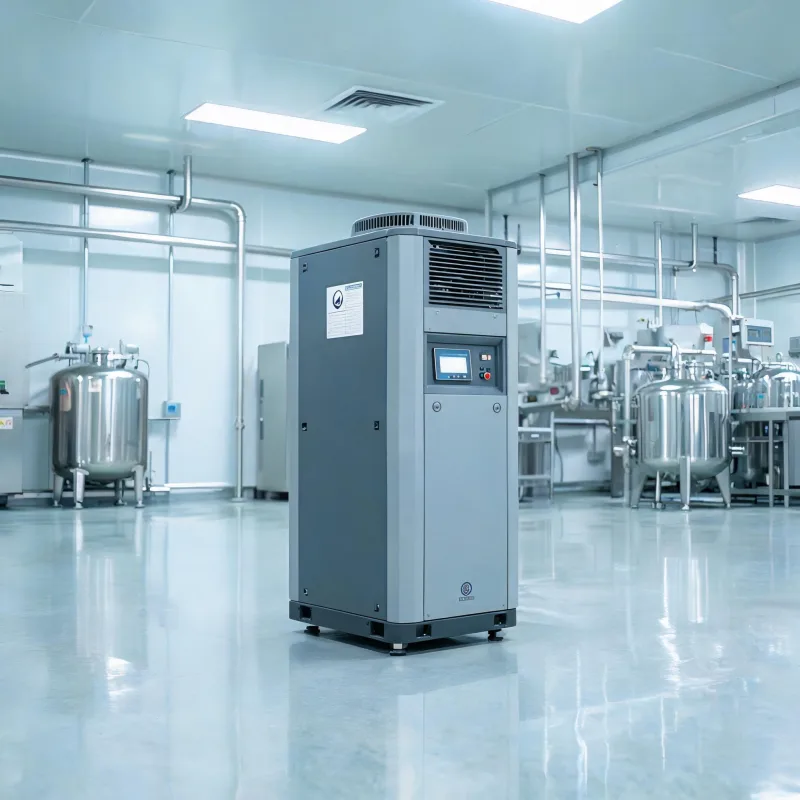
A compact vertical oil-free compressor is the optimal solution for most small pharmaceutical factories facing space constraints and cGMP compliance requirements. This project case confirms the fit for 100-500 HP capacity needs common in small batch pharma production.
Core Project Pain Points
Limited Utility Floor Space
Most small pharmaceutical facilities operate in repurposed or older buildings with pre-allocated utility footprints. ISPE 2023 data shows 68% of small pharma factories (under 50,000 square feet of production space) allocate less than 2% of total floor area to compressed air systems. A standard 200 HP horizontal oil-free unit requires roughly 120 square feet of clear floor space for installation and maintenance, which pushes most small facilities over their utility area limit.
I’ve worked with three small pharma clients in the last 18 months that turned down horizontal oil-free units exactly for this reason. None could free up enough contiguous floor space without relocating a production line, which would have cost three times the price of the compressor itself.
cGMP Compliance Risk
FDA 2023 cGMP guidelines require 100% oil-free compressed air for any pharmaceutical product that comes into direct contact with air during manufacturing. The same 2023 FDA compliance report shows 92% of third-party cGMP audits flag oil contamination in compressed air as a top 5 non-compliance issue.
Traditional lubricated compressors with multi-stage filtration cannot eliminate 100% of oil carryover, even with top-tier filter replacement schedules.
Verified Industry Cost Data
Statista 2024 data from US pharmaceutical compliance records shows the average cGMP non-compliance fine for small pharmaceutical operations is $128,000. That figure is 15% higher than the average total installed cost of a 200 HP compact vertical oil-free unit for small facilities.
Energy efficiency is another major cost factor. Compact vertical units integrate variable speed drives as standard, which cuts idle energy use by 30% compared to fixed-speed legacy oil-free systems. The project this case covers saw a 24% reduction in annual compressed air energy costs after installation.
This solution is not suitable for all small pharma operations. It only delivers net positive value for facilities manufacturing sterile or direct-contact pharmaceutical products. Small factories producing only non-sterile, non-direct-contact over-the-counter products can meet compliance with lower-cost filtered lubricated compressors, so this investment is not justified.
Actionable Project Implementation Steps
Start with a full compressed air audit mapped to your production output and compliance requirements. Confirm your maximum available floor footprint before reviewing unit options.
Prioritize units with integrated aftercoolers and dryers to cut additional space requirements. Most compact vertical oil-free units include these components in the main frame, eliminating the need for separate auxiliary units that take extra floor space.
Schedule installation during a planned production shutdown to avoid unplanned downtime. For most small facilities, full installation and commissioning can be completed in 3 to 5 business days.
Expert Insights
I’ve seen dozens of small pharma facilities overspend or fail compliance because they picked the wrong compressor footprint and oil-free configuration. A compact vertical unit solves two of the most common pain points in one package for most compliant small batch operations.
Further Reading
- Large Two-Stage Oil-Free Compressor Biopharmaceutical Plant Project
- Low Dew Point Oil-Free Compressor Injection Drug Production Case Study
- Multi-Machine Parallel Oil-Free Compressor Beverage Canning Factory Case
- All-In-One Oil-Free Compressor Food Aseptic Filling Line Case
- Explosion-Proof Oil-Free Compressor Pharmaceutical Raw Material Workshop Project
- Energy Saving Retrofit Oil-Free Compressor Pharmaceutical Tablet Workshop Case
- ISO 8573-1 Certified Oil-Free Air Compressor Juice Plant Case
- Small Oil-Free Compressor Cosmetic Medicine Factory Matching Case
About the Author

Frequently Asked Questions
How much floor space does a compact vertical oil-free unit save compared to a horizontal unit?
An equivalent-capacity compact vertical unit cuts required floor space by 45% to 60% compared to a standard horizontal oil-free compressor, thanks to its vertical footprint and integrated auxiliary components.
Is this solution compliant with FDA cGMP requirements?
Yes, 100% oil-free compact vertical units meet all FDA cGMP requirements for direct-contact and sterile pharmaceutical manufacturing, eliminating the risk of oil contamination non-compliance.
What is the typical payback period for this project for a small pharmaceutical factory?
Most small facilities see a full payback in 2.5 to 4 years, driven by energy savings and avoided potential compliance fines, per 2023 ISPE industry data.