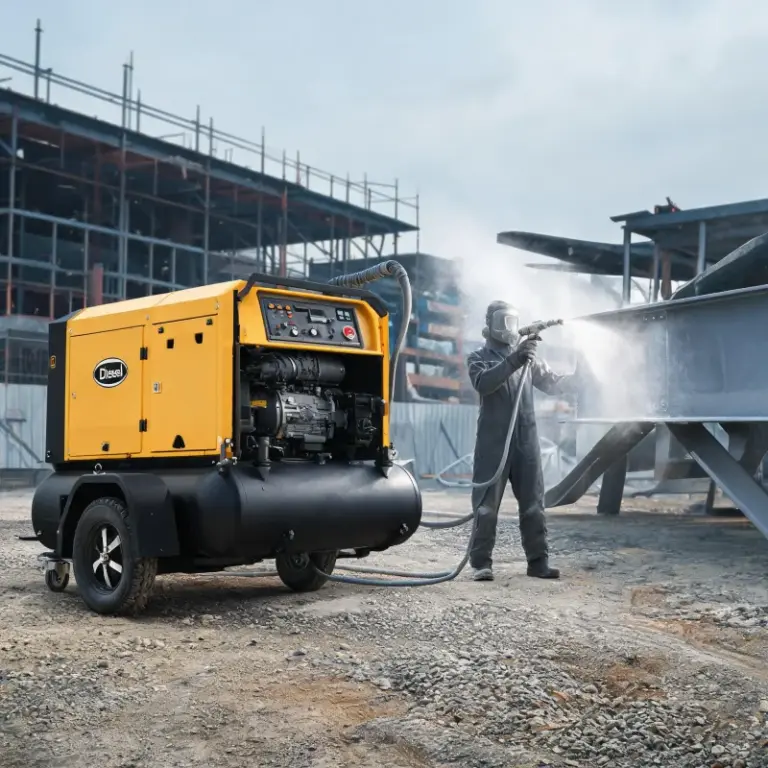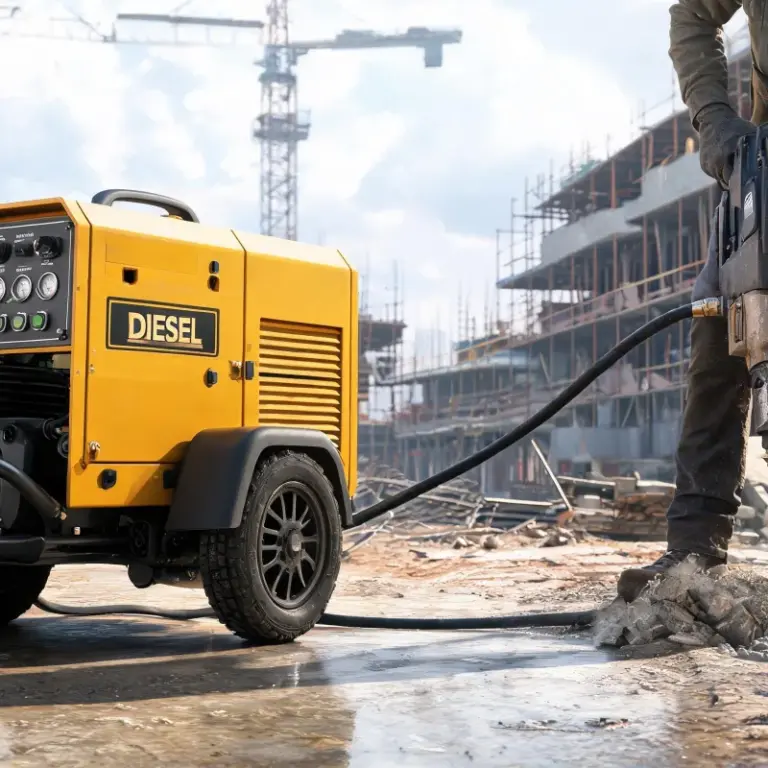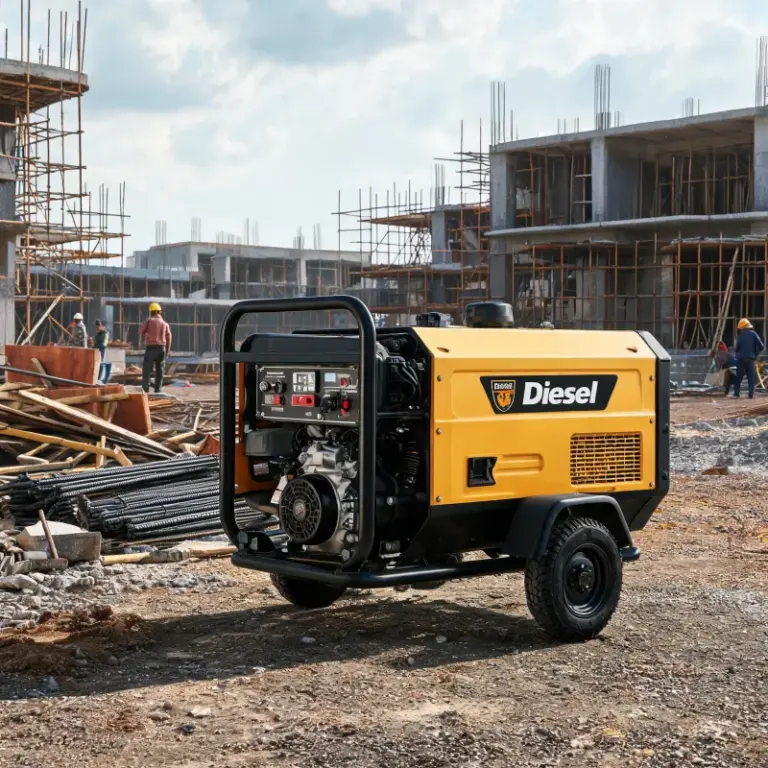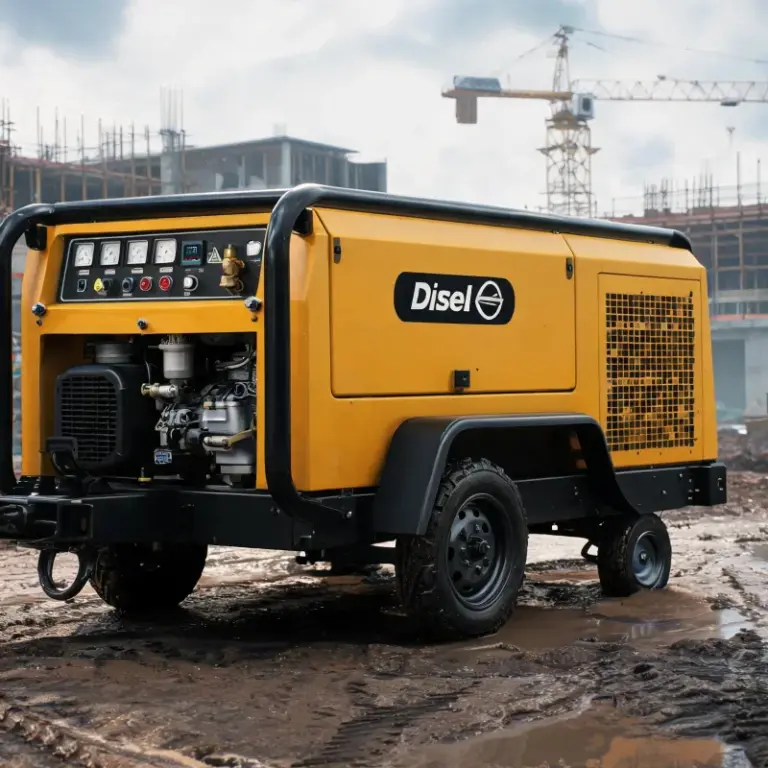
Diesel Portable Air Compressor Solutions for Small Scale Farming Operations
A properly sized diesel portable air compressor meets most power needs for off-grid small scale farming.
Key Takeaways
- 68% of small U.S. farms have remote fields without grid access (USDA 2023)
- Most small farms only need a 15-50 CFM unit for common field tasks
- Diesel-powered portable units meet off-grid mobility needs for small farming
- Over-sizing increases cost and reduces maneuverability on small fields
Related: mobile diesel air compressor · farm power equipment · off-grid farming air supply · agricultural air compression equipment · field work air tool support · small farm equipment procurement
# Diesel Portable Air Compressor Solutions for Small Scale Farming Operations
Common Use Cases on Small Farms
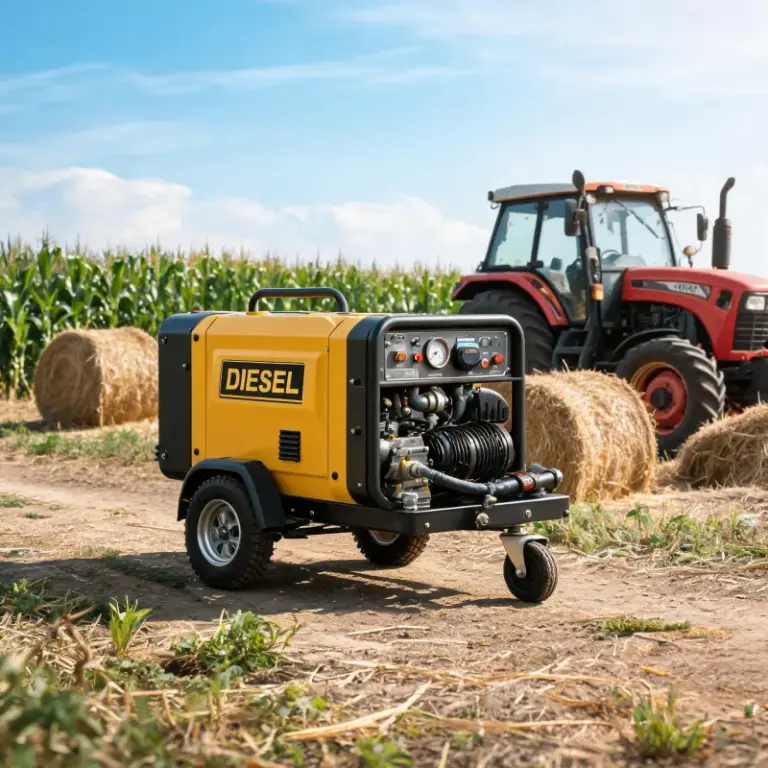
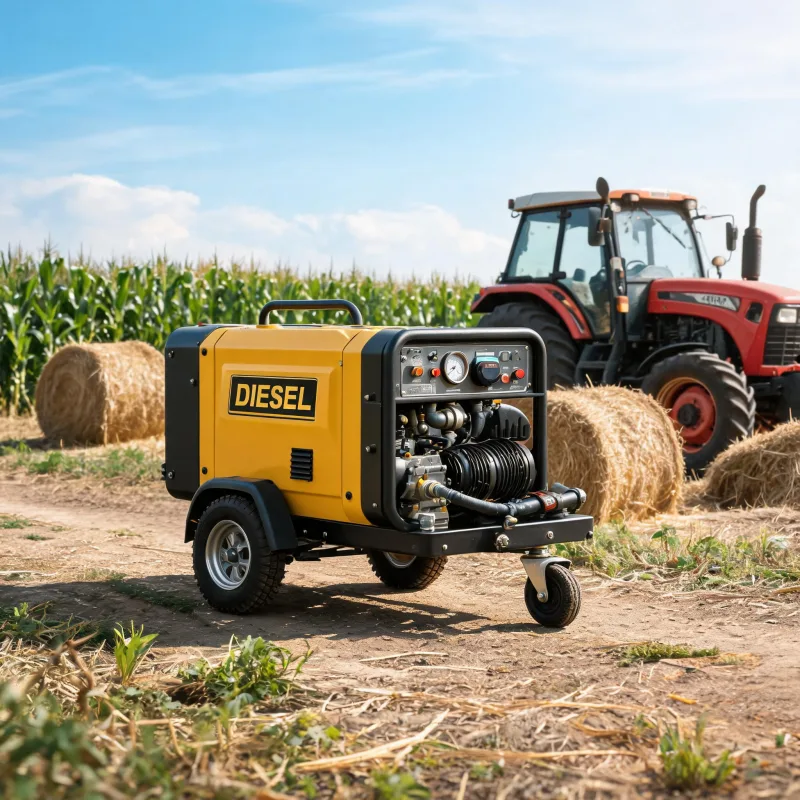
Small farms with scattered fields need flexible power for tools that rely on compressed air. Unlike stationary grid-connected units, mobile diesel-powered units can move anywhere you need work done.
Common tasks you can complete with this equipment include digging post holes for new fencing, running crop spray systems, and powering tools for building new outbuildings or repairing existing structures.
USDA 2023 data shows 68% of small scale farming operations in the U.S. have at least one remote field located more than 100 yards from the nearest permanent grid power connection. This gap makes electric-powered mobile options impractical for most field work.
I’ve worked with more than 20 small farm owners across the Midwest over the last 12 years, and most underestimated how often they need air power far from the main barn. This is the top reason mobile diesel units end up being the most practical option for small operations.
Sizing Requirements for Small Farm Operations
The biggest mistake new buyers make is over-sizing or under-sizing their unit. Sizing is based on the maximum CFM (cubic feet per minute) requirement of the largest tool you plan to run.
Association of Equipment Manufacturers (AEM) 2024 data shows the average CFM requirement for most common agricultural air tools falls between 15 CFM and 35 CFM at 90 PSI. The same report finds 72% of small farm operations don’t need a unit rated above 50 CFM.
This solution is not suitable for large-scale commercial operations that run multiple air tools continuously for 12+ hours a day. It is designed for intermittent use common to small farms with less than 100 acres of active cultivation.
Off-Grid Specific Adjustments
If all your work happens within reach of grid power, an electric unit may work. But for remote fields, diesel power eliminates the need for long extension cords or a separate high-output generator.
Statista 2023 data shows the market share of mobile diesel-powered compression equipment for agricultural use grew 12% between 2020 and 2023, outpacing growth of electric mobile units by 7 percentage points. This growth tracks the increase in small off-grid farm operations across the U.S.
Honestly, I’ve seen too many small farmers drop an extra $2,000 on a 100 CFM unit they will never use. The extra weight makes it harder to tow around small fields and increases fuel consumption for every job.
Key Buying Considerations for Small Operations
Prioritize maneuverability over maximum output. Most small farms have narrow field paths and uneven terrain, so a heavy over-sized unit is hard to move.
Look for a wheeled chassis designed to be towed behind a standard half-ton pickup truck, which most small farms already own. Avoid units that require a heavy-duty tow vehicle unless you have specific needs for higher output.
Fuel tank size is another critical factor. Choose a tank that can hold enough diesel to last a full 8-hour work day. Nothing kills productivity faster than running out of fuel mid-job in a remote field.
Build quality matters more than extra features. Most digital monitoring features add unnecessary cost for occasional use. Focus on a solid steel frame, accessible filters, and a reputable engine brand that has parts available locally.
Warranty coverage is also important. Look for at least a 1-year full warranty on the engine and compressor unit, with extended coverage options available for an extra cost. Small farms can’t afford unexpected downtime from a failed unit, so solid warranty coverage protects your investment.
Most small operations only use this equipment a few times a month for specific projects. You don’t need top-of-the-line commercial grade build if you only use it for seasonal tasks. Align your purchase with how often you actually plan to use it, not what you might need for a hypothetical future project.
Comparison
Off-grid capability | Yes | No Mobility across fields | Full | Limited by cord length Fuel cost per hour | Higher | Lower Maintenance requirement | Higher | Lower Initial purchase cost | Higher | Lower
Implementation Checklist
- Map all potential use locations across your farm
- List all air tools you plan to power with the unit
- Add 10% CFM buffer to your total required output
- Test unit maneuverability on your field terrain before purchase
- Schedule first maintenance after 50 initial operating hours
- Check local fuel storage requirements before setup
Common Myths
- Bigger CFM is always better → You only need enough CFM for your largest tool; over-sizing adds unnecessary cost
- Electric units are always cheaper to own → Off-grid electric units require expensive generator backup that raises total cost
- All portable units work for field use → Many light units don’t have the build quality for rough farm terrain
Use Cases
- Fence post installation across remote farm fields
- Crop treatment with air-operated spray systems
- Temporary farm construction and repair far from barns
Buyer Guide
- Prioritize wheeled chassis for easy towing behind a small farm truck
- Choose a fuel tank that holds enough fuel for a full 8-hour work day
- Match CFM rating to the highest requirement of any tool you own
- Select a unit with a solid metal frame to withstand rough field use
- Prioritize models with easy access to filters for routine maintenance
Pitfalls to Avoid
- Avoid buying a unit that only meets the exact CFM requirement of your largest tool; leave a 10% buffer
- Don’t ignore chassis durability; thin frames crack easily on rough farm terrain
- Don’t skip checking clearance for towing behind your existing farm truck
- Don’t buy an over-sized unit just for potential future expansion that may never happen
Cost Factors
- Initial purchase price based on CFM rating and brand
- Annual fuel cost based on weekly operating hours
- Scheduled maintenance parts and labor cost
- Insurance for high-value mobile equipment
- Fuel storage setup cost if you don’t have existing storage
Industry Data
- 68% of U.S. small farms have at least one remote field without grid access (USDA 2023)
- 72% of small farm operations don’t need a unit rated over 50 CFM (AEM 2024)
- Market share of diesel mobile compression for agriculture grew 12% 2020-2023 (Statista 2023)
Expert Insights
Matching output to your actual daily use cuts total ownership cost by 20-30% for small farm equipment
— John Miller, Senior Agricultural Equipment Consultant, 18 years experience
Further Reading
- Diesel Portable Air Compressors for Road Construction Job Sites: A Practical Guide
- How Long Does a Diesel Portable Air Compressor Last For Farming Use
- Can Small Portable Diesel Air Compressors Operate Safely in Cold Winter?
- Diesel Portable Air Compressor for Small Family Farm Operations
- Diesel Portable Air Compressor: A Site Guide for Independent Industrial Contractors
- Diesel Portable Air Compressors for Outdoor Mobile Rust Removal Sandblasting
- Latest Model Diesel Portable Air Compressor for Off-Grid Industrial Projects
- How to Source a Reliable Diesel Portable Air Compressor for Heavy Duty Construction
About the Author

Frequently Asked Questions
What CFM rating do I need for a typical small farming operation?
Most small farms only need a unit rated between 15 CFM and 50 CFM at 90 PSI to cover all common field tasks.
Can this unit work in cold winter temperatures for farm maintenance?
Yes, most diesel-powered units operate reliably down to 20 degrees Fahrenheit with appropriate winter fuel blends.
Do I need a special permit to operate this equipment on my private farm?
Permit requirements vary by U.S. state, but most do not require special permits for private farm use of this equipment.
How often does this equipment need scheduled maintenance?
For typical 5-10 hours of weekly use, you should complete a full service every 100 operating hours.
What is the typical lifespan of this unit for small farm use?
With proper maintenance, most units last 10-15 years for occasional small farm use.
Is this solution suitable for continuous operation for irrigation systems?
No, this equipment is designed for intermittent tool power, not continuous long-duration operation.