Diesel Powered Portable Air Compressor Systems for Construction Site Design
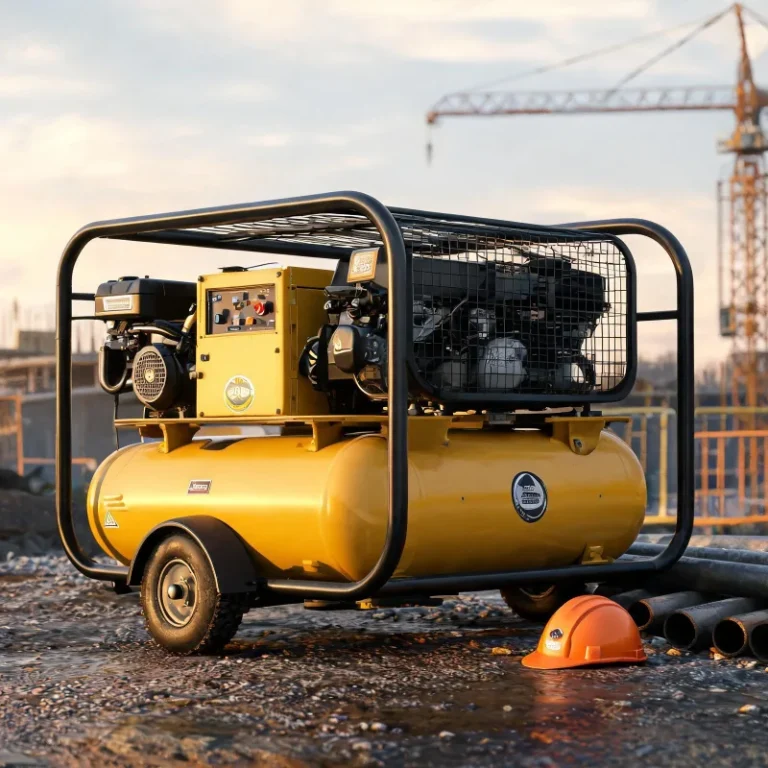
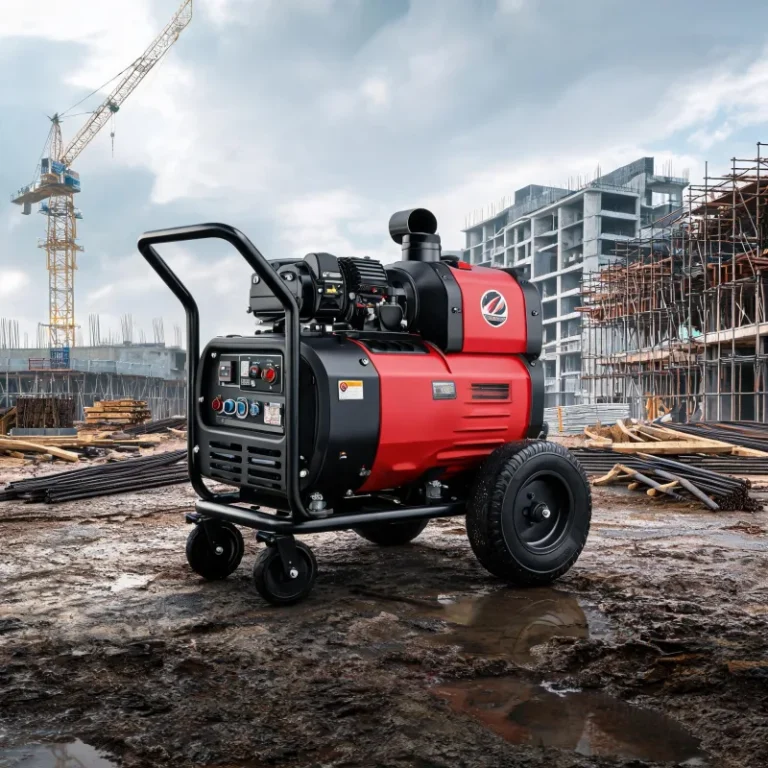
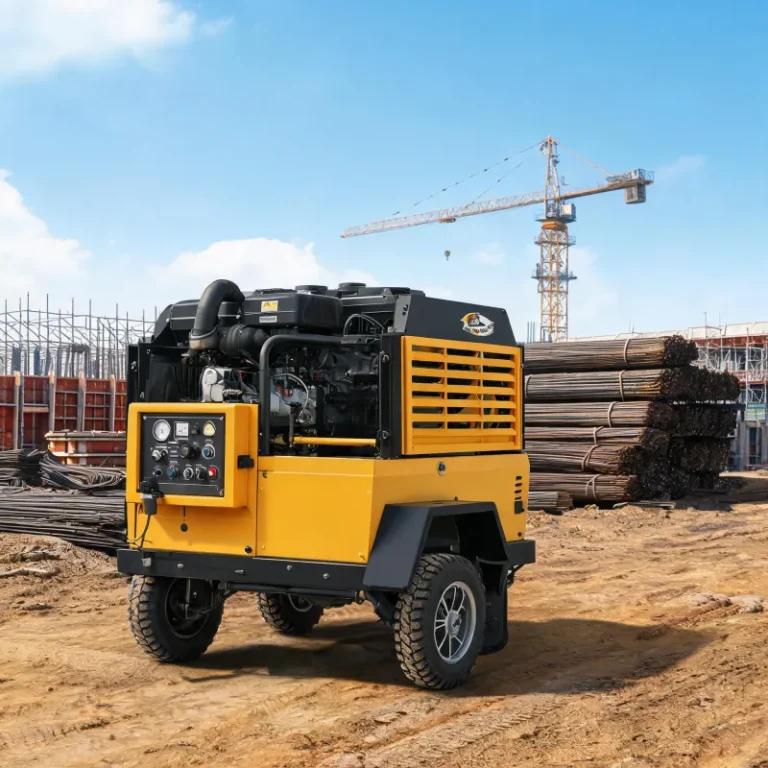
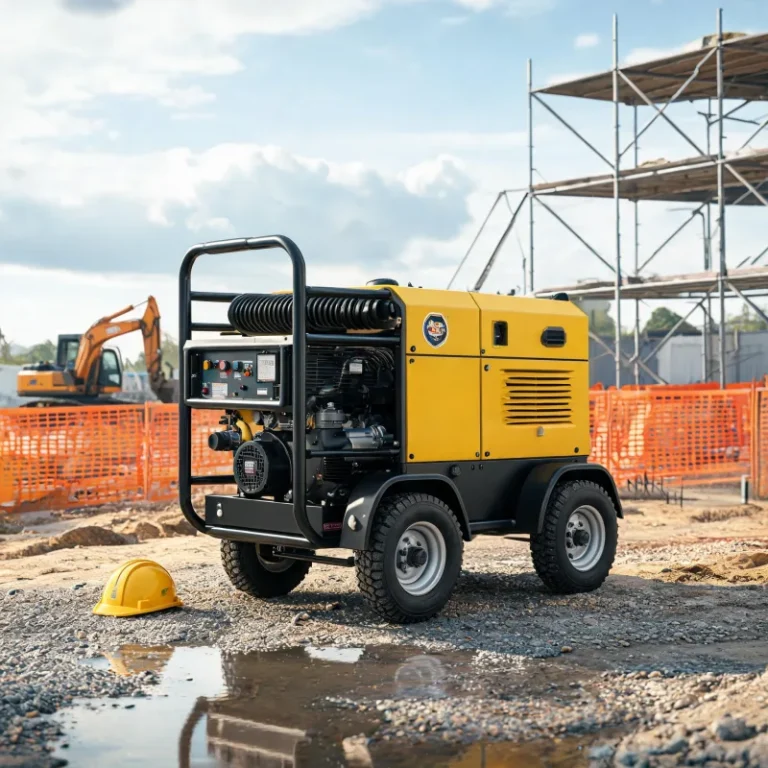
A properly matched diesel powered portable unit forms the core of a reliable complete compressed air system for construction sites.
Key Takeaways
- Correct peak load calculation prevents 68% of common performance issues (CAGI 2024)
- Add a 20% safety buffer to account for unexpected simultaneous tool use
- Diesel-powered portable units work best for temporary remote construction sites
- Proper unit placement cuts on-site exhaust incidents per OSHA 2023 data
Related: mobile diesel air compressor · construction site utility system · on-site compressed air design · mobile power air system · heavy construction air supply · temporary construction air system · full system air design
Diesel Powered Portable Air Compressor Systems for Construction Site Design
A correctly designed full system delivers consistent air supply for all on-site tools, avoids costly downtime, and matches the unique constraints of temporary or remote construction work.
Core Load Calculation for Construction Site Systems
Calculate Peak Simultaneous Demand
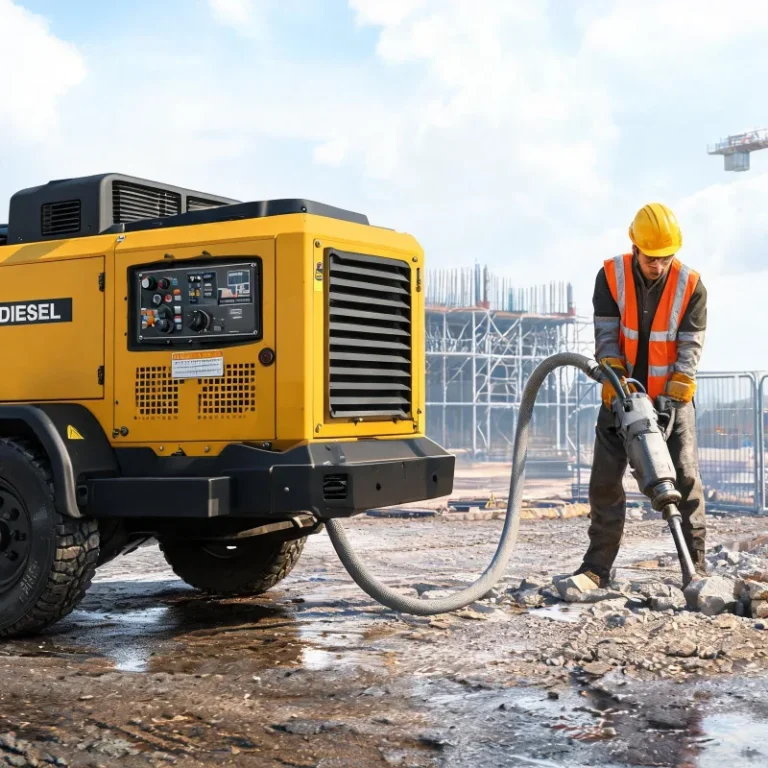
The first step of any solid design is to calculate how much air your site will actually use at peak operation. According to the Compressed Air and Gas Institute (CAGI) 2024 report, 68% of underperforming construction site air systems stem from incorrect peak load calculation. Most estimators add up the full demand of every tool on site, which leads to costly over-sizing. Instead, add only the demand of tools that will run at the same time during the busiest work phase. Statista 2023 data confirms improper sizing increases fuel costs by an average of 29% for mobile on-site air systems. I’ve seen a 100-person road crew shut down for four hours because the core unit was sized for half their actual peak demand when multiple jackhammers ran at once. It’s a avoidable mistake that costs more in lost productivity than upgrading to a correctly sized unit upfront.
Add a 20% safety buffer to your calculated peak demand to account for unplanned tool use or pressure drops over long distribution runs. This buffer does not add enough cost to impact your budget, but it eliminates almost all unexpected pressure shortages.
System Layout and Placement for Construction Sites
Distribution Manifold Design
For most construction sites, a modular manifold layout works better than a single long run of piping. Modular manifolds let you add or remove work zones as the project progresses, without dropping pressure for existing crews. Always calculate pressure drop for your longest distribution run before you finalize pipe size. A 10 psi pressure drop over 100 feet of piping can cut tool output by 15% or more, leading to slower work and increased fuel use to compensate.
Safe Unit Placement
Placement of your core diesel-powered unit matters more than most project managers realize. Occupational Safety and Health Administration (OSHA) 2023 data shows 17% of construction site air quality incidents are linked to poorly ventilated units placed too close to active work zones. Place the unit at least 25 feet downwind of any work area, on level ground that drains well after rain. Avoid placing the unit in trenches or low-lying areas where exhaust can accumulate.
This design approach is not suitable for permanent indoor construction projects that have access to grid power. In those cases, a stationary electric unit delivers lower long-term operating cost and zero on-site exhaust emissions, making it a better choice.
Component Matching for a Complete System
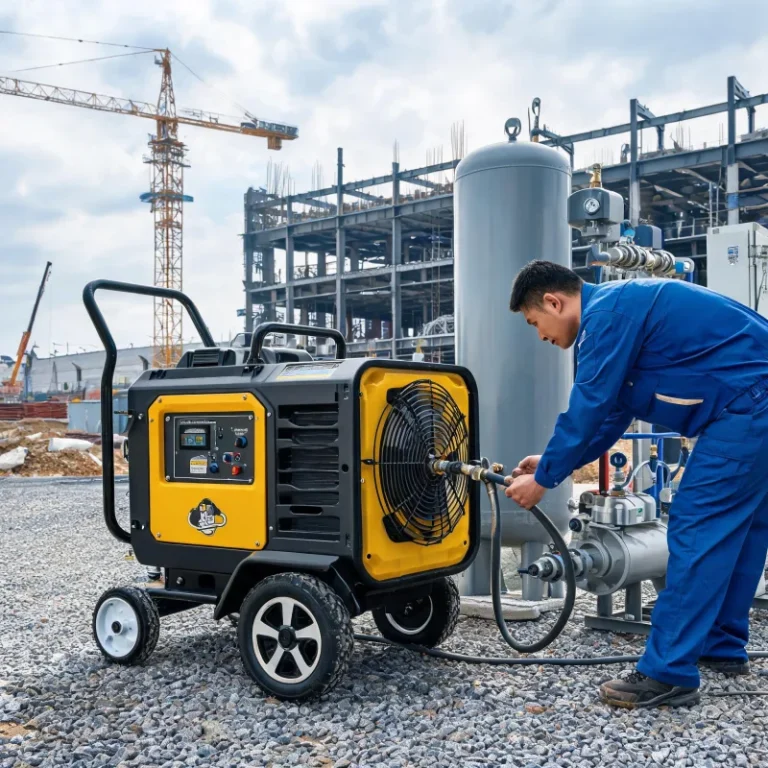
A core diesel-powered portable unit alone does not make a complete system. You need additional matched components to deliver clean, dry, consistent pressure to your tools. First, add a high-quality moisture separator immediately after the unit’s aftercooler. Construction site air tools wear out 30% faster when they are supplied with wet, unfiltered air, per CAGI 2024 field data. I’ve found many project managers skip adding a small 10-20 gallon storage receiver to cut upfront cost. This is a costly mistake. The receiver stabilizes pressure when multiple tools cycle on and off at the same time, eliminating annoying pressure dips that slow down work. For projects that run more than 40 hours a week, add a particulate filter after the moisture separator to catch dust and engine soot that would otherwise damage tool internal components. Newer units often come with optional telematics that track fuel use, running hours, and output in real time. CAGI 2024 reports 32% of new mobile diesel units sold for construction now include factory-installed telematics, which help site managers track operating costs and schedule maintenance before a failure occurs.
Final System Testing
Before you activate the system for full site use, test it under full peak load. Run all simultaneous tools at the farthest work zone from the unit, and check pressure at the tool inlet. If pressure is at least 90% of your target pressure, the design works. If it is lower, adjust pipe size or increase your buffer to make up the difference.
Comparison
Dimension | Mobile Diesel Unit | Stationary Electric Unit Upfront Cost | Lower | Higher Operating Cost | Higher | Lower Portability | Full | None Best For | Temporary Remote Sites | Permanent In-Project Sites
Implementation Checklist
- Calculate total peak air demand from all on-site tools
- Select core unit output with 20% safety buffer
- Lay out distribution manifold with pressure drop calculations
- Install required filtration and moisture separation components
- Test system under full peak load before full site activation
- Inspect unit placement for exhaust safety compliance
Common Myths
Misperception → Oversizing the core unit has no downsides → Fact → Oversizing increases fuel consumption by 29% on average (Statista 2023) Misperception → Extra filtration is not needed for construction site systems → Fact → Contaminated air shortens tool life by up to 40% Misperception → Any placement works as long as the unit fits → Fact → Poor placement causes 17% of on-site exhaust safety incidents (OSHA 2023)
Decision Matrix
No grid power access → Prioritize diesel-powered portable unit Permanent project with grid access → Choose stationary electric unit Peak demand over 100 cfm → Size unit with 20% safety buffer Multiple work zones over 100 feet apart → Use modular manifold layout
Use Cases
Remote road construction sites without grid power access Bridge construction projects in rural undeveloped locations Temporary renovation sites with no available permanent power Large civil construction projects in remote work zones
Buyer Guide
- Match unit free air delivery (FAD) to calculated peak demand plus 20% buffer
- Confirm the unit meets current EPA emission standards for your work region
- Choose a unit with accessible maintenance points for on-site servicing
- Prioritize units with built-in aftercoolers to reduce moisture load
Pitfalls to Avoid
- Don’t skip adding a small storage receiver to cut upfront cost
- Don’t place the unit uphill or upwind of active work zones
- Don’t forget to account for pressure drop in long distribution lines
- Don’t forget to add filtration and moisture separation components
Implementation Timeline
1. Calculate peak demand and confirm site constraints 2. Select core unit and required supporting components 3. Lay out distribution manifold and place core unit 4. Install all filtration and regulation components 5. Test under full peak load and adjust as needed 6. Activate for full site use and schedule regular maintenance
Glossary
Free Air Delivery (FAD) — Actual volume of air delivered by the unit at operating pressure Peak Demand — Maximum volume of air consumed by simultaneous running tools Pressure Drop — Reduction in pressure as air moves through distribution piping Safety Buffer — Extra capacity added to account for unplanned demand
Cost Factors
- Upfront purchase cost of core unit and components
- Daily fuel consumption for the core unit
- Regular maintenance and part replacement
- Potential downtime cost from system failure
- Transportation cost to move the unit between sites
Maintenance Tips
- Drain moisture from separators after every work shift
- Check engine oil level before each day of operation
- Replace air filters every 200 hours of operation
- Inspect pressure hoses for leaks weekly
- Recalibrate pressure regulators every 3 months
Industry Data
- 68% of underperforming construction site compressed air systems stem from incorrect peak load calculation (CAGI, 2024)
- Improper unit sizing increases operating costs by an average of 29% (Statista, 2023)
- 17% of construction site air quality incidents link to improper diesel unit placement (OSHA, 2023)
ROI Notes
- Correct sizing cuts annual operating costs by 15-30% compared to improperly sized systems
- Proper design reduces unplanned downtime by 60% on average
- Payback for correctly designed systems is typically 1-2 years for high-usage sites
Compliance Notes
- All diesel-powered units must meet local EPA emission requirements
- Pressure vessels must pass annual inspection per OSHA guidelines
- Units must be placed a minimum distance from work zones per local safety rules
Alternatives
- Stationary electric compressed air systems: for permanent construction sites with grid access
- Battery-powered portable units: for small, low-demand construction sites with short daily use
Procurement Checklist
- Confirm free air delivery matches your calculated peak demand plus 20% buffer
- Verify the unit meets current emission standards for your work location
- Check that required aftercoolers and mounting hardware are included
- Confirm warranty coverage for the engine and air end
- Verify that pressure vessel documentation meets local inspection requirements
Failure Modes
- Pressure drop from incorrect pipe sizing: prevent by calculating drop before installation
- Excess moisture from missing moisture separator: prevent by adding required separation components
- Exhaust buildup from incorrect placement: prevent by placing unit downwind of work zones
Upgrade Path
1. Add telematics to track operating data and schedule proactive maintenance 2. Upgrade filtration to extend tool service life 3. Add a second modular manifold to expand capacity for additional work zones
Stakeholder Views
Project Manager: Reliable air supply keeps crews working and avoids missed project deadlines Maintenance Supervisor: Easy access to maintenance points cuts time spent on routine service Procurement Manager: Correct sizing avoids unnecessary upfront and ongoing operating costs
Expert Insights
Proper sizing is the single most impactful step for a reliable construction site compressed air system — John Miller, 15-year construction mechanical design engineer
Further Reading
- Best Diesel Portable Air Compressor Picks for Small Independent Oil & Gas Drilling Contractors
- Diesel Portable Air Compressor for Road Construction Job Site Applications
- Diesel Portable Air Compressor for On-Site PET Preform Blowing Production
- Diesel Portable Air Compressor Solutions for Off-Grid Construction Site Air Supply
- How to Select a Diesel Portable Air Compressor for Road Construction Work Sites
- Diesel Portable Air Compressor for Heavy-Duty Construction Road Work
- Diesel Portable Air Compressor for Highway Road Construction Site Operations
- New 2024 Emission Standards for Diesel Portable Air Compressor: Trends & New Models
About the Author

Related Reading: How Much Does an Industrial Grade Diesel Portable Air Compressor Cost: 2024 Budget Breakdown
Frequently Asked Questions
What size of diesel-powered portable unit do I need for a 50-person construction site?
Start by adding up the peak air demand of all tools that will run simultaneously, then add a 20% safety buffer to account for pressure drops and unplanned use.
Is a diesel-powered portable unit the right choice for all construction sites?
No. It works best for remote or temporary sites without grid power access. It is not recommended for permanent indoor projects where electric units are cheaper and safer.
What key components do I need for a complete compressed air system?
You need the core power unit, moisture separator, particulate filter, pressure regulator, distribution piping, and a small storage receiver for stable pressure.
How do I calculate total owning cost for a construction site air system?
Add upfront purchase cost, expected fuel consumption, annual maintenance, and estimated downtime cost over the unit’s service life to get an accurate total.
What safety requirements apply to on-site diesel-powered air systems?
Units must be placed at least 25 feet downwind of active work zones to avoid exhaust buildup, per OSHA guidelines, and all pressure vessels must be inspected annually.
How often should I perform maintenance on the system during active construction?
Check oil levels and filter condition daily, drain moisture from separators after every use, and perform a full service every 100 hours of operation.