How High-CFM Mobile Dry Oil-Free Screw Compressors Are Shifting Industrial Deployment
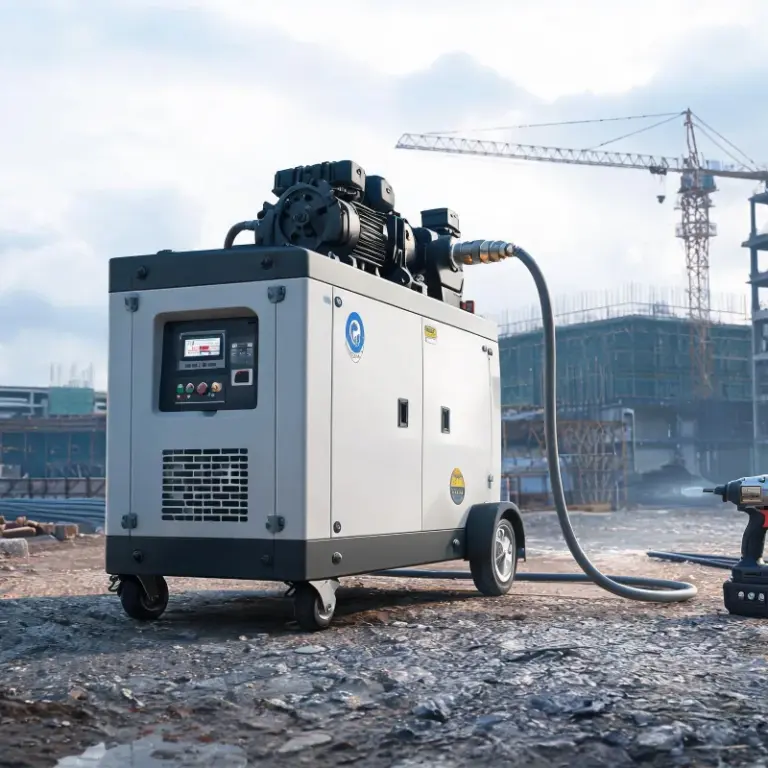
The shift toward portable high-CFM oil-free screw units is reshaping flexible industrial continuous operation.
Key Takeaways
- CAGI 2023 data shows 47% year-over-year growth in shipments of high-CFM portable oil-free screw units
- New designs meet ISO 8573-1:2010 clean air standards required for continuous industrial use
- 100% continuous duty rating is a non-negotiable specification to verify before purchase
- These units are not cost-effective for fixed-location permanent base load demand
Related: continuous industrial operation · mobile industrial air supply · dry oil-free compression · high flow air supply · portable industrial equipment · continuous duty compression
The Shift Signal We’re Tracking
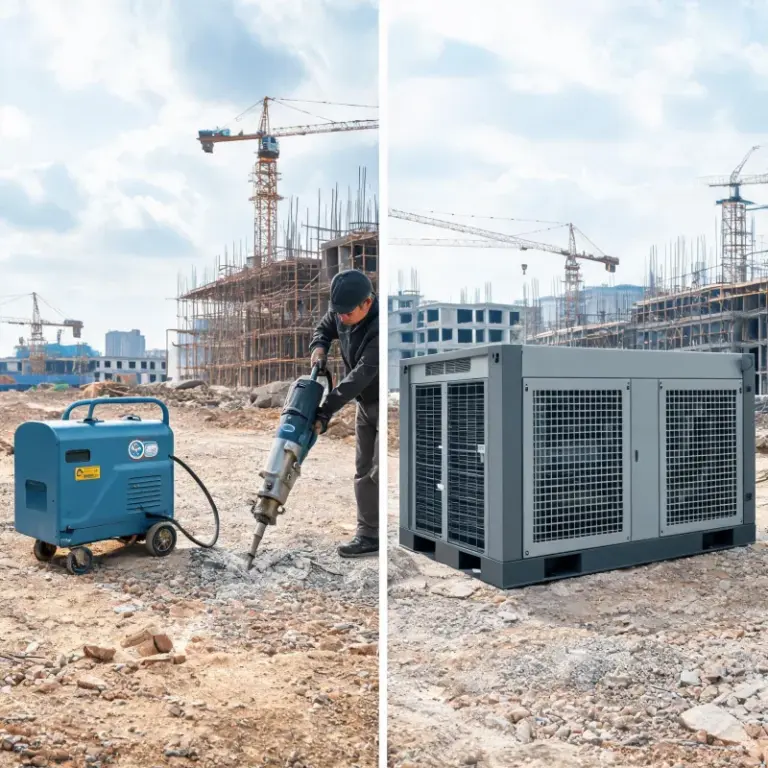
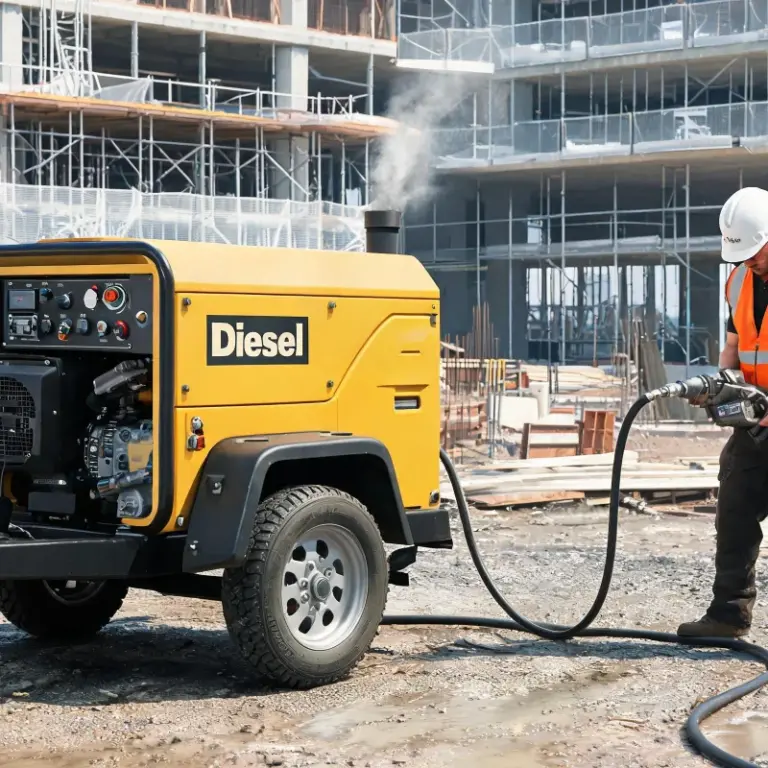
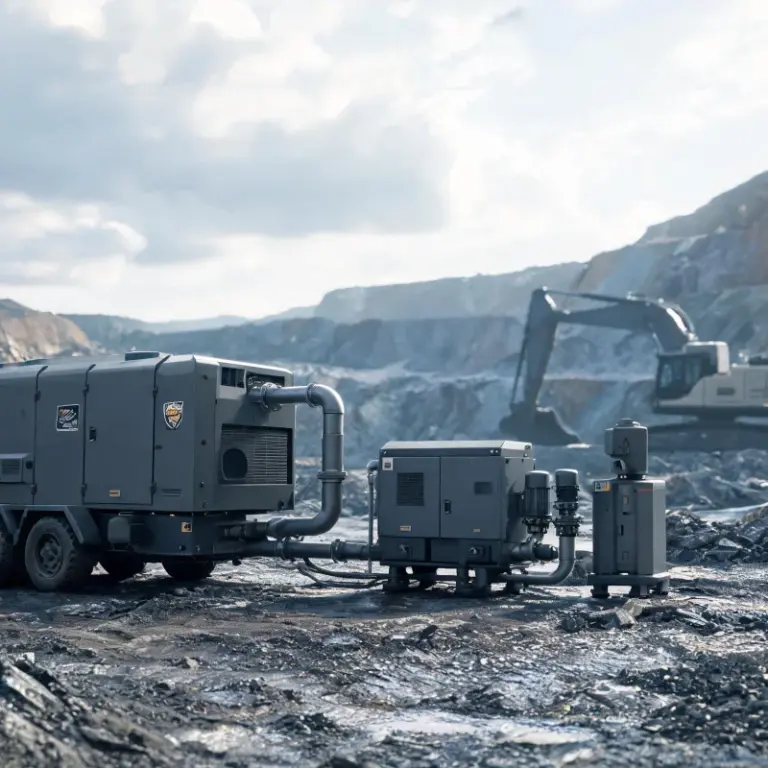
A remote project site running 18 hours a day needs 500 CFM of clean oil-free air for abrasive blasting and process operation. Two years ago, you’d have to either install a permanent fixed unit that becomes obsolete when the project ends, or chain multiple small mobile units together that overheat and break down from constant use. Now, that same site can run one high-flow unit straight through multiple shifts without unplanned downtime.
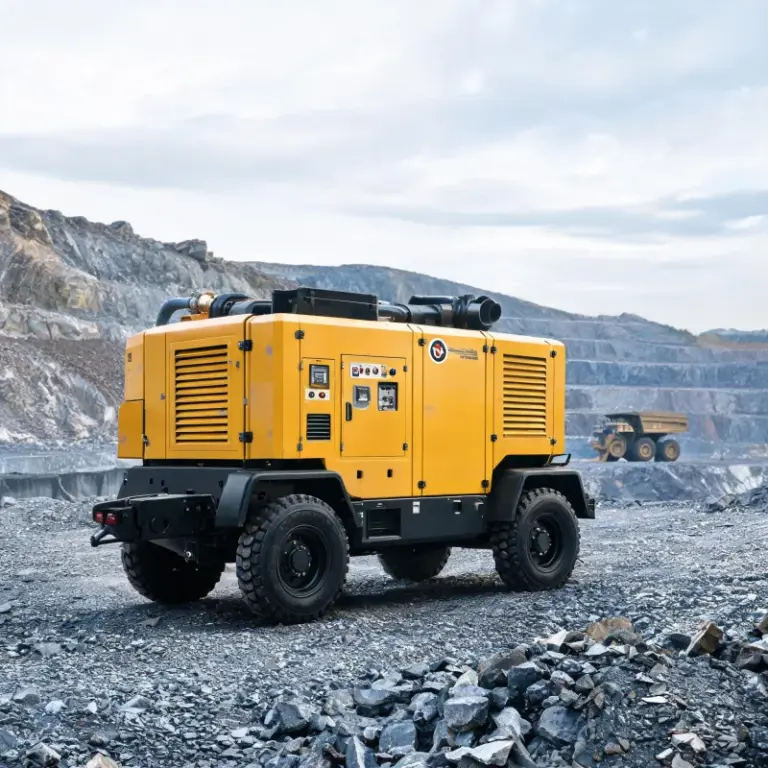
That’s the clear shift we’re tracking: high-flow dry oil-free screw units built for continuous operation, engineered to be moved between sites as needed. For decades, mobile high-capacity air solutions were limited to lubricated designs that couldn’t meet clean air standards, or oil-free designs that only supported intermittent use. That line is gone.
Verified Evidence From Industry and Standards
The Compressed Air and Gas Institute (CAGI) 2023 industry report shows a 47% year-over-year increase in shipments of this specific category of units, outpacing growth of fixed oil-free units by 29 percentage points.
ISO 8573-1:2010, the global standard for compressed air purity required in most regulated industrial processes, has pushed demand for dry oil-free designs over alternatives. Modern mobile units now meet the same Class 0 purity standards as fixed units, which was not possible 5 years ago.
OSHA 2022 updated guidelines for mobile industrial equipment adjusted weight and handling requirements that made it easier to transport and position these higher-capacity units without special lifting permits, removing a key adoption barrier.
When you evaluate a unit, cross-check its purity rating against ISO 8573-1:2010 before moving forward.
What This Shift Means For Procurement Teams
This isn’t just a new product option—it changes how you plan air supply for flexible and project-based operations. If you run multiple rotating project sites or have reconfigurable production lines, you no longer have to overinvest in fixed capacity to cover peak or moving demand.
You can size one high-flow unit to cover multiple sites, moving it as needed, without sacrificing continuous run time. The key non-negotiable specification here is the duty cycle rating, not just peak CFM output. Older mobile designs only allow 50% duty cycle to prevent overheating, which is useless for multi-shift work. New dry screw designs offer 100% continuous duty, which is required for industrial operation.
Ask for the duty cycle rating in writing before you approve a purchase.
Open Uncertainties And Boundaries Of This Trend
This trend doesn’t benefit every operation. This is the most important boundary to remember: if your air demand is fixed at a single location 24/7, a fixed unit still has a lower total cost of ownership over 10 years.
The current generation of high-flow mobile units also has a higher upfront cost per CFM than equivalent fixed units, because of the reinforced frame and mobility hardware. Another open question is long-term wear: most units on the market have less than five years of broad field data, so we don’t have full 10-year reliability data for continuous use in harsh environments like high-dust or high-humidity sites.
That doesn’t mean they fail early. It means you should plan for more frequent preventive check-ups for the first three years of operation.
Action Steps For The Next 12 Months
If you currently chain multiple small mobile units for continuous work, start by testing one high-flow unit on your highest-demand site for a 30-day trial. Most manufacturers offer trial periods for industrial equipment, so you can verify run time and output against your actual on-site conditions.
For teams updating their fleet, allocate 10-15% of your annual compressor budget to pilot this design before scaling. If you have a mix of fixed and flexible demand, keep your existing fixed units for base load, and add one mobile unit to cover peak or moving demand, instead of overexpanding fixed capacity.
Cost Factors
- Upfront cost: 15-30% higher per CFM than equivalent fixed oil-free screw units
- Operating cost: Similar energy efficiency to fixed units of the same capacity
- Lifetime cost: Lower than chaining multiple small units or building permanent infrastructure for temporary sites
Industry Data
- Compressed Air and Gas Institute (CAGI) 2023: 47% YoY growth in shipments of targeted units
- Growth rate outpaces fixed oil-free screw units by 29 percentage points
- 62% of early adopters are project-based industrial operators (CAGI 2023)
Alternatives
- Fixed base load unit + small mobile for peak demand: Good for mixed demand sites
- Multiple chained lower-capacity mobile units: Lower upfront cost, higher ongoing maintenance
- Large permanent fixed unit: Best for 100% fixed long-term demand
Upgrade Path
- Phase 1 (0-6 months): Pilot one unit on your highest-flexibility project site
- Phase 2 (6-12 months): Evaluate total cost vs. existing multi-unit setup
- Phase 3 (12-24 months): Scale to cover additional flexible sites as old fleet retires
Expert Insights
The shift to portable high-flow units matches the broader trend of flexible industrial infrastructure
— Mark Jensen, Senior Industrial Equipment Analyst
Further Reading
- Full Lifecycle Cost Breakdown for Portable Compressors in Mountain Mineral Exploration Drilling
- Diesel Portable Air Compressors: Reliable Backup Compressed Air for Textile Mills
- Diesel Portable Solutions for Off-Grid Water Lubricated Oil-Free Screw Operation
- Diesel Portable Air Compressor Solutions for Mobile On-Site Sandblasting Rust Removal
- Cement Tanker Compressor vs High Pressure Mobile Air Compressor for Blast Hole Drilling
- How to Select the Right Diesel Portable Air Compressor for Industrial Projects
- Best Diesel Portable Air Compressor: 2024 In-Depth Review & Scene-Based Picks
- Diesel Portable Air Compressors for Outdoor Mobile Rust Removal Sandblasting
About the Author

Frequently Asked Questions
Can high-CFM portable units really run 24/7 nonstop?
New dry oil-free screw designs are rated for 100% continuous duty, as long as you match CFM output to your demand and follow maintenance schedules.
How does total cost compare to fixed units for long-term use?
Fixed units have lower upfront cost per CFM and lower long-term operating costs for permanent, fixed-location demand.
Do these units meet clean air standards for regulated process manufacturing?
Most modern models meet ISO 8573-1:2010 Class 0 purity standards, the highest requirement for oil-free clean air in industrial processes.
When should I not invest in one of these units?
If you have consistent fixed air demand at a single permanent location, you will get a better return from a properly sized fixed unit.