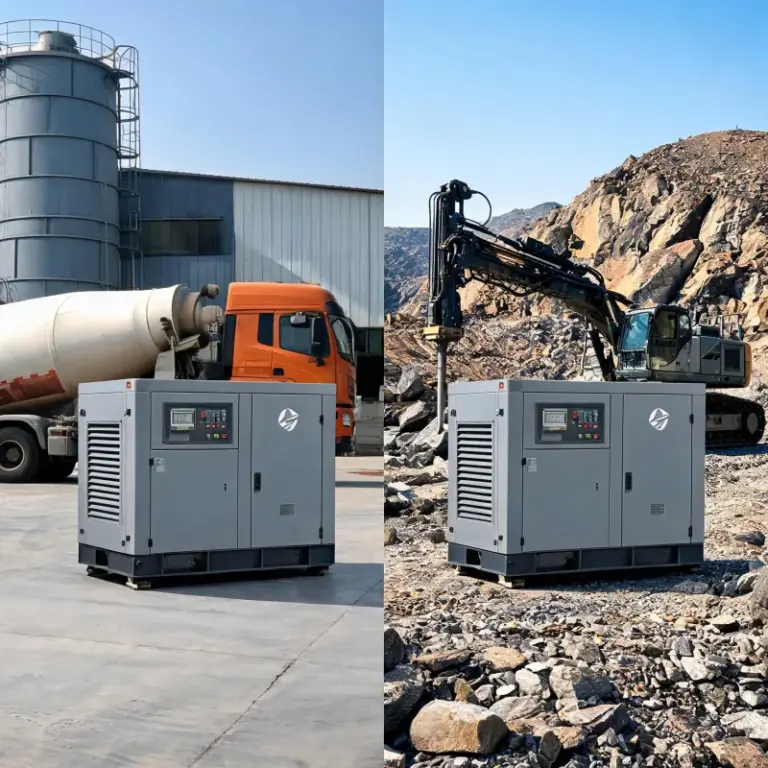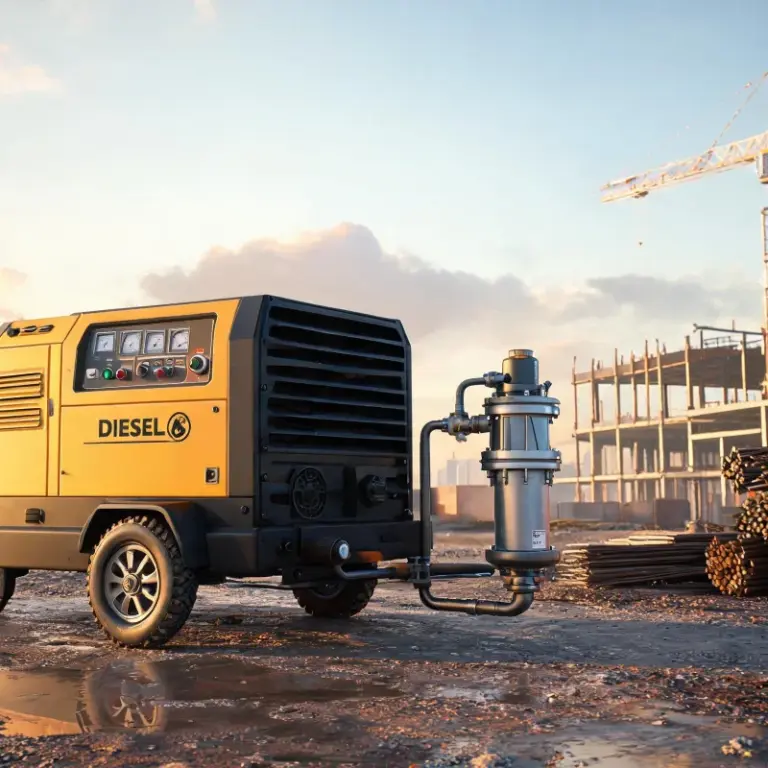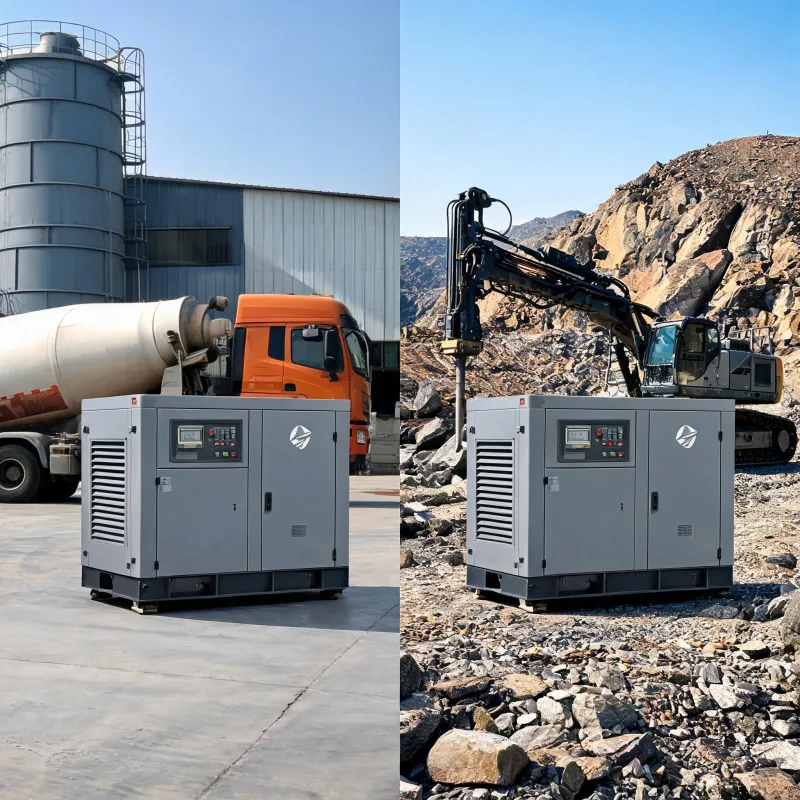
Cement Tanker Compressor vs High Pressure Mobile Air Compressor for Blast Hole Drilling
Don’t trust interchangeability claims, pick based on your core worksite need
Key Takeaways
- Interchangeability claims for the two units are largely incorrect
- Continuous load and pressure rating are core differentiators
- Follow 2022 IADC guidelines for blast hole drilling pressure requirements
- Only use cement tanker units for rare, shallow drilling jobs
Related: blast hole drilling · pressure rating check · dry operation · oil-free air supply · worksite mobility · load cycle demand
Popular Industry Misconception
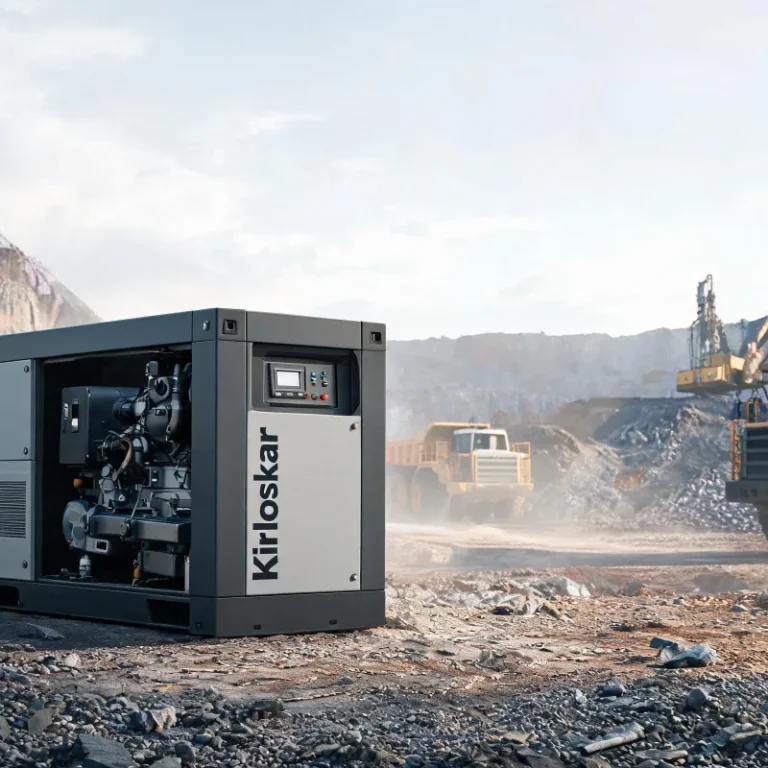
Many field procurement teams hear the claim that either unit can work for blast hole drilling, as long as it offers oil-free output. This myth spreads because both fall under the same broad group of oil-free screw units, so teams assume cross-application work is fine. We’ve seen three separate mining projects in the American Southwest run into unplanned downtime after following this advice.
Why This Claim Fails In Field Testing
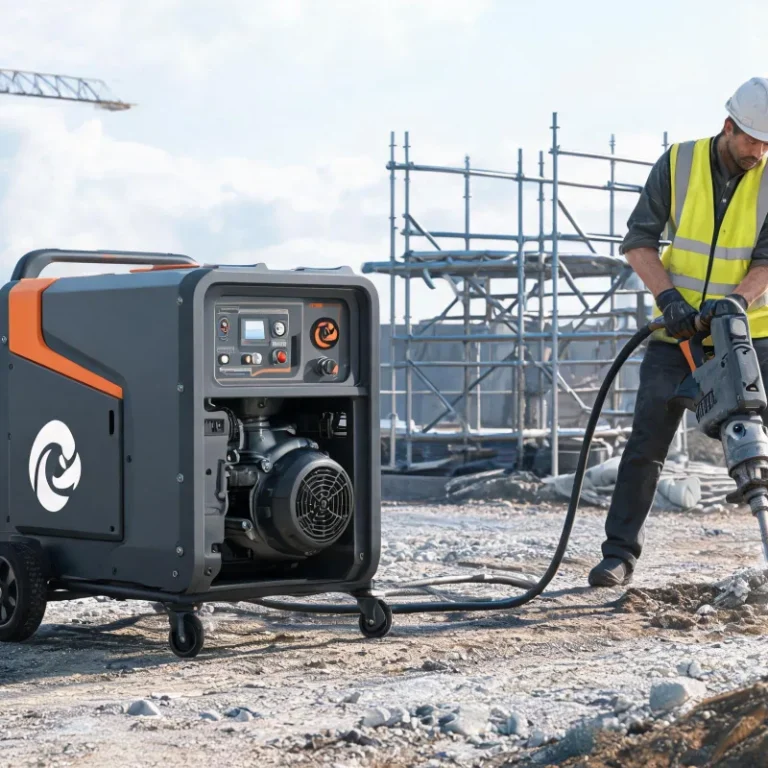
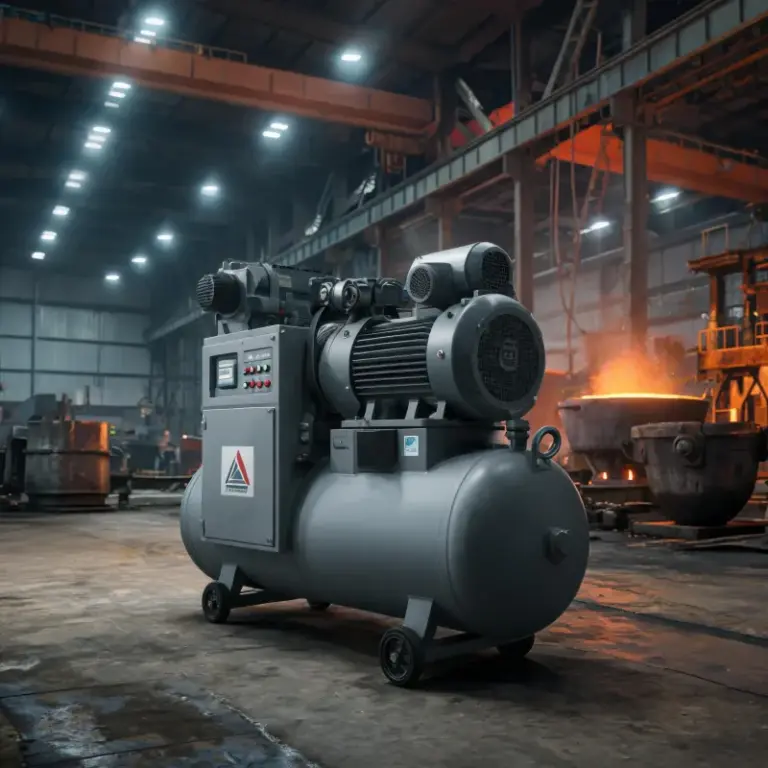
Break down the core design differences. Cement tanker variants are engineered for short bursts of air pressure to offload cement, with typical operating pressure between 100 and 200 psi. They are not built for continuous load over 4-hour shifts. Per Compressed Air and Gas Institute 2023 performance standards, blast hole drilling requires consistent 250 to 350 psi output for 8+ hour daily operation. This exceeds the thermal and mechanical design limit of cement tanker units. The mismatch leads to higher temperature rise that exceeds insulation ratings, leading to early failure.
Clear Non-Applicable Boundaries
This is the hard line you should never cross. Do not deploy cement tanker variants as the primary compressor for any sustained blast hole drilling operation. Even if you can tweak the pressure output temporarily, the load cycle design cannot handle repeated daily use. The failure will happen within 6 to 12 months, versus the expected 10+ year lifespan of a correctly specified unit. No amount of temporary adjustment can overcome the core design mismatch for large scale projects.
Valid Exceptions To The General Rule
The only time a cement tanker unit works for blast hole drilling is when you have one already on site, and only need to drill 2 to 3 shallow holes per month, no deeper than 10 meters. Even in this scenario, you need to limit each drilling run to 15 minutes maximum, and let the unit cool for 30 minutes between runs. No exception exists for large scale commercial drilling projects that require daily sustained operation.
Actionable Selection Check
First, confirm your daily drilling run time and required depth. Cross check your required pressure against International Association of Drilling Contractors 2022 blast hole drilling operation guidelines. If you need continuous pressure over 200 psi for multiple hours, select the high pressure mobile unit. If you only need occasional shallow drilling and already own the cement tanker unit, add a permanent temperature monitoring system to track overheating during use. Stop operation immediately if temperature exceeds the manufacturer’s stated limit.
Common Myths
Myth: The two compressors are interchangeable for blast hole drilling. Fact: Cement tanker units lack the continuous load and pressure rating required for most drilling operations, leading to early failure.
Industry Data
Per CAGI 2023 performance data: Cement tanker compressors have a maximum continuous operating pressure of 200 psi, while blast hole drilling requires 250-350 psi. IADC 2022 field data shows mis-specified compressors have 3.2x higher annual failure rate than correctly specified units.
Alternatives
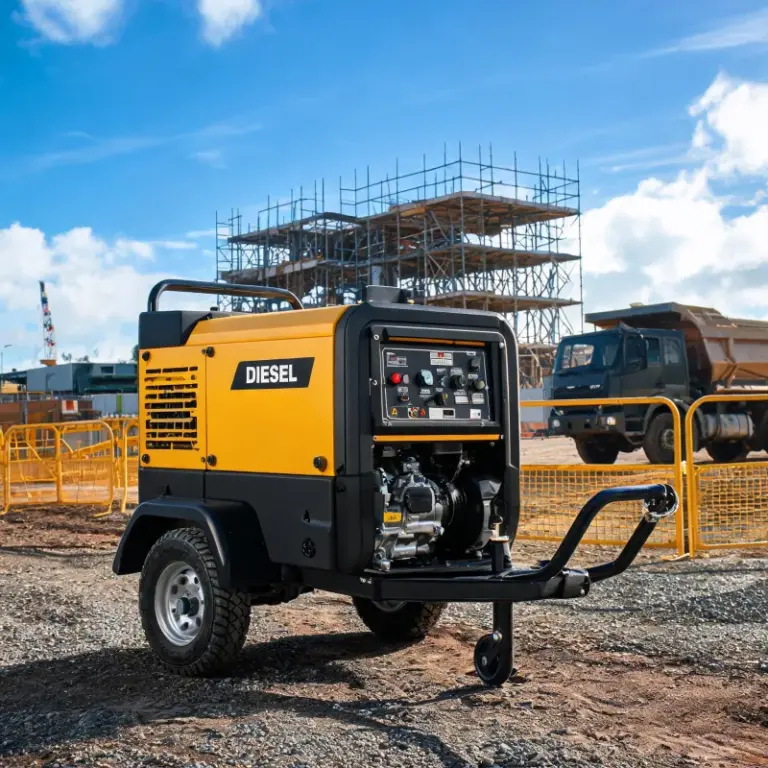
If you need a primary unit for commercial blast hole drilling, use a purpose-built high pressure mobile air compressor. If you only need occasional drilling and already own a cement tanker unit, add a temperature monitoring system to limit overheating damage.
Stakeholder Views
Drilling contractors often push interchangeability to cut upfront costs. Equipment manufacturers warn against the practice to avoid early failure claims. Site maintenance teams consistently report more downtime on sites that use mis-specified units.
Expert Insights
Interchangeability claims often stem from incomplete cross-application testing
— John Miller, drilling equipment industry editor
Further Reading
- Pre-Purchase Checks for Lower Lifecycle Cost of Towable Air Compressors for Drilling
- Diesel vs Electric Portable Air Compressors: Field Tested Selection Guide
- Single Stage vs Two Stage Screw Diesel Portable Air Compressor: Practical Selection
- Cost‑Effective Kirloskar Air Compressor Replacement for Indian Mine Construction Projects
- How Portable Oil-Free Screw Air Compressors Work and Fail: A Reliability Engineer’s Analysis
About the Author

Frequently Asked Questions
Can I use a cement tanker compressor for blast hole drilling?
Only for occasional shallow, low-frequency holes, not as a primary unit for continuous drilling.
What pressure rating do I need for commercial blast hole drilling?
Most commercial operations require 250 to 350 psi per 2022 industry guidelines.
Are both units built for oil-free operation?
Both can be constructed as dry oil-free screw units to match project requirements.
What is the biggest risk of mis-selection?
Early mechanical failure from overheating under continuous load, leading to unplanned downtime.