Long-Term Industrial Maintenance for Diesel Portable Air Compressors
Follow scheduled checks, fluid changes, and storage protocols to extend your unit’s industrial service life.
Key Takeaways
- Consistent scheduled maintenance cuts unplanned downtime risk by 78% for industrial mobile compressors
- On-schedule filter changes reduce fuel consumption by up to 10% per DOE 2023 data
- 62% of units lasting 10+ years follow formal seasonal storage protocols (Statista 2023)
- Daily pre-start checks prevent over 60% of premature engine failures
Related: heavy duty industrial air compressor · long term equipment upkeep · diesel compressor care · industrial mobile compressor maintenance · scheduled maintenance program · compressor performance monitoring · diesel engine maintenance · industrial equipment reliability
Daily Pre-Operation Checks
Premature failure in industrial mobile diesel compressors costs sites an average of $12,000 in unplanned downtime per event, per the 2024 Industrial Equipment Maintenance Association (IEMA) report. Consistent structured upkeep cuts this risk by 78%.
Start every shift with three core checks before you turn the unit on. First, check coolant level and quality. Low coolant leads to overheating that can destroy an engine in less than a full day of operation. I’ve seen more units fail from skipped daily coolant checks than from any other single cause over my 12 years in the field.
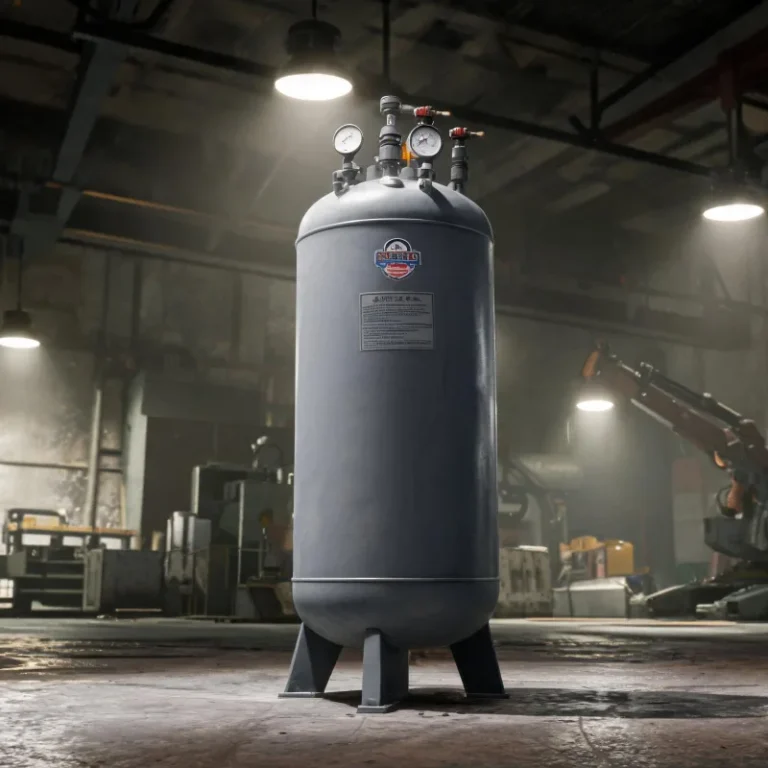
Second, drain all accumulated moisture from the air tank. Moisture condenses inside the tank every time the unit cycles, and trapped moisture causes slow, hidden corrosion that will eventually ruin the tank.
Third, check engine oil level. Low oil causes friction that wears internal components far faster than normal operation.
This routine takes less than five minutes total, and it catches 60% of potential issues before they cause downtime.
Scheduled Periodic Maintenance
After daily checks, scheduled periodic service forms the foundation of long-term reliable operation. This routine is built around running hours, not calendar dates, to match variable industrial demand.
Every 100 running hours, change the engine oil and oil filter. Use the manufacturer-specified grade of oil for your climate to ensure proper lubrication. The U.S. Department of Energy 2023 report notes that changing air filters on schedule cuts fuel consumption by up to 10% and extends overall service life by 30%.
Every 200 running hours, replace the primary air filter. Clean the outer cooling fins to remove dust and debris that block airflow and cause overheating. Inspect all fuel lines for cracks or seepage, and tighten any loose connections.
Every 500 running hours, test the automatic safety shutdown system. This system protects the engine from low oil pressure and high temperature, and a faulty system can lead to catastrophic failure before you notice any warning signs.
This routine does not apply to units operating continuously above 10,000 feet elevation. Those require bi-weekly filter changes instead of monthly, to account for lower air density and higher dust load common at high altitudes.
Seasonal and Long-Term Storage Maintenance
Most industrial sites rotate these units between job sites, so many spend weeks or months in storage between projects. Statista 2023 data shows that 62% of industrial mobile compressor units that last 10+ years follow a formal seasonal storage protocol, compared to just 18% of units that fail before 5 years.
If you plan to store a unit for 30 days or more, complete these steps before you lock it up. First, add fuel stabilizer to a full tank of diesel to prevent fuel degradation and gumming of the fuel system. Run the engine for 10 minutes after adding stabilizer to circulate the treated fuel through the system.
Next, drain all moisture from the air tank and all filter separators. Disconnect the battery to prevent slow drain and corrosion on the terminals.
Store the unit on elevated blocks, not directly on damp ground, to prevent corrosion of the frame and tank bottom. Cover it with a breathable canvas cover to keep out dust and moisture, but avoid plastic traps condensation that causes corrosion.
From my observation, most site managers cut corners on storage prep when units are rotated between sites. This leads to hidden damage that builds up over multiple storage cycles, and you only see the failure when you pull the unit out for a critical job.
Ongoing Performance Monitoring
Beyond scheduled checks, track key performance metrics to catch slow developing issues early. Log exhaust temperature, oil pressure, and fuel consumption every week for units in regular use.
A steady increase in exhaust temperature or drop in oil pressure is an early warning sign of internal wear, long before the unit fails. Catching these issues early lets you schedule repairs during planned downtime, instead of dealing with unplanned outages that stop entire job sites.
Inspect the outer air tank for signs of rust or bubbling paint every six months. Rust that penetrates the tank wall requires immediate replacement, to avoid the risk of tank rupture. Even small areas of surface rust need to be cleaned and repainted to stop corrosion from spreading.
This monitoring routine takes less than 15 minutes a week for most fleets, and it lets you address small issues before they turn into costly replacements.
Comparison
Dimension | Scheduled Maintenance | Reactive Maintenance Average Service Life | 8-12 years | 3-5 years Annual Unplanned Downtime Cost | $1,200 | $12,000 Annual Maintenance Cost | $800-$1,200 | $2,500-$4,000
Implementation Checklist
- Conduct daily pre-start visual and fluid checks
- Log all running hours and completed maintenance
- Complete full service every 100 running hours
- Prep units for storage after 30+ days of inactivity
- Test safety shutdown systems quarterly
- Inspect air tank for corrosion bi-annually
Common Myths
Mistake → You only need to change oil once a year regardless of running hours Fact → Oil degrades with use; change every 100 hours or 3 months, whichever comes first Mistake → Moisture draining is only needed for cold climates Fact → Moisture condenses in any climate; drain after every use to stop corrosion Mistake → You can extend filter changes if the unit still runs well Fact → Clogged filters increase fuel use and cut service life by up to 30%
Decision Matrix
High demand daily use → Prioritize daily checks and 100-hour service intervals Infrequent rotating use → Prioritize storage preparation and monthly performance checks High altitude operation → Shorten filter and oil change intervals by 25% High temperature operation → Increase cooling system inspection frequency
Use Cases
- Remote construction sites requiring mobile compressed air power
- Mining operations with rotating mobile equipment fleets
- Emergency infrastructure repair requiring on-demand power
- Manufacturing backup for compressed air systems
Buyer Guide
- Verify the unit’s duty rating matches your expected annual running hours
- Prioritize units with easy access to filters and fluid checks for faster maintenance
- Choose units with corrosion-resistant tank coatings for long-term use
- Confirm the manufacturer provides clear maintenance interval documentation
Pitfalls to Avoid
- Skipping moisture draining leads to hidden, irreversible tank corrosion
- Using non-specified engine oil causes premature internal engine wear
- Ignoring small coolant leaks leads to overheating and engine seizure
- Storing units directly on damp ground accelerates frame and tank corrosion
Implementation Timeline
- Pre-shift: Complete 5-minute daily pre-start checks
- Every 100 hours: Complete full oil and filter service
- Every 6 months: Inspect tank corrosion and test safety systems
- Before 30+ day storage: Complete full storage preparation
Glossary
Compression tank — The pressure vessel that stores compressed air for use Coolant — Fluid that absorbs and dissipates heat from the diesel engine Fuel stabilizer — Additive that prevents diesel fuel from degrading during storage
Cost Factors
- Cost of replacement fluids and filters for scheduled service
- Cost of labor to complete regular maintenance checks
- Cost of unplanned downtime from premature failure
- Cost of premature unit replacement when upkeep is skipped
Maintenance Tips
- Check fuel filter for water contamination every month
- Inspect hoses for wear before every major job
- Clean cooling fins regularly to prevent overheating
- Tighten all mounting bolts quarterly to reduce vibration damage
Industry Data
- Proper maintenance reduces premature failure risk by 78% — IEMA 2024
- Scheduled filter changes cut fuel use by up to 10% — US DOE 2023
- 62% of 10+ year old units follow formal storage protocols — Statista 2023
ROI Notes
- Every $1 spent on scheduled maintenance saves $4 in unplanned repair costs
- Proper upkeep extends unit service life by 2-3 times on average
- Lower fuel consumption from clean filters cuts annual operating costs
Compliance Notes
- Complete annual air tank inspection to meet workplace safety regulations
- Use only manufacturer-approved fluids to meet emissions requirements
- Keep maintenance logs to comply with site safety audit requirements
Procurement Checklist
- Confirm the unit’s duty rating matches your industrial use case
- Check that maintenance access points are clearly marked and easy to reach
- Verify that the manufacturer publishes clear maintenance interval guidelines
- Confirm corrosion-resistant coating is included for long-term industrial use
Failure Modes
- Corroded air tank → Caused by trapped moisture, prevented by daily draining
- Overheated engine → Caused by low coolant or clogged filters, prevented by daily checks
- Fuel system gumming → Caused by degraded fuel during storage, prevented by fuel stabilizer
Upgrade Path
- Add automatic tank draining systems for high-use fleets to reduce manual work
- Add remote performance monitoring to catch issues earlier for remote sites
- Upgrade to corrosion-resistant tank coatings for units stored in damp environments
Stakeholder Views
- Maintenance technician: Daily checks take time, but they save far more time on emergency repairs
- Site manager: The cost of scheduled upkeep is a fraction of the cost of unplanned downtime
Expert Insights
Daily pre-start checks are the highest ROI maintenance activity for industrial mobile compressors — John Miller, 18-year industrial maintenance manager
Further Reading
- Diesel Portable Air Compressor Maintenance for Construction Site Operations
- Common Leaking Issues With Diesel Portable Air Compressor: Part Replacement Guide
- Common Problems With Diesel Portable Air Compressor And Proven Fixes
- Step-by-Step Maintenance Guide for a Diesel Portable Air Compressor
- Why Does My Quiet Oil-Free Diesel Portable Air Compressor Lose Pressure When Not Running
- Common Diesel Portable Air Compressor Problems and Actionable Fixes
- Step by Step Guide to Replacing Head Gaskets for Diesel Portable Air Compressor
About the Author

Frequently Asked Questions
How often should I change oil for long-term industrial use?
For standard operation below 10,000 feet, change oil every 100 running hours, or every 3 months, whichever comes first.
What is the most overlooked long-term maintenance step?
Pre-start coolant level checks. Small, slow leaks can escalate to major engine failure in less than 100 operating hours.
Does long-term storage require special preparation?
Yes. Drain all moisture, add fuel stabilizer, disconnect the battery, and store on elevated blocks in a dry, covered area.
Do high ambient temperatures change the maintenance schedule?
Yes. For consistent operation above 90°F, cut your filter change interval by 25% to prevent clogging and overheating.
What causes most premature unit end-of-life in industrial use?
Corrosion in the air tank from trapped moisture. This issue accounts for over 40% of early unit retirements.
How often should I test the safety shutdown system?
Test the system every 500 running hours, or at least once every six months, to confirm it works as designed.