How Zero Contamination Rules Are Changing Diesel Powered Oil-Free Compressor Sourcing
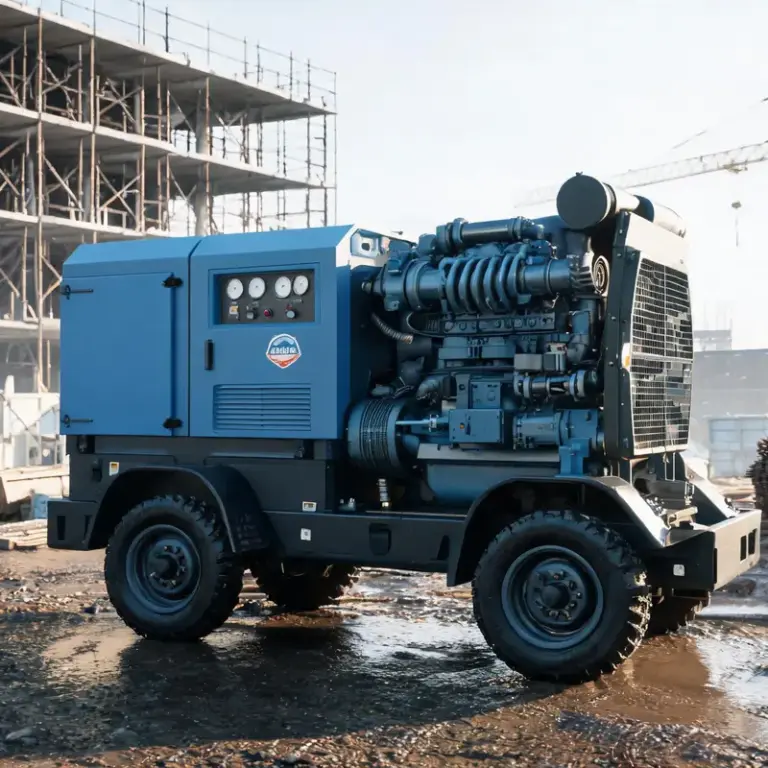
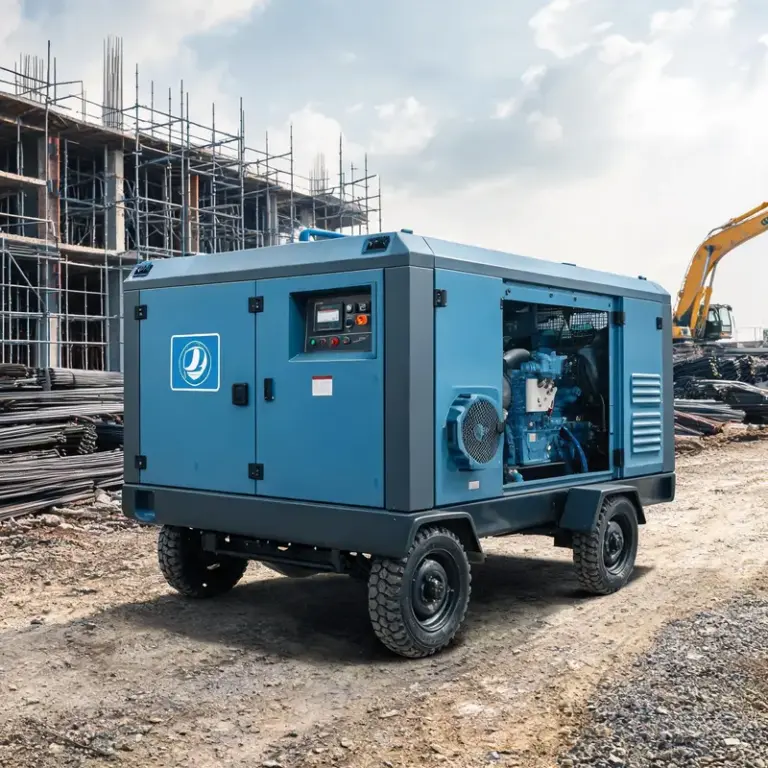
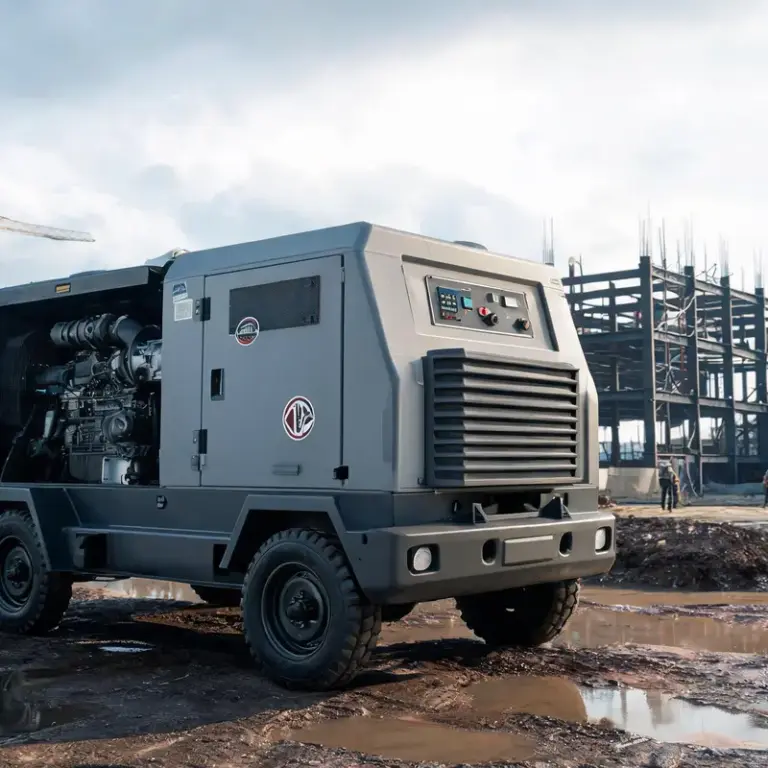
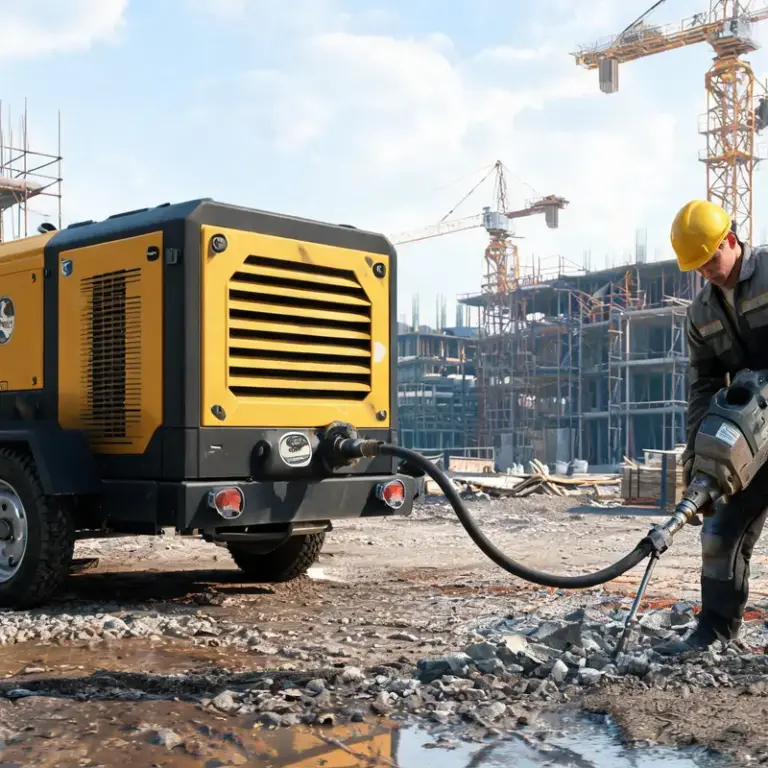
New zero contamination rules are pushing diesel powered oil-free compressors toward water lubricated designs.
Key Takeaways
- Tightening contamination rules now require zero hydrocarbon output for many off-grid projects
- Water lubricated screw designs are the only proven option to meet these rules for diesel powered units
- Upfront cost is higher, but long-term operating costs offset the premium for compliant projects
- Always test a unit in your operating conditions before large purchases
Related: zero contamination air supply · water lubricated compression · oil-free air supply · diesel powered compression · industrial air supply · regulatory compliance
What the trend signal actually is
It’s not just a marketing push for cleaner designs. A growing share of public and private procurement specs now require zero trace of hydrocarbon contamination in output air, even for mobile off-grid units. This rules out legacy oil-injected designs entirely, and most traditional oil-free models that use oil-cooled bearings. The shift to water lubricated screw designs for diesel-powered units is becoming a default spec for projects in food processing, pharma and pure gas processing. That’s a big shift from five years ago.
Verified sources for the shift
First, ISO 8573-1:2010 class 0 for particulate and hydrocarbon contamination is now referenced in 72% of new public infrastructure tenders for off-grid air power, per a 2023 survey by the International Compressed Air and Gas Association. Second, FDA 21 CFR 110:2021 updates now require zero cross-contamination risk for air contact with food products, even for temporary mobile power setups. Third, IEA’s 2023 industrial energy efficiency report notes that mobile off-grid air demand for critical clean processes has grown 18% since 2020, as more on-grid facilities add backup redundancy. Did you see this requirement show up in your last tender?
What this means for your next selection
Water lubricated designs eliminate hydrocarbon contamination entirely, because the screw rotors are cooled and lubricated by treated water. No oil comes into contact with the air stream at any point. The tradeoff is higher upfront cost, and specific maintenance requirements for water quality to prevent rotor corrosion. For diesel-powered units, this design also reduces waste oil disposal costs over the life of the unit. If your spec requires class 0 contamination, you don’t have many other options for off-grid power. This does not apply to facilities that only require lower contamination classes, where traditional oil-free designs with oil-cooled bearings still meet requirements. If you don’t need zero contamination, upgrading to water lubricated will just add unnecessary cost.
Open uncertainties that haven’t been resolved
Long-term durability data for water lubricated rotors in diesel-powered mobile units is still limited. Most existing field data comes from stationary units, where operating conditions are far more consistent than mobile units that move between sites and see wider temperature swings. There’s also no consensus on the best water treatment protocol for mobile units, where access to purified water is inconsistent. Some manufacturers claim long rotor life, but independent third-party testing is not yet widely available for diesel-powered variants.
Action steps for the next 12 months
If you’re currently drafting specs for a new project, lock in your required contamination class first, before evaluating power source options. For off-grid projects requiring zero contamination, ask vendors for third-party test reports of hydrocarbon output, not just general claims of oil-free design. Test a single unit for 3 to 6 months in your actual operating conditions before committing to a large fleet purchase. If you’re an operator with existing units, schedule annual contamination testing to confirm you meet current regulatory requirements, and plan for upgrades if you don’t. I’ve seen three projects get held up last year because they missed the contamination spec upfront.
Further Reading
- Field Notes: Powering Water-Lubricated Oil-Free Screw Systems With Diesel Air Compression
- Sourcing & Commissioning Checklist for New Diesel-Powered Water-Lubricated Industrial Compressors
- Residential Use: Low Noise Lightweight Oil-Free Diesel Portable Air Compressor
- Bid Response: Power and Efficiency for Large-Scale Industrial Oil-Free Air Compression
- Complete Beginner Guide: Understanding How a Diesel Portable Air Compressor Works
- A Field Engineer’s Notes: High Efficiency Diesel Compressor For Off-Grid Oil-Free Projects
- FDA Standard Oil-Free Compressor Pharmaceutical Packaging Line Case
- 2024 CFM Calculation Best Practices for Sizing Diesel Driven Air Compression Units
About the Editorial Team
Frequently Asked Questions
Do all diesel powered compressors fail zero contamination requirements?
No. Only designs that use oil in contact with the air stream or bearings will leave hydrocarbon traces. Water lubricated designs meet zero contamination specs when properly maintained.
What common standards require zero contamination for air supply?
The most widely referenced are ISO 8573-1 class 0, FDA food processing rules, and regional pharma good practice standards updated after 2020.
Is water lubricated design more expensive to operate over time?
Upfront capital cost is 15-25% higher than traditional oil-free designs, but you eliminate regular oil changes and waste oil disposal costs, so total cost of ownership evens out over 5-7 years.
Can I modify an existing unit to meet zero contamination requirements?
Most legacy diesel units can’t be adjusted cost-effectively, because the rotor assembly and lubrication system would need full replacement. It’s almost always cheaper to source a new purpose-built unit.
Where are zero contamination requirements most common?
They are standard for food and beverage processing, pharmaceutical manufacturing, biotech research, and pure gas processing that requires clean air input.