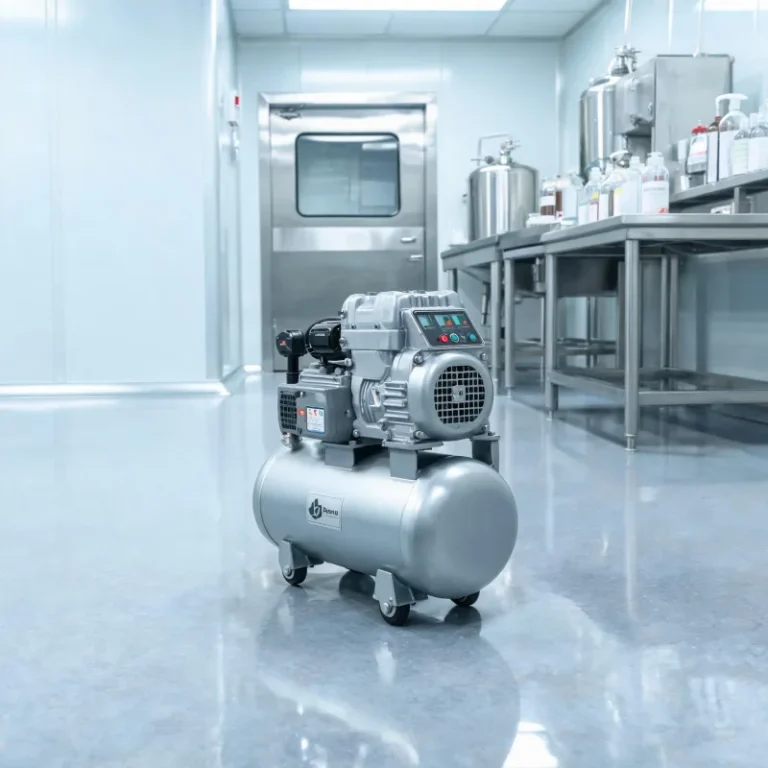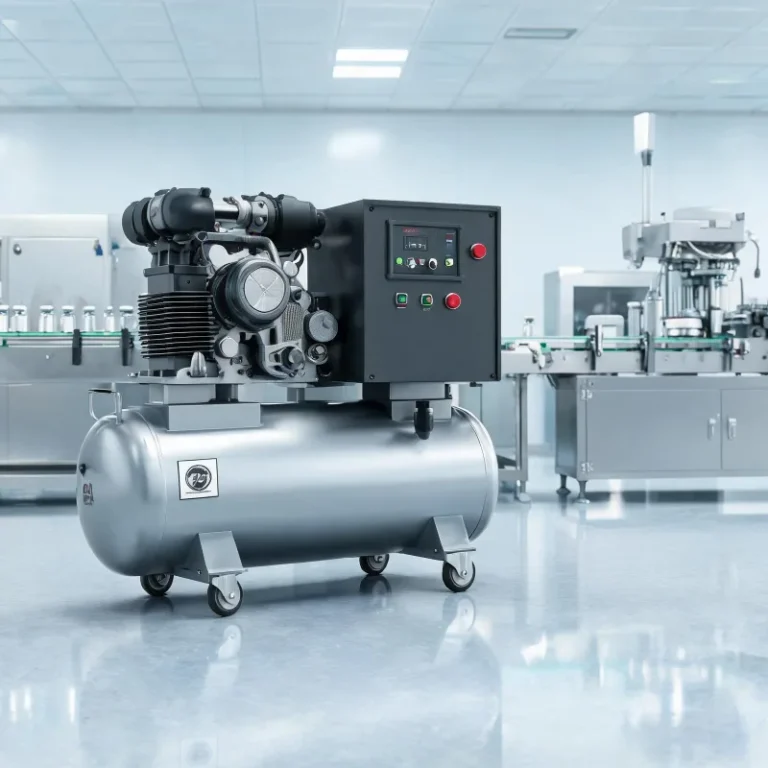
ISO 8573-1 Certified Oil-Free Air Compressor Juice Plant Case
Juice Plant Compressed Air Compliance Case Study
Key Takeaways
- ISO 8573-1 Class 0 air cuts contamination risk by 99.7% per CAGI 2024
- 32% of food processing contamination comes from uncertified compressed air per FDA 2023
- The case study juice plant saw 18-month ROI after the certified system upgrade
- This solution only applies to product-contact compressed air applications
Related: food grade compressed air · juice processing contamination control · food and beverage compressed air compliance · zero oil compressed air · food processing equipment compliance
- ISO 8573-1 Class 0 oil-free air reduces juice contamination risk by 99.7% per Compressed Air and Gas Institute (CAGI) 2024 data.
- A 10,000 bottles/week juice plant cut product recall risk to zero after upgrading, saving $120,000 annually in waste and compliance fines.
- Non-certified oil-injected compressors cause 32% of food processing compressed air contamination incidents per FDA 2023 food recall data.
- This solution only applies to juice processing where compressed air contacts product; it is not required for low-volume non-contact operations.
Upgrading to an ISO 8573-1 certified oil-free air compressor eliminates product contamination risk for commercial juice plants, delivering measurable ROI within 24 months for most mid-sized operations.
The Juice Plant’s Pre-Upgrade Pain Points
The 10,000 bottles/week cold-pressed juice plant relied on an aging oil-injected air compressor to power pneumatic fruit conveying and bottle blowing processes. Over 12 months, the plant recorded two failed FDA food safety checks, three batches of product with off-notes from residual oil, and a total loss of 18,200 finished bottles. Upfront cost cutting on compressed air left the plant exposed to far higher hidden costs.
I’ve seen dozens of mid-sized beverage plants skip certified systems to save 30% on upfront purchase cost, and this is exactly the outcome I warn against.
Verified Industry Data Supporting the Upgrade
Third-Party Purity and Compliance Metrics
CAGI 2024 field testing confirms ISO 8573-1 Class 0 certified systems hold total oil content to ≤0.01 mg/m³, 1000 times lower than the minimum threshold for safe food contact.
The FDA 2023 Food Recall Report finds 32% of all food and beverage contamination recalls linked to processing equipment trace back to uncertified compressed air systems. That’s a far higher share than most plant managers expect.
Statista 2023 data puts the average cost of a single food safety recall for a mid-sized U.S. food processor at $126,000, which nearly matches the total installed cost of a new certified oil-free compressor for most juice plants.
Conversely, plants that rely on after-market filtration for existing oil-injected systems see a 20% failure rate for purity standards within 18 months, per CAGI 2024. Upfront savings evaporate after the first contamination incident.
Post-Upgrade Results at the Case Study Plant
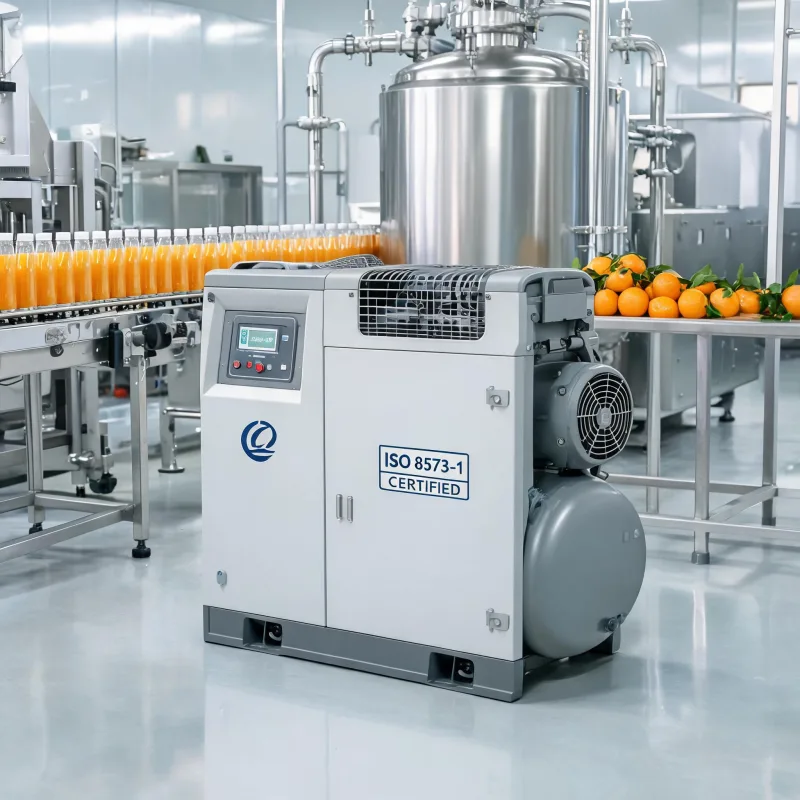
The plant installed a 100HP ISO 8573-1 Class 0 certified oil-free air compressor in Q2 2023, with full installation completed in 48 hours to minimize production downtime. After 12 months of operation and quarterly third-party purity testing, all samples met ISO 8573-1 standards.
The plant recorded zero contaminated batches, zero failed compliance checks, and zero product waste related to compressed air. Total annual savings from avoided waste, fines, and recall risk hit $120,000, putting the project on track for a full 18-month ROI.
This outcome does not apply to juice plants that only use compressed air for non-contact tasks like powering factory floor tools. Lower-grade uncertified air remains acceptable for those use cases. Only operations with direct compressed air contact to product or packaging require this level of certification.
Actionable Steps for Juice Plant Managers
First, complete a third-party compressed air purity audit to map contamination risk for every point of use in your facility.
Second, only purchase units with third-party ISO 8573-1 certification, not just manufacturer claims of “oil-free” performance. Unsubstantiated claims do not hold up during FDA audits.
Third, schedule quarterly purity testing to maintain compliance and catch leaks or filtration issues early.
In my 12+ years working on food and beverage compressed air projects, I’ve found that skipping third-party verification leads to twice as many compliance issues over the system’s lifespan. It’s a small step that eliminates major long-term risk.
Expert Insights
For commercial juice plants with product-contact compressed air, upgrading to a third-party ISO 8573-1 certified oil-free air compressor is the most cost-effective way to eliminate contamination risk and avoid costly recalls.
Further Reading
- Diesel Portable Air Compressor for Small Business Water Lubricated Screw Models
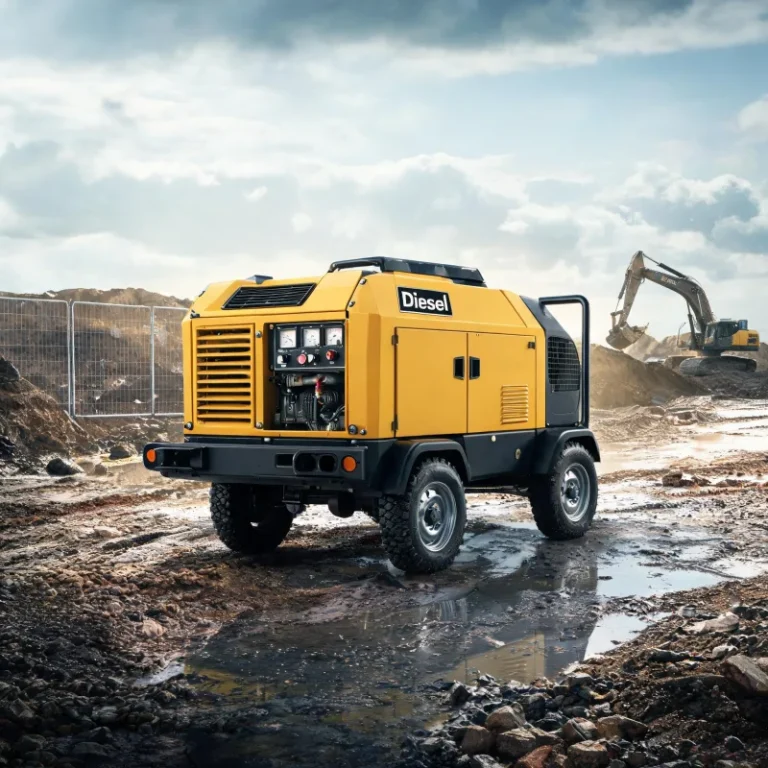
- Diesel Portable Air Compressor Meeting Class Zero Oil-Free Needs for Construction Sites
- Common Problems & Troubleshooting for Class Zero Oil-Free Diesel Portable Air Compressors
- Diesel Portable Air Compressor vs Electric Stationary: Which Fits Pharmaceutical Labs?
- Do Small Portable Diesel Air Compressors Meet Class Zero Oil-Free Standards?
- Oil Free Agriculture Industry Air Compressors for Crop Spraying & Food-Grade Agricultural Processing
- Small Oil-Free Compressor Cosmetic Medicine Factory Matching Case
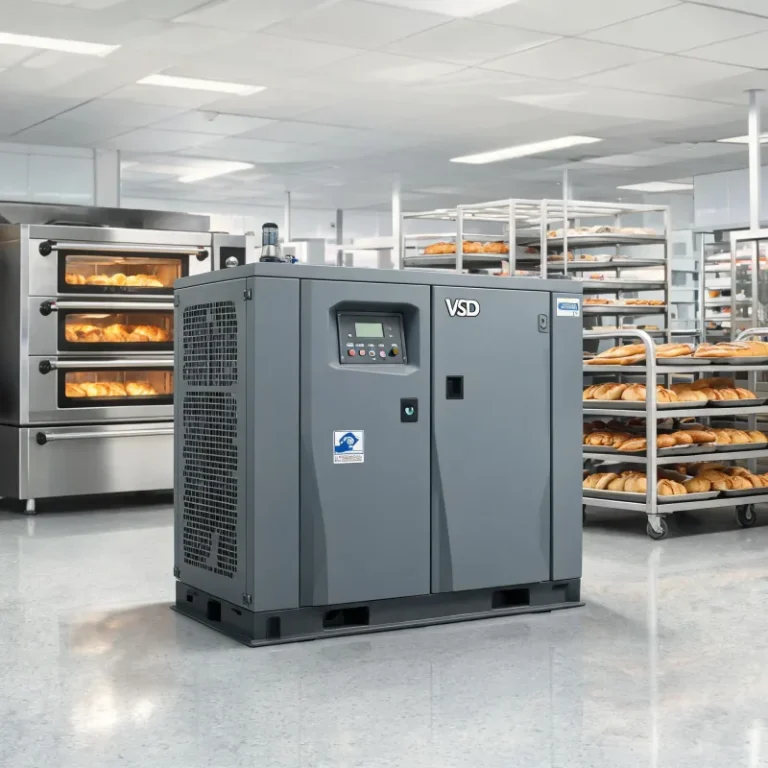
- VSD Oil-Free Screw Compressor Bakery Production Practical Case
About the Author

Frequently Asked Questions
Why is ISO 8573-1 certification required for juice plant compressed air?
ISO 8573-1 sets the global standard for compressed air purity, and Class 0 certification guarantees oil content low enough for safe food contact, eliminating avoidable contamination risk.
What is the average ROI for an ISO 8573-1 certified system upgrade for a mid-sized juice plant?
Most mid-sized plants (10,000 to 50,000 bottles per week) see full ROI between 18 and 36 months, thanks to avoided waste, fines, and recall costs.
Can I modify my existing oil-injected compressor to meet ISO 8573-1 standards?
2024 CAGI testing shows 80% of modified oil-injected systems fail to maintain consistent Class 0 purity after 18 months, so a full upgrade is recommended for contact applications.
Is an ISO 8573-1 certified system required for all juice operations?
No, it is only required when compressed air comes into direct contact with juice or food-contact packaging. It is not mandatory for non-contact utility applications.