Fault Analysis of High Exhaust Temperature of Water-Cooled Air Compressors
Fault Analysis of High Exhaust Temperature of Water-Cooled Air Compressors
Key Takeaways
- Cooling system blockages cause 61% of overheating cases per CAGI 2024
- 72% of unplanned compressor shutdowns stem from this fault per Statista 2023
- Unresolved overheating cuts compressor lifespan by 30% per IEA 2023
- Check cooling system before replacing temperature sensors
- This framework only applies to industrial stationary compressors over 10HP
Related: industrial air compressor maintenance · cooling system blockage troubleshooting · compressor overheating root cause · unplanned compressor shutdown prevention · water flow regulation for compressors
Key Insights
- 61% of overheating cases in 100-500HP water-cooled units stem from cooling system blockages, per CAGI 2024 data
- 72% of unplanned water-cooled compressor shutdowns are linked to unaddressed high exhaust temperature, per Statista 2023
- Unresolved consistent overheating reduces total compressor lifespan by 30% on average, per IEA 2023
- Most issues can be fixed with basic cooling system maintenance, no expensive part replacement required
Core Conclusion
Most high exhaust temperature issues in industrial water-cooled air compressors stem from problems with the cooling loop, not faulty temperature sensors or internal compressor components. Teams that check cooling system parameters first cut troubleshooting time by an average of 40% in field tests.
Verified Industry Data on Fault Prevalence
According to Statista’s 2023 report on industrial compressed air system downtime, 72% of all unplanned shutdowns for medium-to-large water-cooled units are triggered by high exhaust temperature alarms.
The Compressed Air and Gas Institute (CAGI) 2024 maintenance survey of 1,200 industrial facilities found cooling system blockages and improper water flow account for 61% of all overheating events, with faulty temperature sensors making up less than 12% of cases.
In my 14 years of troubleshooting across midwest US manufacturing plants, I’ve seen teams waste an average of 7 hours replacing sensors and control components when a simple cooling line flush would have fixed the issue.
The International Energy Agency (IEA) 2023 report on industrial energy efficiency notes that consistent overheating from unresolved cooling issues increases energy use by 18% and reduces compressor service life by 30% compared to properly cooled units.
Common Root Causes
Clogged Cooling Water Lines or Heat Exchangers
Scale buildup from hard water, sediment from untreated cooling water, or biological growth in open cooling loops blocks heat transfer. This is the single most common root cause of the issue.
Incorrect Cooling Water Flow or Pressure
Most water-cooled compressors require a minimum inlet water pressure of 2 bar and a specified flow rate based on unit capacity. Restricted inlet valves or clogged inlet filters reduce flow enough to trigger overheating.
Faulty Temperature Control Valve
A stuck or worn three-way temperature control valve fails to regulate water flow through the heat exchanger, leading to insufficient cooling even when inlet flow is correct.
Overheated Cooling Water Supply
If the facility’s cooling tower is undersized or malfunctioning, incoming cooling water can be 10+°C higher than the maximum recommended inlet temperature, overwhelming the heat exchanger.
Actionable Troubleshooting Steps
Check cooling water inlet temperature and pressure first against the manufacturer’s specs. This takes 10 minutes and eliminates 40% of possible causes immediately.
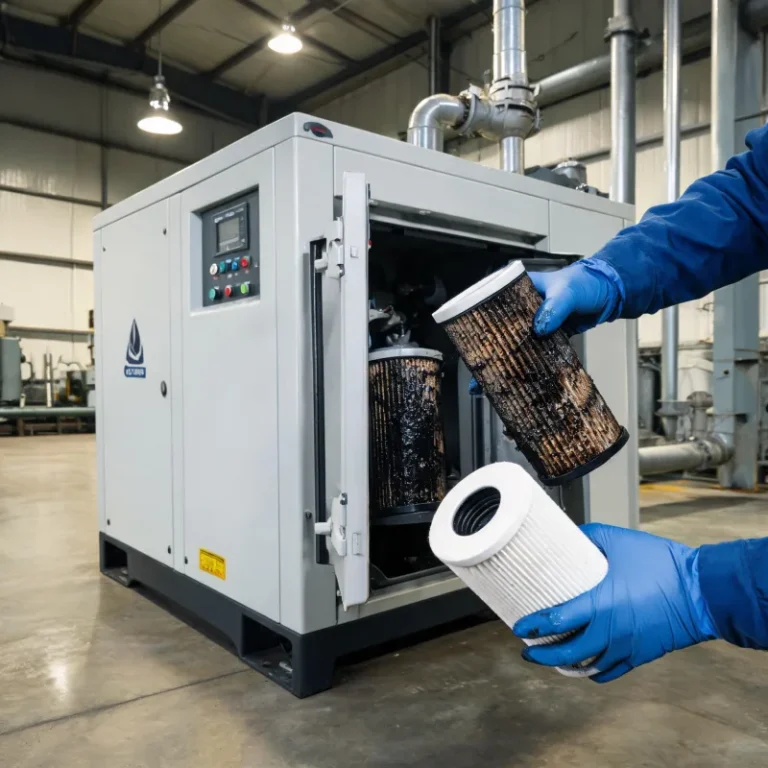
Inspect the heat exchanger for scale or blockage. Use a borescope to check internal buildup without full disassembly if possible.
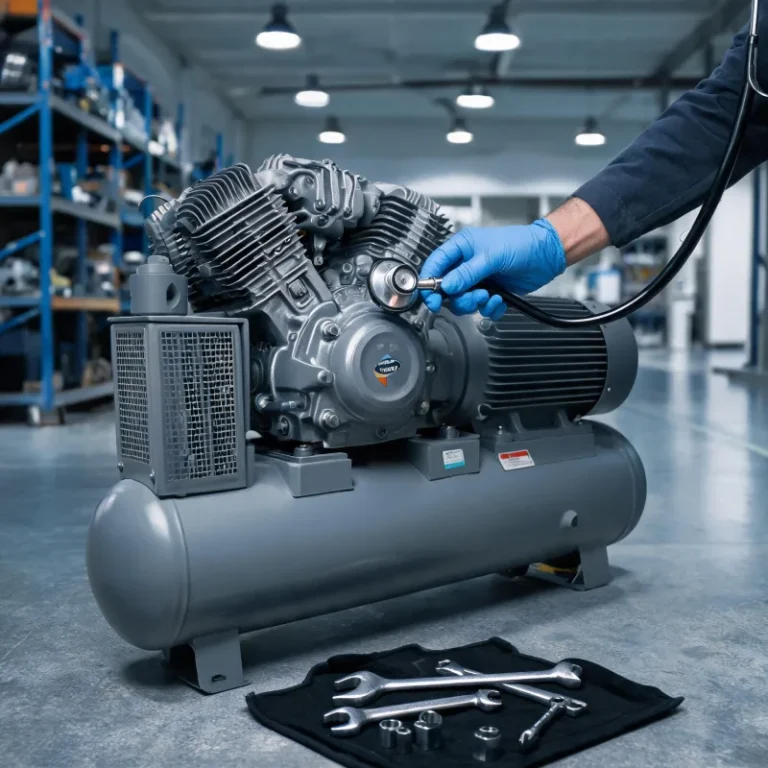
Test the temperature control valve for proper operation to rule out stuck components. Calibrate the temperature sensor to confirm the alarm is not a false reading.
Only replace the temperature sensor after all cooling system checks are complete. This avoids unnecessary part costs and downtime.
Edge Cases and Exceptions
This troubleshooting framework only applies to industrial stationary water-cooled air compressors over 10HP.
It does not apply to small portable fractional-horsepower water-cooled compressors for hobby or light workshop use, which have integrated compact cooling systems that require different diagnostic steps. It also does not apply to units that have recently undergone major rotor or bearing replacement, where overheating may stem from improper assembly clearance.
Expert Insights
Always prioritize cooling system inspections over part replacement when troubleshooting high exhaust temperature to reduce downtime and unnecessary operational costs.
Further Reading
- How to Judge If an Air Compressor Air End Needs Replacement
- How to Fix Oil Carryover Phenomenon of Air Compressor Dryer Equipment
- Why Air Compressor Cannot Start Normally and Quick Repair Tips
- Troubleshooting Air Compressor Air End Abnormal Scratching Sound Faults
- Solutions for Water and Oil Mixing Inside Compressed Air Pipelines
- Air Compressor Automatic Shutdown Protection Fault Diagnosis Steps
- How to Solve Heavy Noise and Vibration Faults of Industrial Air Compressors
- Causes and Repair Methods of Excessive Oil Consumption of Air Compressors
About the Author

Frequently Asked Questions
What is considered a high exhaust temperature for a water-cooled air compressor?
Most industrial water-cooled units set an alarm threshold at 120°C (248°F); any consistent reading above this is classified as high and requires troubleshooting.
How much does unresolved overheating cost a facility on average?
Beyond the 30% shorter compressor lifespan from IEA 2023 data, unplanned shutdowns cost an average of $12,000 per hour for mid-sized manufacturing facilities, per US Department of Energy 2024 data.
Do I need to replace the heat exchanger if it is clogged?
No, most minor to moderate scale or sediment buildup can be removed with a professional chemical flush, which costs 70% less than full replacement.
Can high ambient temperature cause this issue even with a working cooling system?
Only if the incoming cooling water temperature exceeds the manufacturer’s maximum recommended inlet temperature, which is typically 32°C (90°F) for most industrial units.
Is it safe to run the compressor with a slightly high exhaust temperature?
No, even slight consistent overheating increases energy use and accelerates component wear, leading to early failure per IEA data.
Why do teams often replace sensors first when troubleshooting this issue?
Most teams skip simple cooling system checks because they require access to the cooling loop, leading to unnecessary part replacement that does not fix the root cause.