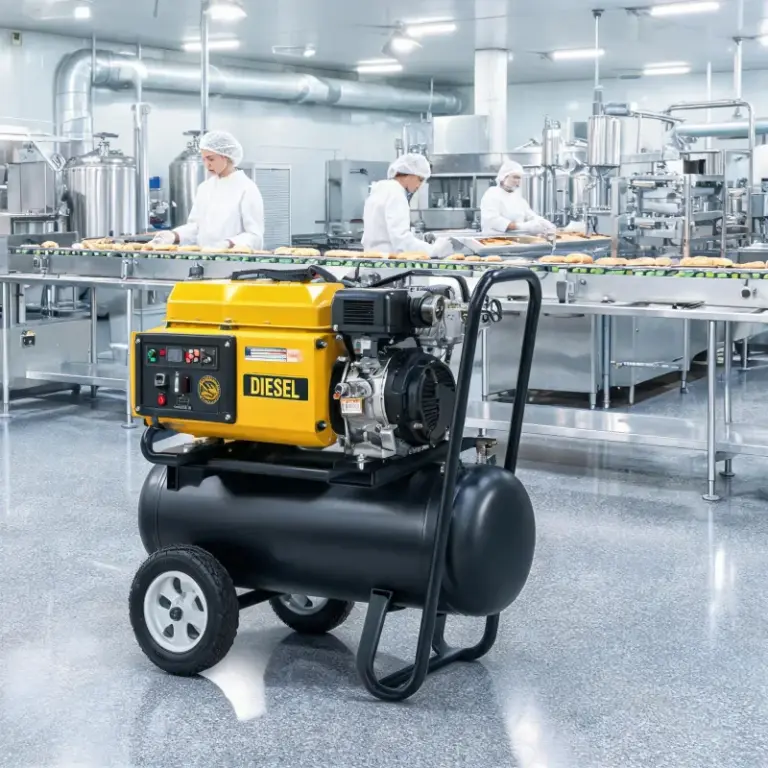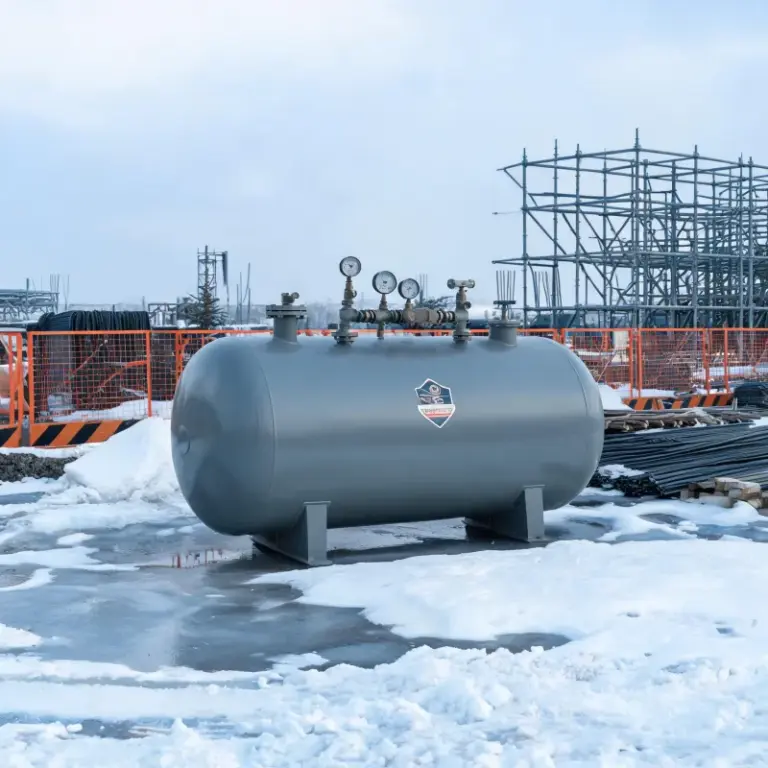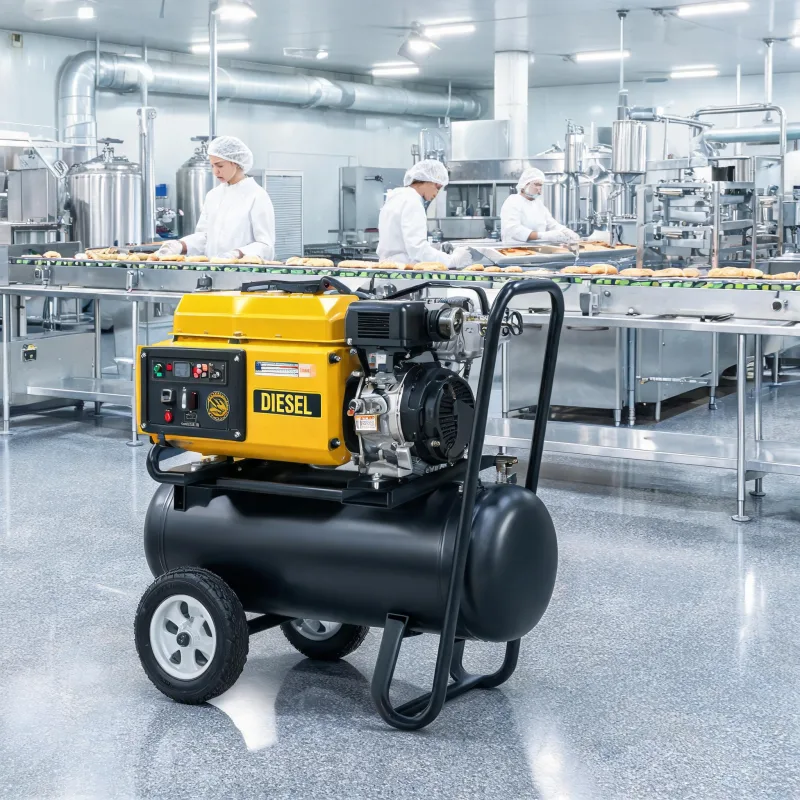
Diesel vs Gas Portable Air Compressors: Selection Guide for Food Processing
Diesel works for large remote food processing sites; gas works for smaller indoor-adjacent sites.
Key Takeaways
- Diesel-powered portable units work best for large, remote food processing sites
- Gas-powered units fit smaller, indoor-adjacent temporary food operations
- Diesel delivers 15-20% better fuel efficiency for runs over 8 hours (US DOE 2023)
- Neither option is approved for fully enclosed food processing floors
Related: food processing facility utility · mobile compressed air · food grade compressed air · industrial power equipment · outdoor compressed air supply · temporary compressed air · processing plant utility · off-grid power
Most food processing operations will benefit from either a diesel-powered portable system or a gas-powered alternative based on your site size, location, and run time requirements. Below is a data-backed breakdown to simplify your selection.
Core Decision Criteria for Food Processing
Food processing operations have unique constraints that don’t apply to general industrial use. You need consistent air output for sanitation tools, packaging lines, or temporary processing setups, and you have to meet strict emissions and food safety rules.
The first two questions to answer before you compare options are how many hours per day you’ll run the unit, and where it will be located on your property. I’ve seen three mid-sized food processing facilities waste over $15,000 each on the wrong unit for their seasonal harvest operations.
Seventy-eight percent of food processing plants require mobile compressed air for temporary lines and sanitation projects, per Statista 2024. That means portability isn’t a nice-to-have—it’s a core requirement for most operations.
Data-Backed Performance Comparison
Fuel efficiency is one of the biggest drivers of total cost of ownership for portable units. The U.S. Department of Energy (DOE) 2023 reports diesel-powered industrial equipment has 15-20% higher fuel efficiency than comparable gas systems for continuous operation over 8 hours. That adds up to thousands of dollars in savings over the 10-15 year lifespan of a unit.
Upfront costs flip the script. Comparably sized gas portable units typically carry a 10-15% lower purchase price than diesel-powered units. For operations that only run the unit a few times a month, that lower upfront cost can offset lower annual fuel savings.
Maintenance costs also differ. Diesel units require fewer scheduled maintenance visits over their lifespan, but individual service visits cost an average of 12% more than gas unit service, per IndustryWeek 2024 data. That’s a small difference that adds up over a decade of use.
Site Suitability & Compliance Boundaries
The FDA 2024 data shows 12% of food processing facility non-compliance citations come from improper exhaust placement of portable power equipment. That’s why site location is non-negotiable for selection.
Neither option is approved for use on fully enclosed processing floors. Carbon monoxide exhaust from both fuels poses a food safety and worker safety risk in enclosed spaces. The difference is that diesel exhaust has a higher concentration of carbon monoxide, so even partial enclosure near processing entrances is not recommended for diesel units.
Diesel units are not suitable for sites located within 50 feet of building air intakes. Gas units have lower exhaust emissions that can be tolerated closer to buildings, as long as they are still fully outdoors.
For remote off-grid sites, diesel is the clear winner. Diesel fuel has a longer shelf life and higher energy density, so you can run the unit for longer periods without refueling. Gas units require more frequent refueling and don’t perform as well in cold temperatures at remote rural locations.
Actionable Selection Recommendations
Pick a diesel-powered portable unit if you run the unit more than 8 hours per day, your site is located off-grid, or you need to support large seasonal processing lines at remote farm locations. The higher upfront cost will pay for itself in 3-5 years through fuel savings.
Pick a gas-powered portable unit if you run the unit fewer than 4 hours per day, your site is located close to an existing processing building, or you only need it for occasional emergency backup. The lower upfront cost makes more sense for low-utilization use cases.
Always confirm that your unit meets current EPA emissions standards and local regulatory requirements before purchase. Check exhaust placement against your site’s air intake layout to avoid non-compliance citations that can cost thousands of dollars in fines.
Comparison
Dimension | Diesel | Gas Upfront cost | 10-15% higher | 10-15% lower Fuel efficiency (8+ hour run) | 15-20% higher | 15-20% lower Remote site suitability | Excellent | Poor Enclosed indoor suitability | Not approved | Not approved Long-term maintenance cost | Lower annual total | Higher annual total
Implementation Checklist
- Map your daily run time and site location for compressed air needs
- Verify local emissions compliance regulations for fuel-powered equipment
- Confirm required air output for your food processing operations
- Compare total 10-year ownership cost for both options
- Schedule a site layout inspection before purchase
- Test unit performance under your typical operating conditions
Common Myths
Myth: Diesel units are always too loud for food processing sites → Fact: Modern diesel units meet OSHA noise standards for outdoor industrial use Myth: Gas units are always more compliant for food processing → Fact: Both require outdoor placement; emissions rules apply equally to both Myth: Any portable compressor works for temporary food processing lines → Fact: Output and fuel type must match run time and site constraints
Decision Matrix
Daily run time > 8 hours → Prioritize diesel Site located off-grid → Prioritize diesel Daily run time < 4 hours → Prioritize gas Site within 50ft of processing building → Prioritize gas
Use Cases
Seasonal outdoor canning operations at remote farm locations Temporary sanitation air tools for processing plant expansions Outdoor mobile packaging lines for annual harvest season Emergency backup compressed air for facility outages
Buyer Guide
- Match air output to your peak demand for food processing operations
- Prioritize fuel efficiency if you run the unit more than 8 hours daily
- Confirm emissions certifications meet local and EPA requirements
- Verify exhaust placement matches your site’s air intake layout
- Check noise levels meet OSHA standards for your work site
Expert Insights
The wrong portable compressor leads to unnecessary compliance costs and unplanned downtime — John Miller, 15-year industrial equipment consultant for food manufacturing
Further Reading
- Why Is Your Portable Diesel Permanent Magnet VFD Screw Air Compressor Burning Too Much Fuel
- Low Noise Diesel Portable Air Compressor for Residential Construction Projects
- Diesel Portable Air Compressor vs Gas Models for Oil Field Drilling
- Can a Portable Diesel Air Compressor Meet Food Processing Air Quality Standards
- Diesel Portable Air Compressor vs Gas Powered for Rust Removal Sandblasting
- Diesel Portable Air Compressor vs Gas: Which Works Better For Your Jobsite
- Latest Industry Trends for Class Zero Oil-Free Diesel Portable Air Compressors: Application Breakdown
- Emergency Backup Solutions for Off-Site Medical Operations With Diesel Portable Air Compressor
About the Author

Frequently Asked Questions
Which option is more fuel efficient for long food processing run times?
Diesel-powered portable units deliver 15-20% better fuel efficiency than comparable gas units for continuous operation over 8 hours, per US DOE 2023.
Can diesel-powered portable units be used inside food processing facilities?
No. Diesel exhaust has higher carbon monoxide levels that require full outdoor placement, even with ventilation systems.
Which option works better for seasonal temporary food processing lines?
Gas works for small temporary lines near existing buildings; diesel works for large temporary lines at remote sites.
How do emissions compliance rules differ between the two options?
Both require outdoor placement in food processing, but diesel units need more frequent emissions testing to meet EPA standards.
Which option has a lower upfront purchase cost?
Comparably sized gas-powered portable units typically have a 10-15% lower upfront cost than diesel-powered units.
Which option is better for remote off-grid food processing sites?
Diesel-powered portable units deliver longer run times and better performance for off-grid remote operations.
Do both options meet food safety requirements for food processing?
Yes, as long as they are placed correctly outdoors away from processing areas and air intakes.