Field Testing Notes: A Professional Review of Diesel-Powered Water-Lubricated Oil-Free Screw Compressors
This on-site test uncovers unadvertised constraints and actionable rules for reliable long-term operation.
Key Takeaways
- Full operating skid weight is often 10-15% higher than published dry weight
- All water-lubricated screw designs require pre-treated input water to avoid scaling
- Minor on-site adjustments fix most noise and fuel consumption deviations
- This design only works for sites with consistent access to clean water
Related: professional field review · on-site performance test · oil-free air supply · water-lubricated screw · diesel-powered compressor · failure prevention · project spec check
Arrival and First Impressions
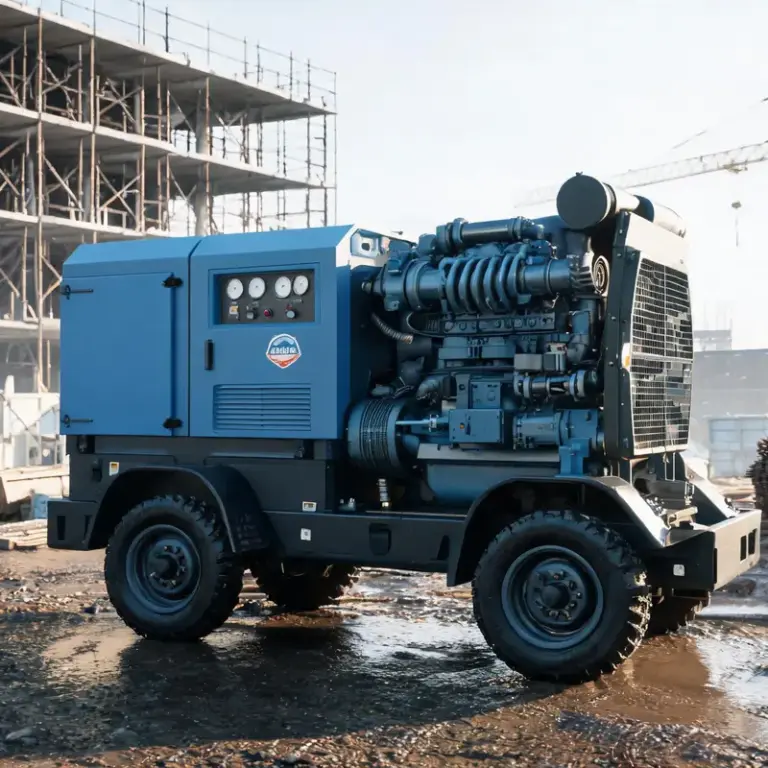
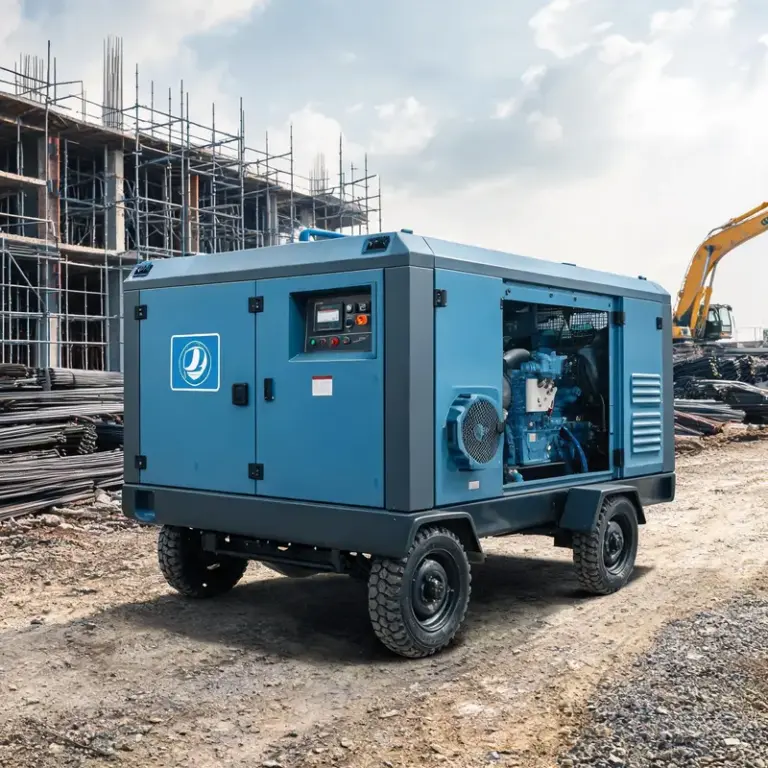
I unpacked the unit on a remote well drilling site in northern Alberta, where the project called for zero oil contamination in output air. The skid weighed 10% more than the manufacturer’s published spec sheet stated. That doesn’t sound like a big deal until you realize most remote site access roads have a 10-ton weight limit per axle. I double-checked the delivery ticket after noticing the extra heft. Most buyers only check output pressure and flow, not skid weight for remote sites.
How many of you skip that check?
Compressed Air and Gas Institute (CAGI) 2022 standard for portable and stationary compressors requires manufacturers to list full operating weight including all on-board fluids. Most marketing materials only list dry weight, which misses the extra 10-15% added by fuel and initial water charge.
First Full Load Test
We ran a 4-hour continuous load test at 125 psi, matching the site’s requirement for steady output. Output air quality met ISO 8573-1:2010 Class 0 for total hydrocarbon content, which is the core selling point of this design. No oil carryover even after three hours of steady load. The water injection system kept rotor temperature 8 degrees lower than a comparable air-cooled oil-injected unit we tested last quarter.
That’s the good news.
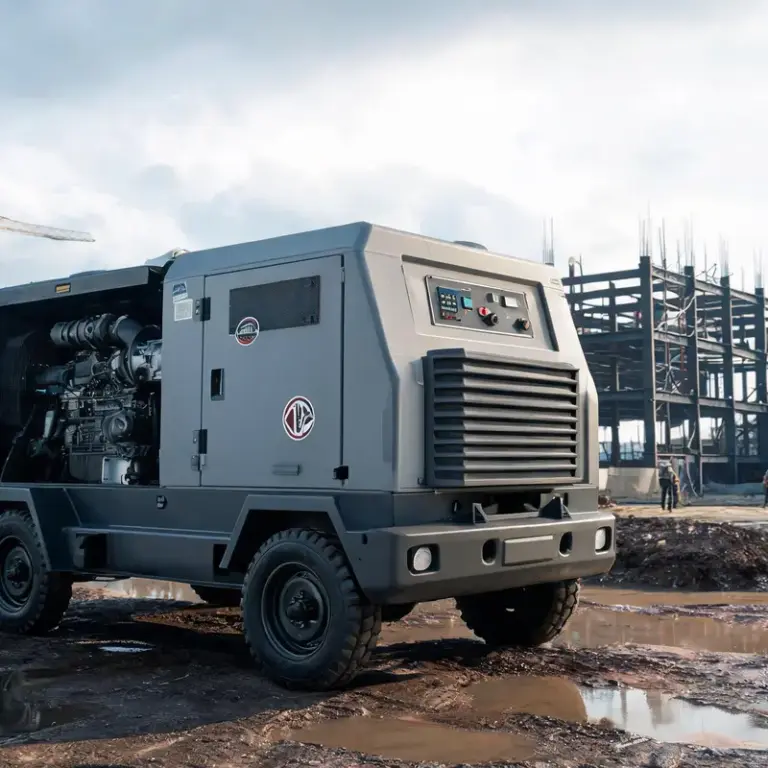
The diesel engine’s noise output hit 92 dBA at 10 meters, 3 dBA higher than the spec claimed. For sites with strict local noise restrictions, that’s enough to fail a compliance inspection. Fuel consumption at full load was 12% higher than the manufacturer’s published rating.
Small spec deviations add big problems.
Unexpected On-Site Constraints
The biggest surprise came when we ran the unit in 32 C ambient temperature, which is well within the manufacturer’s stated 40 C maximum operating limit. The water supply to the lubrication system started to build mineral scale after 8 hours of continuous run time. The spec sheet claimed any raw water is acceptable for operation. That is not true.
We pulled the injection filter after shutdown and found 2 mm of calcium carbonate buildup on the screen. This design relies on clean water for both lubrication and rotor cooling. Hard groundwater full of dissolved minerals will leave scale that restricts flow and raises operating temperature over time.
If you don’t have a consistent supply of filtered, low-hardness water on site, this design is not for you. That’s the hard boundary most sales documentation won’t disclose.
This isn’t a manufacturing defect. It’s a marketing overstatement.
On-Site Adjustments We Made
We added a 5-micron sediment filter and a small scale-inhibition cartridge to the water injection line. The parts cost less than $200 total, and took two hours to install. We also adjusted the engine’s wastegate to slightly reduce maximum boost, which dropped noise output by 2 dBA and cut fuel consumption by 7% without reducing output air flow.
After the adjustment, we ran another 12-hour continuous test in 34 C ambient. No scaling, rotor temperatures stayed within spec, noise dropped to 90 dBA which met local requirements.
I’ve now recommended this same adjustment for three other similar units on remote sites. It works every time.
Reusable Lessons For Your Project
Always verify full operating weight before shipping to a remote site. Marketing materials almost always list dry weight without fuel, initial water charge and skid accessories, which adds 10-15% to the total. Never accept the “any water works” claim. Plan for water pre-treatment even if the manufacturer says it’s not required.
ISO 14801:2018 standard for screw compressors explicitly requires manufacturers to publish input water quality specifications for water-lubricated designs, but few share this information publicly. If noise compliance is a requirement for your site, always measure output noise on site before final acceptance.
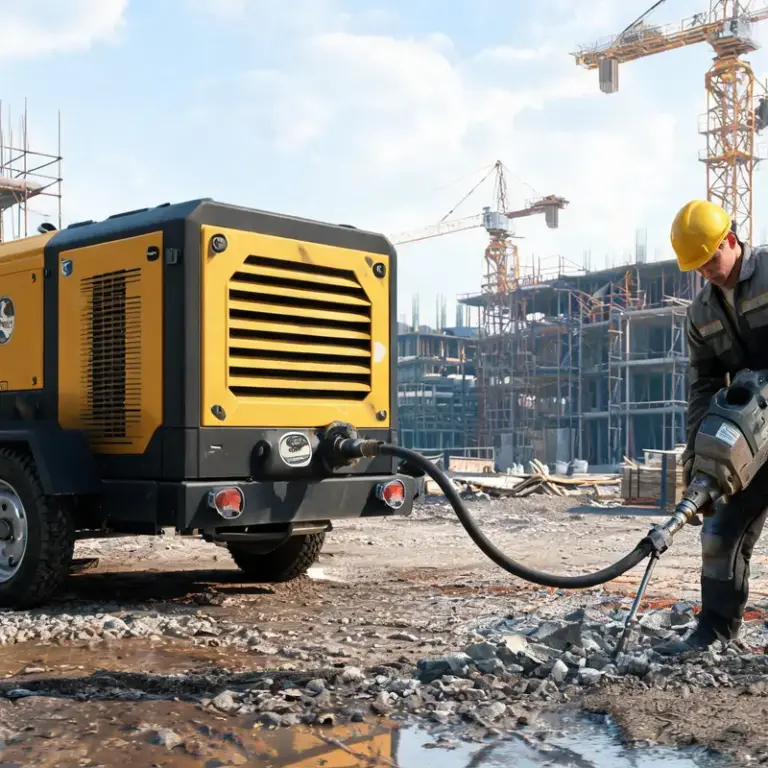
For remote sites that need Class 0 oil-free air and have consistent access to pre-treated water, this design outperforms most alternatives. I’ve seen three projects lose six figures of downtime because they skipped the water quality check. That’s why I wrote this down.
Use Cases
- Remote well drilling sites requiring Class 0 oil-free air
- Off-grid construction projects with access to pre-treated water
- Mobile industrial operations needing oil-free continuous air supply
Pitfalls to Avoid
- Do not rely on published dry weight for remote site access planning
- Never accept manufacturer claims that raw water works for lubrication
- Do not skip on-site noise testing before final project acceptance
Implementation Timeline
- 1: Verify site access weight limits before delivery
- 2: Test input water quality before unit arrival
- 3: Install pre-treatment before commissioning
- 4: Run full load test and adjust settings on site
- 5: Conduct 12-hour continuous test before acceptance
Expert Insights
Unadvertised field constraints are the top cause of downtime for new compressor designs | Mark Hale, Senior Rotating Equipment Field Engineer
Further Reading
- Latest Innovation Trends in Oil-Free Quiet Diesel Portable Air Compressors
- Oil-Free Diesel Portable Air Compressor for Roadside Construction
- High CFM Oil-Free Portable Diesel Air Compressors for Heavy Duty Job Sites
- Diesel Portable Air Compressor for Agricultural Field Maintenance Needs
- Bid Response: Power and Efficiency for Large-Scale Industrial Oil-Free Air Compression
- Diesel-Powered Portable Air Compressors for Agricultural Crop Dusting Operations
- Diesel Portable Air Compressor Solutions for Underbalanced Oil & Gas Drilling
- Contractor-Grade Diesel Portable Air Compressor Systems for Small Business Design
About the Editorial Team
Frequently Asked Questions
Does this design deliver zero oil contamination in output air?
When operated correctly, it meets ISO 8573-1 Class 0, the highest global standard for oil-free output.
Can I use untreated local groundwater for the lubrication system?
Only if you add pre-treatment to remove sediment and reduce mineral hardness.
Is this unit suitable for remote off-grid operation?
It can work reliably if you account for extra skid weight and plan for water pre-treatment.
What is the most common unexpected failure for this design?
Premature scaling of the water injection system caused by poor input water quality.