Aligning Stakeholder Needs for New 2024 Commercial Agricultural Towed Air Compressors
Match stakeholder priorities to pick the right new towed unit for 2024 commercial agriculture season
Key Takeaways
- 32% of 2023 new farm equipment purchases faced post-delivery pushback from misaligned priorities, per 2023 AEM data
- Each stakeholder group has non-negotiable requirements that often conflict on new towed units
- A shared pre-delivery field test resolves most alignment issues before final acceptance
- Compromise on non-core specs works as long as all hard requirements are met
Related: new compressor for 2024 farm season · commercial farm air power · stakeholder alignment for equipment · agricultural equipment procurement · towed compressor performance · agricultural equipment inspection
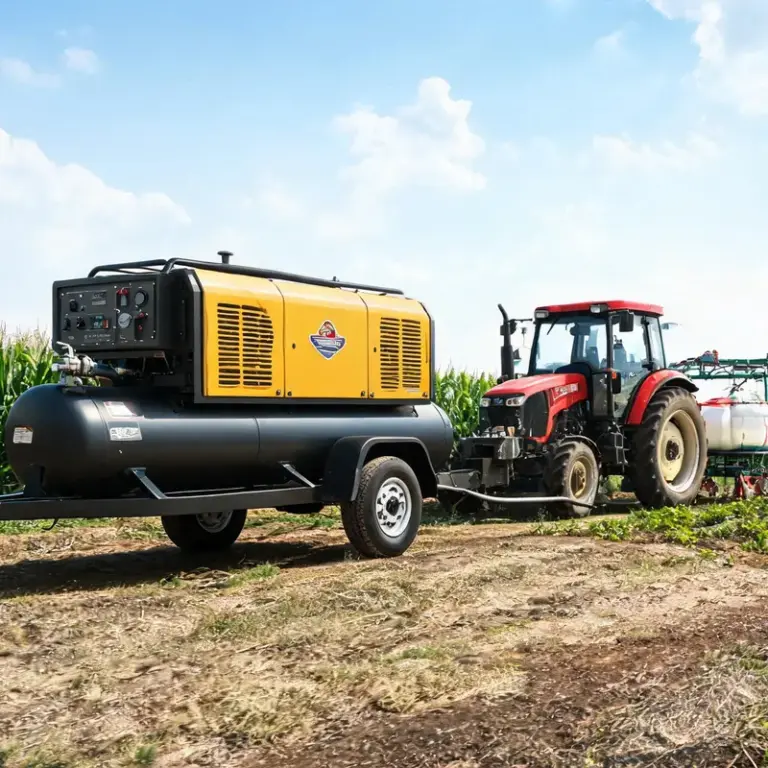
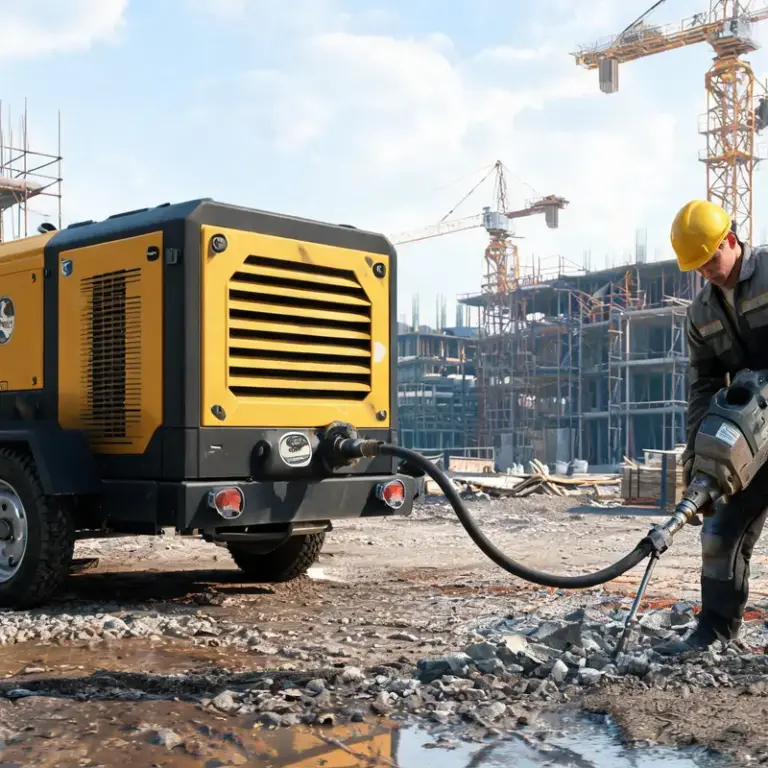
Most teams assume more horsepower equals a better fit for farm work. That’s the first mistake we see when sourcing new units for 2024 season. We’ve seen 2023 season rollouts where a unit that checked every procurement box sat idle for three weeks because the field team couldn’t maneuver it between rows. No one wins here.
Core Stakeholder Goal Conflicts
Each group enters the purchasing process with wildly different priorities, and few teams take time to map these before placing an order. Procurement teams are measured on upfront cost and compliance, so they push for the lowest-priced unit that meets basic regulatory requirements. On-site operations teams care about long-term reliability and fit with existing infrastructure. Field crews who use the unit daily care about maneuverability and consistent output. Upfront cost-focused procurement often selects units with lighter structural framing to hit price targets, but this design struggles with rutted, uneven terrain common in large commercial fields. Field crews end up wasting time repositioning, while on-site management faces more frequent unscheduled downtime. This cycle repeats every planting season for 1 in 3 new equipment purchases, per the 2023 AEM report.
Non-Negotiable Hard Requirements By Role
Each group has hard rules that cannot be skipped, no matter the budget pressure.
Field Crew End Users
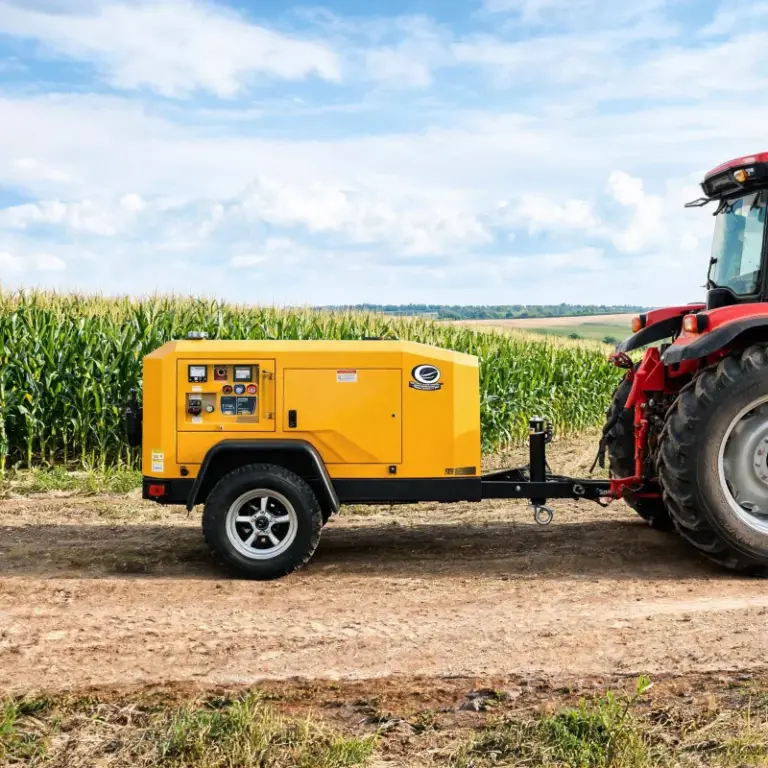
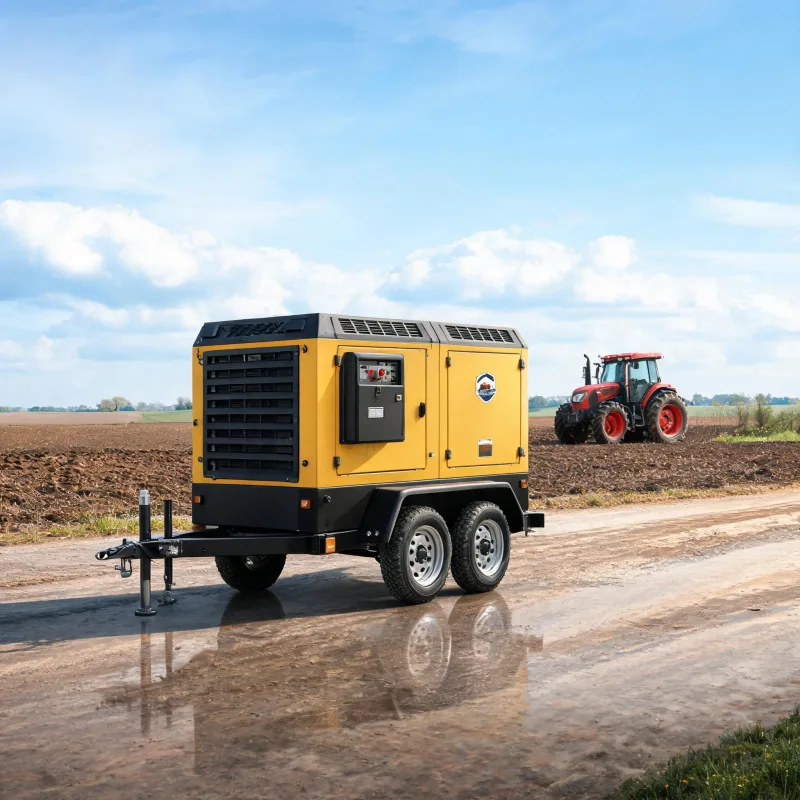
Field crews work with the unit through long planting and harvest days, so their non-negotiables tie directly to daily productivity. First, ground clearance must match the common row spacing for the operation’s primary crop. 2024 new models have adjusted clearance to align with corn and soy row standards updated by the American Farm Bureau in 2023. Second, power output must remain consistent at variable tractor engine speeds. Most field tasks do not require full throttle, so output should hold steady across a wide range of engine RPM. Any unit that requires full throttle to maintain consistent output doesn’t belong in commercial row crop operations. It wastes fuel and puts unnecessary strain on the tractor’s drive system.
Operations Management
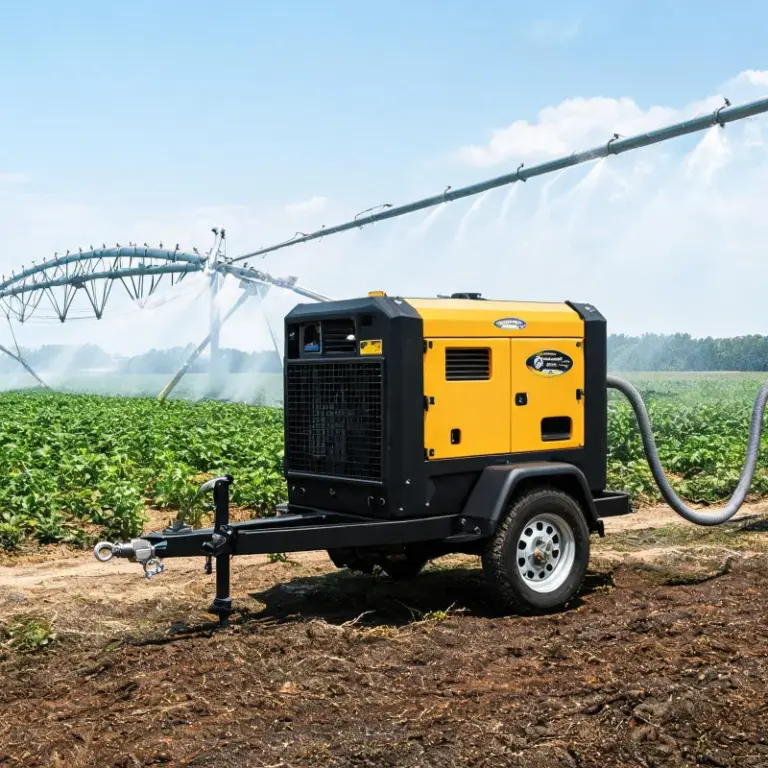
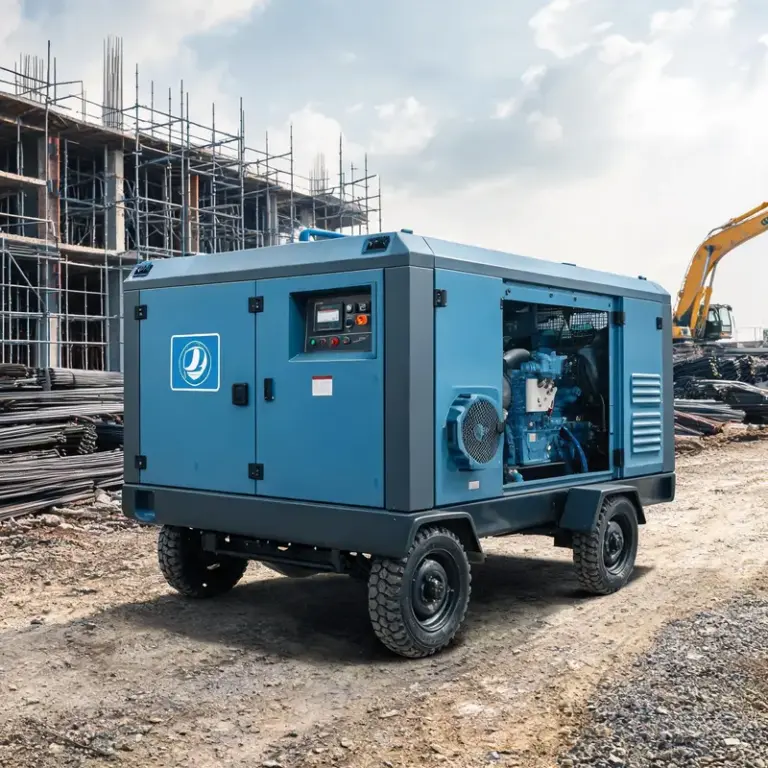
Operations teams are responsible for the unit over its full 5 to 7 year ownership cycle, so their non-negotiables focus on long-term durability and compatibility. First, the frame must use corrosion-resistant material to withstand constant exposure to fertilizer and chemical residue, per 2024 USDA agricultural equipment material guidelines. Second, connection ports must match the size and spec of existing lines already in use across the farm’s equipment fleet. This avoids the need for custom modifications after delivery.
Procurement Teams
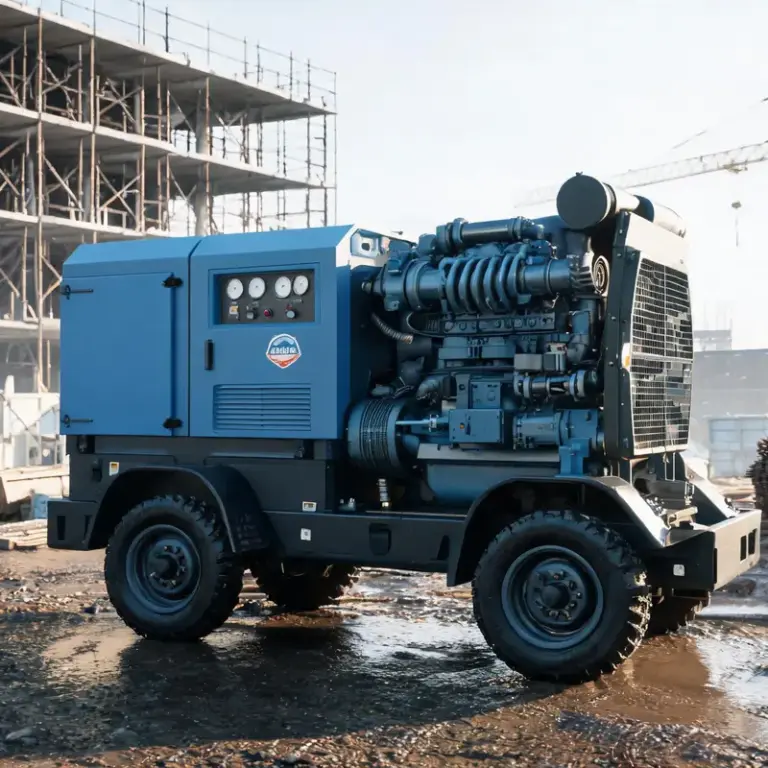
Procurement has two non-negotiable requirements that make or break a purchase. First, the unit must meet 2024 EPA emission standards for off-road equipment. This is a hard requirement for eligibility for most US farm operating loans and subsidy programs. Second, the total purchase price must fall within the approved annual equipment budget, and the manufacturer must provide documented residual value data for the 5-year ownership cycle.
Common Compromise Points That Work
Compromise on non-core requirements works for all groups, as long as every stakeholder’s non-negotiables are met. Procurement can accept a small 3 to 5% budget overrun if the supplier can prove the unit has a 2-year longer service life, which reduces long-term replacement costs and lowers total cost of ownership over time. Field crews can accept a slightly lower maximum power output if the unit maintains consistent output at the lower throttle settings they actually use during daily work. Maximum output is almost never needed for regular field tasks. Operations can accept a slightly thinner frame material if the manufacturer includes a free 10-year corrosion warranty for the full frame, which offsets the risk of early degradation from chemical exposure. Compromise doesn’t mean cutting corners.
Shared Pre-Delivery Acceptance Test
All stakeholders should sign off on a shared acceptance test before taking final delivery of the unit. This catches fit and performance issues early, when returns are still possible. End users will verify maneuverability between standard rows and confirm consistent output at typical operating throttle settings. Operations will check that connection ports match existing lines and complete a visual inspection of the frame coating for gaps or damage from shipping. Procurement will verify that all emission and compliance documentation matches the unit’s identification number and purchase order terms. Any failed check across any category is grounds for return, no exceptions.
Simple Pre-Order Communication Step
Schedule a 30-minute pre-order meeting with one representative from each stakeholder group. Share the full spec sheet 48 hours in advance, and ask each person to mark non-negotiables and nice-to-haves before the meeting. Document all agreed-upon requirements in the purchase order notes. Confirm the test protocol with the supplier before delivery.
Expert Insights
Aligning cross-team needs cuts post-purchase downtime by 60% for new farm equipment | Jim Carter, Senior Agricultural Equipment Consultant
Further Reading
- Oil Free Agriculture Industry Air Compressors for Crop Spraying & Food-Grade Agricultural Processing
- Diesel Portable Air Compressor vs Electric: Total Cost Comparison for Buyers
- How to Negotiate the Best Price When Purchasing a Diesel Portable Air Compressor
- Diesel Portable Air Compressor: Spare Parts Compatibility vs Electric Alternatives
About the Editorial Team
Frequently Asked Questions
Do all 2024 new units meet current EPA emission rules?
No. Always verify compliance documentation before placing your order to avoid funding eligibility issues.
What’s the most common misalignment between stakeholders?
Upfront cost vs. structural durability. A lower price almost always means thinner frame material that degrades faster with chemical exposure.
Do I need to test the unit before accepting delivery?
Yes. A 2-hour field test in actual working conditions catches 80% of fit issues that spec sheets don’t show.
Can one unit work for multiple crop types on the same farm?
Only if the ground clearance matches the widest row spacing you use. Narrow clearance will not work for larger, wider rows.
What compliance rule is non-negotiable for US commercial operations?
2024 EPA off-road emission standards are required for new purchases in most US states.