Why Agricultural Tow Behind Air Compressors Vary In Price: Field Engineer Notes
Power output, build material, regulatory compliance, and support are the top price drivers for these units.
Key Takeaways
- Corrosion-resistant coatings and certified pressure vessels add 15-30% to base price
- Extra output capacity for multiple implements adds thousands in unnecessary cost if unused
- Local parts availability avoids downtime costs not listed in initial quotes
- Uncertified units are often not covered by standard farm insurance policies
Related: farm equipment pricing · agricultural compressor cost · budget for farm compressor · mobile air compressor · agricultural equipment cost
What Did We See When Comparing Initial Quotes?
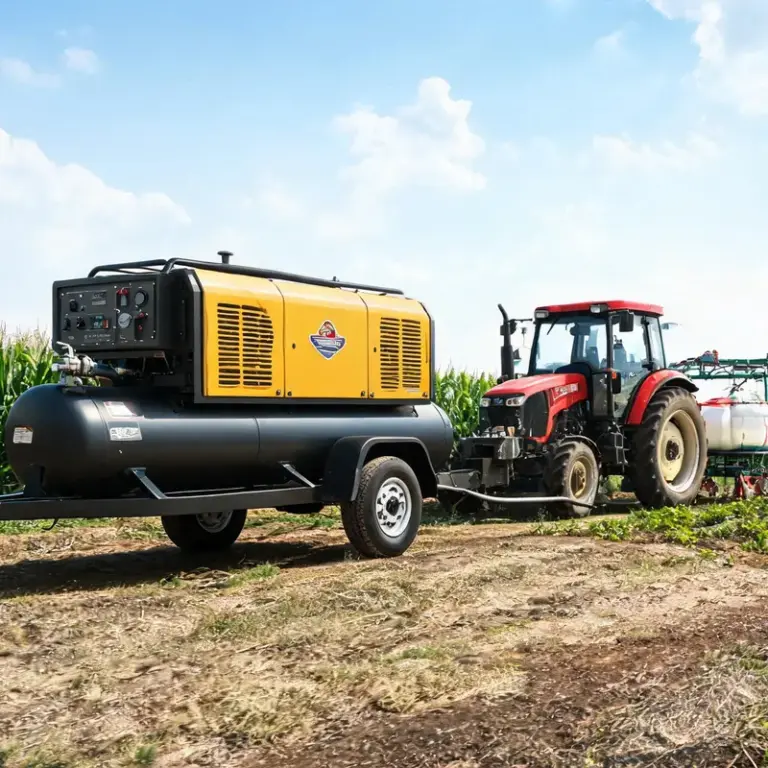
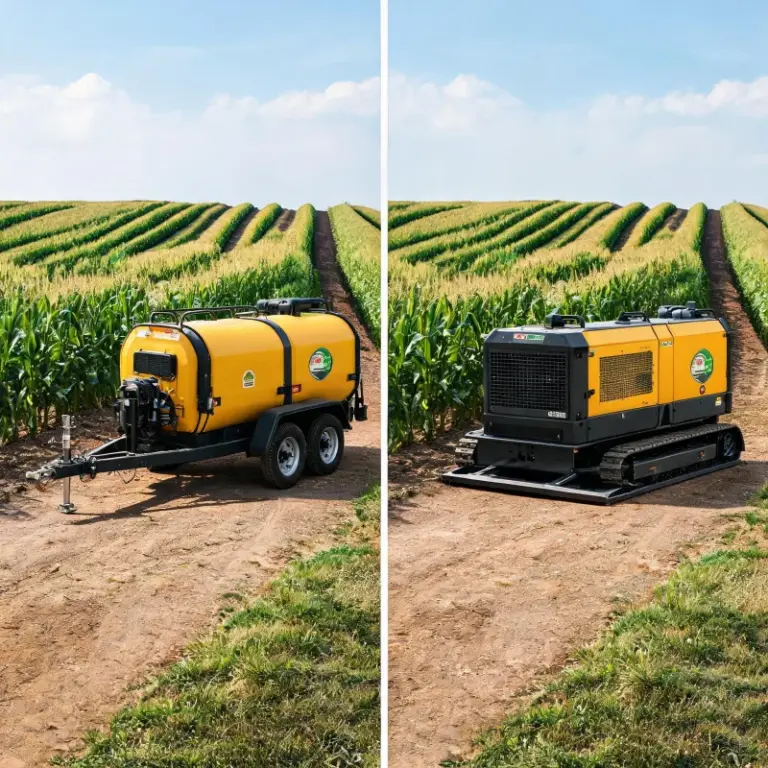
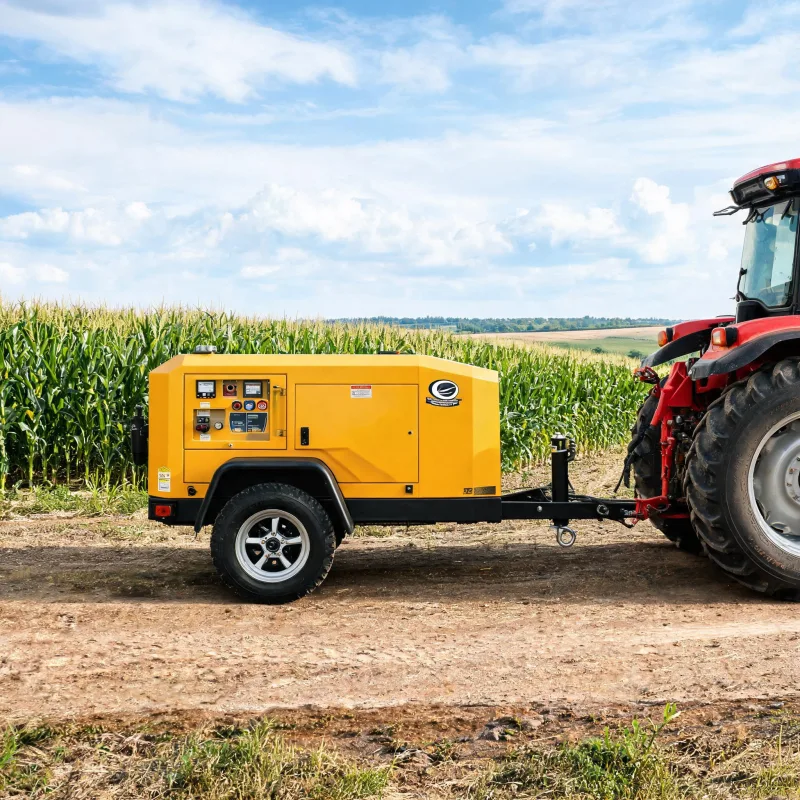
We laid all three proposals out on a farm workshop table to sort through. The lowest quote came in at just under $7,500, while the top was nearly $24,000. No one on the farm management team could spot an obvious difference at first glance. All three listings said they fit standard agricultural towing hitches, and all claimed to deliver enough air for the operation’s sprayer and seeder tools.
I’ve seen this gap dozens of times. Most buyers start by looking at the advertised airflow number, but that’s rarely where the real price difference comes from.
What Did The Test Run Uncover Hidden Differences?
We hooked each unit up to the site’s 100-foot air line to run the seeder for a full hour. The lowest-priced unit couldn’t maintain consistent pressure through the full run—its tank was 30% smaller than implied on the spec sheet, and the frame flexed enough when moving across uneven terrain to loosen a fitting mid-test.
The mid-priced unit held pressure, but its power take-off connection didn’t match the farm’s existing tractor. The highest-priced unit ran without a hitch, but came with a 10-year warranty that the farm didn’t think it needed.
That’s when we started breaking down the individual factors that add up to the final price tag.
What Unexpected Constraints Push Price Up?
Most don’t account for agricultural-specific build requirements upfront. A 2023 report from the Equipment Dealer Association notes that units built for farm use need corrosion-resistant coatings to stand up to fertilizer and chemical exposure, which adds 12-18% to base cost. That low-priced unit used standard paint, not the UV and chemical resistant coating required for constant outdoor storage.
Regulatory requirements also add cost. Units that meet OSHA 2022 pressure vessel standards for agricultural equipment have thicker tank walls and certified pressure relief valves, which adds another 8-15% to the total. Uncertified units skip this step to cut cost, but most farm insurance policies won’t cover damage from an uncertified pressure vessel failure.
Don’t assume a higher price always means better fit for your operation. We found the highest-priced unit had extra capacity for non-agricultural work that the farm would never use, and that added nearly $6,000 in unnecessary cost.
What Adjustments Cut Unnecessary Cost Without Risk?
We went back to the mid-priced supplier and asked to remove the unused high-capacity engine option, and add the certified pressure vessel and corrosion coating that was missing from the base model. The adjusted quote came in at $12,200, which fit the farm’s $10-15k budget and met all their requirements.
We also checked the contract for spare parts availability. The low-priced supplier didn’t stock any replacement parts locally, so a broken valve would mean two weeks of downtime during planting season. That’s a hidden cost that never shows up in the initial quote. The 2023 AFBF guidelines recommend confirming local parts availability before signing any contract, which we added to the terms.
What Reusable Lessons Can Other Farm Buyers Apply?
The biggest takeaway is that price variation doesn’t come from brand markup alone—it comes from hidden agricultural-specific requirements that most generic listings don’t spell out. You can cut thousands from your budget by stripping out features meant for other industries that you’ll never use.
I’ve yet to see a one-size-fits-all price for these units. The right price is the one that meets your specific operating requirements and regulatory rules, no more and no less.
Use Cases
- Powering agricultural seeders
- Running field sprayer systems
- Powering light tasks on mixed-use farms
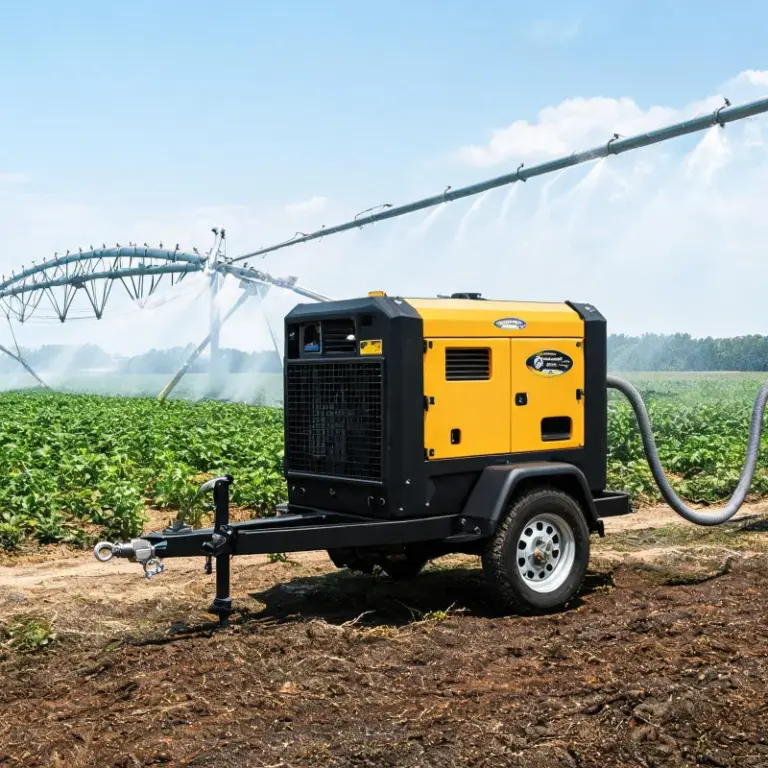
- Powering farm irrigation valve actuation
Pitfalls to Avoid
- Don’t rely on advertised peak output to compare unit prices
- Don’t buy an uncertified pressure vessel to cut initial cost
- Don’t pay for extra output capacity you will never use
- Don’t skip checking local parts availability before signing
Expert Insights
Price gaps almost always come from unlisted agricultural-specific requirements, not brand markup | Jim Hale, Senior Field Equipment Engineer
Further Reading
- Training Brief: Budgeting for Agricultural Tow Behind Air Compressors
- Training Brief: Deploying Towed Air Compressors for Mobile Farm Spraying
- Why Your Trailed Air Compressor Loses Pressure On The Farm: Common Myths Debunked
- Full Lifecycle Cost Breakdown for Mobile Diesel Compressors in Agricultural Post-Harvest Cleaning
- How to Negotiate the Best Price When Purchasing a Diesel Portable Air Compressor
- Diesel Portable Air Compressor vs Gas for Agricultural Use: A Practical Comparison
- Pricing Guide: 185 CFM Oil-Free Diesel Portable Air Compressors
- Aligning Stakeholder Needs When Sourcing Mobile Diesel Air Compressors for Large Commercial Farms
About the Editorial Team
Frequently Asked Questions
What is the biggest hidden cost driver most buyers miss?
Agricultural-specific corrosion protection and certified pressure vessel compliance add 15-30% to base cost, which most cheap uncertified units cut to lower their quote.
Can I save money by skipping extra power capacity I don’t need?
Yes. Most manufacturers price units by maximum output, so you can cut thousands by matching output exactly to the number of implements you run at once.
Do established brands always add unnecessary markup to the final price?
No. Established brands usually include local parts stocking and valid certification that cut long-term downtime risk, which offsets the small markup for most operations.
Why do quotes for the same advertised output vary so much?
Advertised output is often peak output, not continuous operating output. Units rated for continuous operation use stronger components that cost more up front.
Does farm insurance affect required pricing for these units?
Yes. Most policies require pressure vessels to meet current OSHA standards, so uncertified cheap units are usually not insurable, adding hidden liability cost.